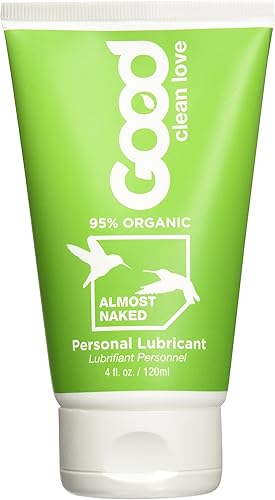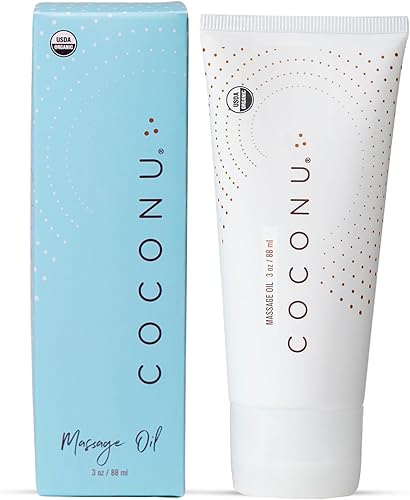

Yes, certain lubricants can negatively affect fertility. Multiple peer-reviewed studies have shown that many common personal lubricants can impair sperm motility, viability, and DNA integrity in laboratory settings. However, this does not mean all lubricants are harmful to fertility. The key is knowing which products to choose and which to avoid when you are trying to conceive.
How Lubricants Can Affect Sperm
Research published in Fertility and Sterility found that several popular lubricant brands significantly reduced sperm motility in vitro. The primary mechanisms involve osmolality and pH. Most commercial lubricants have a pH between 3.8 and 4.5 to match the vaginal environment, but sperm thrive in a pH of 7.0 to 8.5 (the natural pH of semen). When sperm encounter an acidic lubricant, their motility and survival can drop substantially. High-osmolality formulas can also damage sperm cells through osmotic stress, essentially dehydrating them on contact.
Which Lubricants Are Fertility-Friendly?
Fertility-friendly lubricants are specifically formulated with a higher pH (around 7.0) and an osmolality that does not damage sperm. These products have been tested in laboratory settings to confirm they do not impair sperm function. Look for products labeled as fertility-friendly or conception-compatible and check that they have been cleared by the FDA for use during conception. Hydroxyethylcellulose-based lubricants and certain organic aloe-based formulas tend to be gentler on sperm than glycerin-heavy or silicone-based alternatives.
What to Avoid When Trying to Conceive
- 1Spermicides or nonoxynol-9, which are designed to kill sperm
- 2Silicone-based lubricants, which can create a barrier that impedes sperm transport
- 3Oil-based lubricants, which may coat sperm and reduce motility
- 4Products with high glycerin content, which can have high osmolality
- 5Any lubricant not specifically tested for sperm compatibility
Practical Advice for Couples
If you need lubrication while trying to conceive, use a fertility-friendly product applied in small amounts. Some couples also use pre-seed-style lubricants that are applied internally before intercourse to mimic fertile cervical mucus. Keep in mind that saliva is not a good substitute because research shows it can also reduce sperm motility. If you have been trying to conceive for more than a year without success (or six months if you are over 35), consult a fertility specialist who can provide personalized guidance.
Key Takeaway
Many standard lubricants can impair sperm motility due to their pH and osmolality. If you are trying to conceive, switch to a fertility-friendly lubricant that has been tested for sperm compatibility. Avoid silicone-based, oil-based, and high-glycerin products during your fertile window.
Medical Disclaimer
The information provided in this article is for educational and informational purposes only and is not intended as medical advice. This content does not replace professional medical consultation, diagnosis, or treatment. Always seek the advice of your physician, obstetrician, midwife, or other qualified healthcare provider with any questions you may have regarding a medical condition, pregnancy, or treatment. Never disregard professional medical advice or delay in seeking it because of something you have read on this website. If you think you may have a medical emergency, call your doctor or 911 immediately. AdultLube.com does not recommend or endorse any specific tests, physicians, products, procedures, opinions, or other information that may be mentioned in this article. Reliance on any information provided by this article is solely at your own risk.
Legal Disclaimer
This article may contain affiliate links to products on Amazon.com. As an Amazon Associate, AdultLube.com earns from qualifying purchases made through these links at no additional cost to you. The inclusion of any product recommendations does not constitute a medical endorsement. Individual results and experiences may vary. The statements made in this article have not been evaluated by the Food and Drug Administration (FDA). Products mentioned are not intended to diagnose, treat, cure, or prevent any disease or medical condition. All product claims and recommendations are based on publicly available research, manufacturer information, and user reviews. AdultLube.com assumes no liability for actions taken based on the information in this article. Laws and medical guidelines may vary by jurisdiction. Consult with a licensed healthcare professional in your area for personalized advice.