
Pregnancy brings a whirlwind of changes to your body — some expected, some surprising. One change that many women don't anticipate is vaginal dryness. While pregnancy is often associated with increased discharge and moisture, a significant number of expecting mothers experience the opposite, especially during certain trimesters. If you're dealing with this, know that you're not alone, and there are safe, effective solutions available.
Why Does Vaginal Dryness Happen During Pregnancy?
Vaginal moisture is primarily regulated by estrogen levels. During pregnancy, your hormones go through dramatic fluctuations that can affect every part of your body, including intimate moisture levels.
Hormonal Fluctuations
While estrogen levels generally rise during pregnancy, the ratio between estrogen and progesterone shifts significantly. Progesterone dominates during the first trimester, which can reduce vaginal secretions. Some women experience continued dryness throughout their pregnancy, particularly if they had lower baseline estrogen levels before conceiving. According to the American College of Obstetricians and Gynecologists (ACOG), hormonal changes during pregnancy can affect vaginal tissue and moisture production in unpredictable ways.
Increased Blood Volume & Tissue Changes
Your blood volume increases by approximately 45% during pregnancy. While this increased circulation often leads to more discharge, the changing composition of vaginal secretions can actually make tissues feel drier or more sensitive. The vaginal pH also shifts during pregnancy, which can affect the natural lubrication mechanism and make the tissue more susceptible to irritation.
Dehydration & Lifestyle Factors
Pregnant women need significantly more water — the Institute of Medicine recommends about 10 cups (2.3 liters) of fluids daily during pregnancy. Morning sickness, increased urination, and simply forgetting to drink enough water can all contribute to systemic dehydration, which directly affects vaginal moisture. Certain prenatal vitamins, antihistamines, and other medications can also contribute to dryness.
Which Trimester Is Most Affected?
Vaginal dryness is most commonly reported during the first trimester when progesterone levels are highest relative to estrogen. However, some women experience it throughout pregnancy, and it can also occur postpartum during breastfeeding due to suppressed estrogen levels. Every body responds differently to the hormonal changes of pregnancy.

Safe Relief Options During Pregnancy
The good news is that there are many safe ways to address vaginal dryness during pregnancy. Here are options that healthcare providers generally consider safe for expecting mothers:
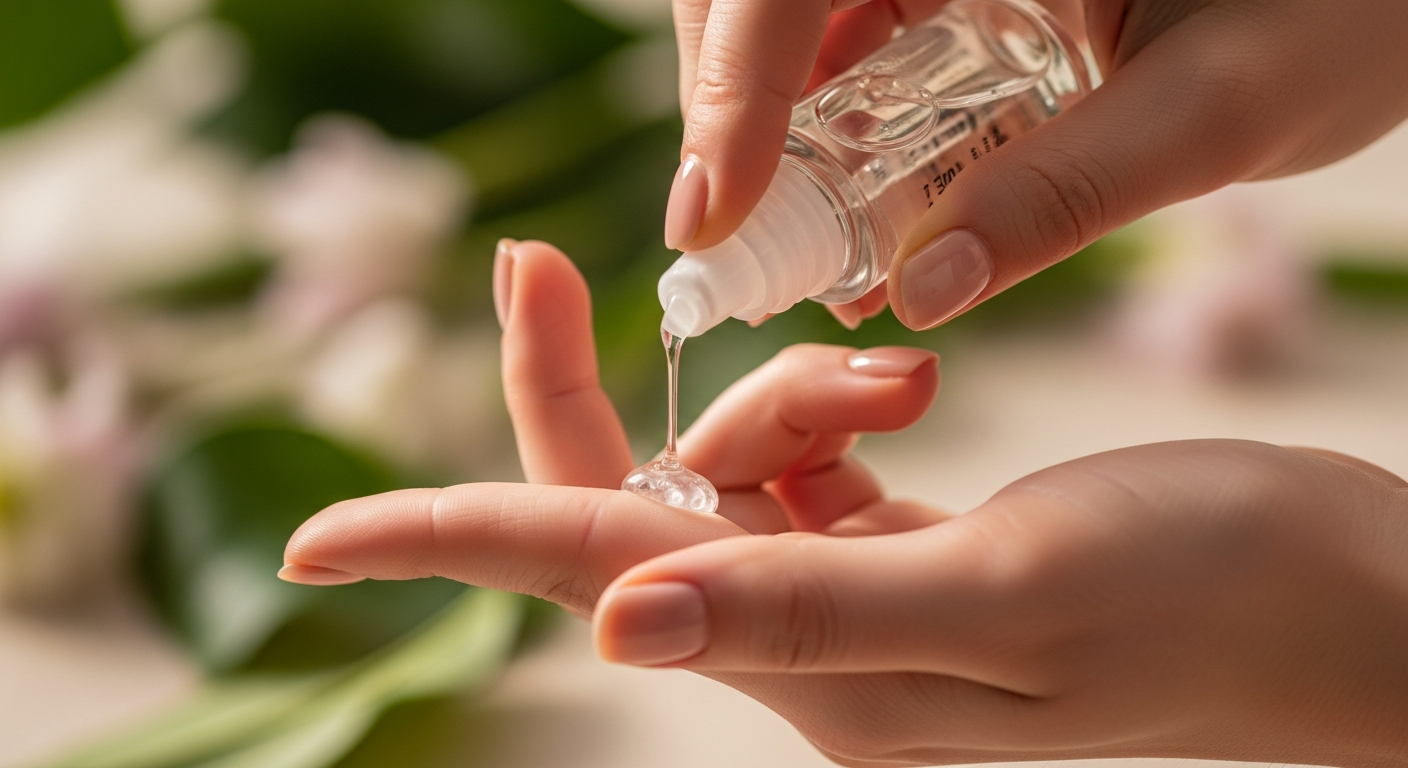
- 1Water-based lubricants — These are generally considered the safest option during pregnancy. Look for formulas that are free from glycerin, parabens, fragrances, and warming/cooling agents. Products with a pH between 3.8 and 4.5 are ideal, as they match the natural vaginal environment.
- 2Organic and natural lubricants — Formulas made with organic aloe vera, plant-based ingredients, and minimal additives are excellent choices during pregnancy. Always check ingredient lists and consult your provider.
- 3Hyaluronic acid-based moisturizers — These provide deep, long-lasting hydration without hormones. Hyaluronic acid is a substance naturally produced by your body and is generally considered safe during pregnancy.
- 4Stay well-hydrated — Drinking adequate water throughout the day supports all mucous membranes, including vaginal tissue. Aim for at least 10 cups of fluid daily.
- 5Avoid irritants — Switch to fragrance-free soaps, skip douching entirely, wear cotton underwear, and avoid tight-fitting synthetic clothing that can worsen dryness and irritation.
- 6Longer foreplay and arousal time — Your body may need more time to produce natural lubrication during pregnancy. Communication with your partner about pacing can make a significant difference.
What to Avoid During Pregnancy
Not all lubricants and remedies are appropriate during pregnancy. As a general guideline, avoid products containing petroleum-based ingredients, spermicides, hormonal compounds, or unknown herbal extracts unless cleared by your healthcare provider. Oil-based lubricants should be used with caution as they can increase the risk of bacterial infections. Always read labels carefully and when in doubt, ask your doctor or midwife before trying any new product.
When to Talk to Your Healthcare Provider
While vaginal dryness during pregnancy is usually harmless, it's important to speak with your healthcare provider if you experience dryness accompanied by itching, burning, unusual discharge, or odor — as these could indicate an infection that needs treatment. Your OB/GYN or midwife can help rule out conditions like yeast infections, bacterial vaginosis, or other concerns and recommend specific products that are safe for your individual situation.
Key Takeaway
Vaginal dryness during pregnancy is a common, normal experience caused by hormonal fluctuations. Water-based, fragrance-free lubricants are generally considered the safest option for relief. Always consult your healthcare provider before starting any new product during pregnancy, and don't hesitate to bring up intimate health concerns at your prenatal appointments — your care team has heard it all and is there to help.
Medical Disclaimer
The information provided in this article is for educational and informational purposes only and is not intended as medical advice. This content does not replace professional medical consultation, diagnosis, or treatment. Always seek the advice of your physician, obstetrician, midwife, or other qualified healthcare provider with any questions you may have regarding a medical condition, pregnancy, or treatment. Never disregard professional medical advice or delay in seeking it because of something you have read on this website. If you think you may have a medical emergency, call your doctor or 911 immediately. AdultLube.com does not recommend or endorse any specific tests, physicians, products, procedures, opinions, or other information that may be mentioned in this article. Reliance on any information provided by this article is solely at your own risk.
Legal Disclaimer
This article may contain affiliate links to products on Amazon.com. As an Amazon Associate, AdultLube.com earns from qualifying purchases made through these links at no additional cost to you. The inclusion of any product recommendations does not constitute a medical endorsement. Individual results and experiences may vary. The statements made in this article have not been evaluated by the Food and Drug Administration (FDA). Products mentioned are not intended to diagnose, treat, cure, or prevent any disease or medical condition. All product claims and recommendations are based on publicly available research, manufacturer information, and user reviews. AdultLube.com assumes no liability for actions taken based on the information in this article. Laws and medical guidelines may vary by jurisdiction. Consult with a licensed healthcare professional in your area for personalized advice.