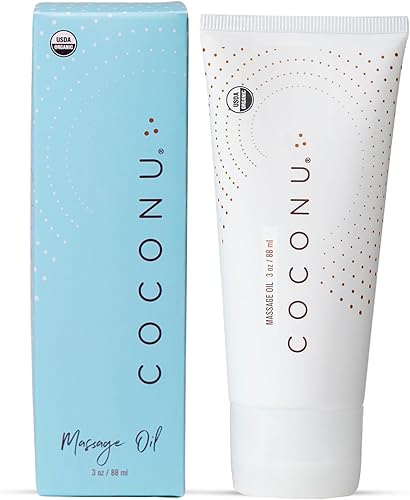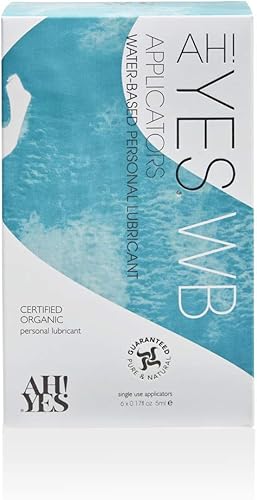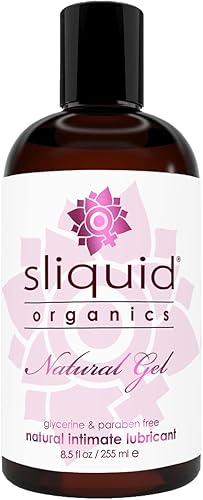

It depends on what you mean by better. Organic lubricants are not inherently safer or more effective than well-formulated conventional alternatives. However, they do offer some genuine advantages for certain people. The organic label guarantees that ingredients are grown without synthetic pesticides or fertilizers and are not genetically modified, but it does not automatically make a product gentler, more effective, or better for your body. What matters most is the specific formula, the pH, the osmolality, and the absence of known irritants, regardless of whether the ingredients are organic or conventional.
What Organic Actually Means
When a lubricant is labeled organic, it means a percentage of its ingredients come from certified organic agriculture. USDA Organic certification requires at least 95% organic ingredients. Products labeled made with organic ingredients need at least 70%. However, the organic certification process was designed for food products and does not specifically evaluate safety for intimate use. An organic lubricant can still have a problematic pH, high osmolality, or include organic-certified ingredients that cause irritation in some people. The certification tells you about the sourcing, not about the intimate compatibility of the formula.
Genuine Advantages of Organic Lubricants
- 1Shorter ingredient lists with recognizable, plant-based components that are easier to evaluate
- 2No synthetic preservatives like parabens, which some people prefer to avoid despite ongoing scientific debate about their safety
- 3Environmental benefits from organic farming practices, including reduced pesticide use and soil health
- 4Lower likelihood of containing petroleum-derived ingredients, synthetic fragrances, or artificial dyes
- 5Many organic brands are also cruelty-free, vegan, and use sustainable packaging
Where Conventional Lubricants Can Be Equal or Better
A well-formulated conventional lubricant that is glycerin-free, paraben-free, pH-balanced, and has appropriate osmolality can be just as safe and gentle as an organic alternative. Some conventional formulas use medical-grade or pharmaceutical-grade ingredients that undergo rigorous purity testing that exceeds organic standards. Silicone-based lubricants, which cannot be organic by definition, are often the gentlest option for people with sensitive skin because medical-grade silicone is completely inert and hypoallergenic. The best conventional lubricants meet or exceed WHO guidelines for osmolality and pH, which are arguably more important for intimate health than organic certification.
How to Decide What Is Right for You
Choose organic if you prioritize environmental sustainability, prefer plant-based ingredients, want to minimize exposure to synthetic chemicals across all your products, or simply feel more comfortable with recognizable ingredient lists. Choose based on formula quality rather than organic status if your primary concern is intimate health and compatibility, especially if you have sensitive skin or are prone to infections. The best approach is to read the full ingredient list, check the pH and osmolality if available, and look for the absence of known irritants regardless of whether the product carries an organic label.
Key Takeaway
Organic lubricants offer shorter ingredient lists and environmental benefits, but they are not automatically safer or more effective than well-formulated conventional options. Focus on pH balance, osmolality, and the absence of irritants like glycerin, parabens, and fragrances. The best lubricant is one that works well with your body, organic or not.
Medical Disclaimer
The information provided in this article is for educational and informational purposes only and is not intended as medical advice. This content does not replace professional medical consultation, diagnosis, or treatment. Always seek the advice of your physician, obstetrician, midwife, or other qualified healthcare provider with any questions you may have regarding a medical condition, pregnancy, or treatment. Never disregard professional medical advice or delay in seeking it because of something you have read on this website. If you think you may have a medical emergency, call your doctor or 911 immediately. AdultLube.com does not recommend or endorse any specific tests, physicians, products, procedures, opinions, or other information that may be mentioned in this article. Reliance on any information provided by this article is solely at your own risk.
Legal Disclaimer
This article may contain affiliate links to products on Amazon.com. As an Amazon Associate, AdultLube.com earns from qualifying purchases made through these links at no additional cost to you. The inclusion of any product recommendations does not constitute a medical endorsement. Individual results and experiences may vary. The statements made in this article have not been evaluated by the Food and Drug Administration (FDA). Products mentioned are not intended to diagnose, treat, cure, or prevent any disease or medical condition. All product claims and recommendations are based on publicly available research, manufacturer information, and user reviews. AdultLube.com assumes no liability for actions taken based on the information in this article. Laws and medical guidelines may vary by jurisdiction. Consult with a licensed healthcare professional in your area for personalized advice.