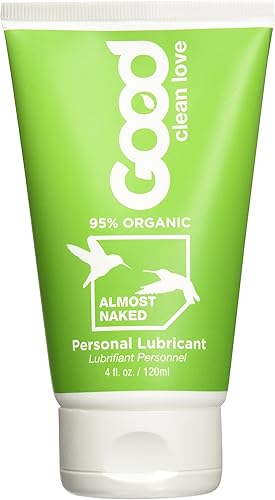
Yes, lubricant can affect the vaginal microbiome, and research increasingly shows this is an important consideration when choosing a product. The vaginal microbiome is a delicate ecosystem dominated by Lactobacillus bacteria, which produce lactic acid to maintain an acidic pH between 3.8 and 4.5. This acidic environment protects against infections, including bacterial vaginosis, yeast infections, and UTIs. When a lubricant disrupts this ecosystem, it can have cascading effects on vaginal health.
How Lubricants Can Disrupt the Microbiome
The two most critical factors are pH and osmolality. A lubricant with a pH significantly higher than the vaginal range (above 4.5) can temporarily shift the vaginal environment toward a more alkaline state, which favors the growth of harmful bacteria over protective Lactobacillus. Osmolality, which measures the concentration of dissolved particles, is equally important. The World Health Organization recommends that personal lubricants have an osmolality below 1200 mOsm/kg. Many commercial lubricants far exceed this threshold, with some testing above 6000 mOsm/kg. High-osmolality products draw water out of epithelial cells through osmosis, damaging the vaginal lining and disrupting the microbiome.
Specific Ingredients That Affect Vaginal Flora
- 1Glycerin feeds yeast (Candida species) and can promote yeast overgrowth, particularly with frequent use
- 2Chlorhexidine gluconate is an antimicrobial that kills bacteria indiscriminately, including protective Lactobacillus
- 3Nonoxynol-9 damages epithelial cells and disrupts the mucosal barrier, significantly increasing infection risk
- 4Parabens have been shown in some studies to have mild antimicrobial effects that may affect vaginal flora balance
- 5Propylene glycol in high concentrations can be cytotoxic to vaginal epithelial cells

What the Research Shows
A study published in PLOS ONE found that women who used lubricants containing glycerin and propylene glycol had a higher incidence of bacterial vaginosis compared to those who used lubricants without these ingredients. Research from Johns Hopkins University demonstrated that high-osmolality lubricants caused significant epithelial cell damage and increased susceptibility to sexually transmitted infections in laboratory models. The WHO's 2012 advisory note on lubricants specifically addressed these concerns, recommending that manufacturers reformulate products to meet lower osmolality standards.
Choosing a Microbiome-Friendly Lubricant
To protect your vaginal microbiome, choose a lubricant with a pH between 3.8 and 4.5, osmolality below 1200 mOsm/kg (ideally below 380 mOsm/kg to match vaginal fluid), no glycerin or glycerol, no parabens or chlorhexidine, and no fragrances or dyes. Bio-matched formulas that are specifically designed to mimic the composition of natural vaginal fluid are the gold standard for microbiome support. Some products even contain lactic acid or prebiotics to actively support Lactobacillus growth. Organic aloe-based lubricants with minimal ingredients also tend to be gentle on the microbiome.
Key Takeaway
Lubricant can affect the vaginal microbiome through its pH, osmolality, and specific ingredients. Choose a formula with a pH of 3.8 to 4.5, osmolality under 1200 mOsm/kg, and free from glycerin, parabens, and chlorhexidine to support healthy vaginal flora. Bio-matched and organic formulas with minimal ingredients are your safest options.
Medical Disclaimer
The information provided in this article is for educational and informational purposes only and is not intended as medical advice. This content does not replace professional medical consultation, diagnosis, or treatment. Always seek the advice of your physician, obstetrician, midwife, or other qualified healthcare provider with any questions you may have regarding a medical condition, pregnancy, or treatment. Never disregard professional medical advice or delay in seeking it because of something you have read on this website. If you think you may have a medical emergency, call your doctor or 911 immediately. AdultLube.com does not recommend or endorse any specific tests, physicians, products, procedures, opinions, or other information that may be mentioned in this article. Reliance on any information provided by this article is solely at your own risk.
Legal Disclaimer
This article may contain affiliate links to products on Amazon.com. As an Amazon Associate, AdultLube.com earns from qualifying purchases made through these links at no additional cost to you. The inclusion of any product recommendations does not constitute a medical endorsement. Individual results and experiences may vary. The statements made in this article have not been evaluated by the Food and Drug Administration (FDA). Products mentioned are not intended to diagnose, treat, cure, or prevent any disease or medical condition. All product claims and recommendations are based on publicly available research, manufacturer information, and user reviews. AdultLube.com assumes no liability for actions taken based on the information in this article. Laws and medical guidelines may vary by jurisdiction. Consult with a licensed healthcare professional in your area for personalized advice.