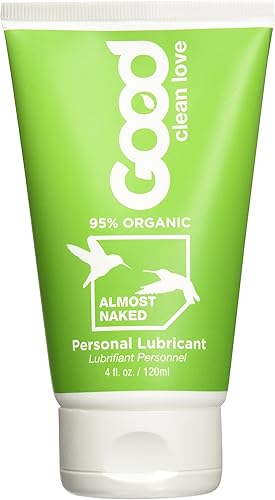
If you've ever felt even a flicker of embarrassment about needing lubricant, let's put that to rest right now. Needing lube is normal. Wanting lube is normal. Using lube whether you technically "need" it or not is normal. The idea that your body should always produce exactly the right amount of lubrication at exactly the right time is a fantasy — and it's one that causes real people real distress for no good reason. Let's talk about why your body works the way it does and why reaching for a bottle of lubricant is one of the smartest, most self-caring things you can do.
Your Body Is Not a Machine
We tend to think of our bodies as reliable systems — press the right buttons and get the expected response. But human bodies are wonderfully, frustratingly complex. Your natural lubrication is produced by Bartholin's glands near the vaginal opening and through transudation along the vaginal walls. This process depends on blood flow, hormonal balance, nervous system activation, and overall hydration. On any given day, dozens of variables can affect how much natural moisture your body produces. This isn't malfunction — it's biology. Just as your skin might be drier in winter or oilier in summer, your intimate moisture fluctuates based on conditions that are completely outside your conscious control.
The Numbers Tell the Story
Research consistently shows that lubricant use is widespread and common across all demographics. A major study published in the Journal of Sexual Medicine surveyed thousands of women and found that approximately 65% had used lubricant at some point. Among those who used it regularly, the overwhelming majority reported that it made intimacy more pleasurable and comfortable — and many of those women had no clinical condition causing dryness. They simply preferred the way things felt with a little extra glide. Another survey found that lubricant use increased reported satisfaction by significant margins across all age groups, from people in their twenties through their sixties and beyond.
Everyday Factors That Affect Lubrication
Your natural moisture levels respond to your life in real time. Understanding these factors can help you release any lingering idea that dryness is about you as a person rather than your body responding to its environment.
- 1Where you are in your menstrual cycle — Estrogen peaks around ovulation, which is when most people experience the most natural lubrication. Before and after your period, levels typically drop.
- 2Your hydration status — Every mucous membrane in your body depends on adequate water intake. If you're not drinking enough, your body will prioritize vital functions over vaginal moisture.
- 3Stress levels — Chronic stress keeps your body in a low-grade fight-or-flight state, which diverts blood flow away from your pelvic region and reduces lubrication production.
- 4Medications you take — Allergy medicines, cold medications, certain antidepressants, and hormonal contraceptives can all reduce moisture production as a side effect.
- 5How much sleep you got — Sleep deprivation affects hormone regulation, which can impact everything from mood to lubrication.
- 6Alcohol consumption — While alcohol might lower inhibitions, it's actually a diuretic that can dehydrate your tissues and reduce natural moisture.
- 7Room temperature and climate — Dry environments, air conditioning, and heated indoor air can all contribute to lower moisture levels throughout your body.
It's Not About Desire
One of the most damaging myths about lubrication is that it's a direct measure of arousal. In reality, researchers have identified a concept called arousal non-concordance — the phenomenon where your subjective experience of desire doesn't always match your body's physical response. You can feel deeply attracted to someone and genuinely excited about being intimate, and your body might still not produce much lubrication. This doesn't mean your desire isn't real. It means your body and your mind are separate systems that don't always sync up perfectly. This is normal, documented, and experienced by people of all genders.
Lube as Self-Care
Reframe lubricant in your mind as what it truly is: a self-care product. You don't feel guilty about using lip balm when your lips are dry. You don't question your worth because you need eye drops when your eyes feel scratchy. Lubricant is the same concept applied to a different part of your body. It's a product designed to make you feel comfortable, protect your tissue from unnecessary friction, and enhance your experience of pleasure. That's not something to be ashamed of. That's something to celebrate.
Key Takeaway
Needing lubricant is one of the most normal, common experiences in human intimacy. Your natural moisture levels are affected by your cycle, hydration, stress, medications, sleep, and countless other everyday factors. Lubricant isn't a sign of failure — it's a simple, effective tool that millions of people use to enhance their comfort and pleasure. You're in very good company.
Medical Disclaimer
The information provided in this article is for educational and informational purposes only and is not intended as medical advice. This content does not replace professional medical consultation, diagnosis, or treatment. Always seek the advice of your physician, obstetrician, midwife, or other qualified healthcare provider with any questions you may have regarding a medical condition, pregnancy, or treatment. Never disregard professional medical advice or delay in seeking it because of something you have read on this website. If you think you may have a medical emergency, call your doctor or 911 immediately. AdultLube.com does not recommend or endorse any specific tests, physicians, products, procedures, opinions, or other information that may be mentioned in this article. Reliance on any information provided by this article is solely at your own risk.
Legal Disclaimer
This article may contain affiliate links to products on Amazon.com. As an Amazon Associate, AdultLube.com earns from qualifying purchases made through these links at no additional cost to you. The inclusion of any product recommendations does not constitute a medical endorsement. Individual results and experiences may vary. The statements made in this article have not been evaluated by the Food and Drug Administration (FDA). Products mentioned are not intended to diagnose, treat, cure, or prevent any disease or medical condition. All product claims and recommendations are based on publicly available research, manufacturer information, and user reviews. AdultLube.com assumes no liability for actions taken based on the information in this article. Laws and medical guidelines may vary by jurisdiction. Consult with a licensed healthcare professional in your area for personalized advice.