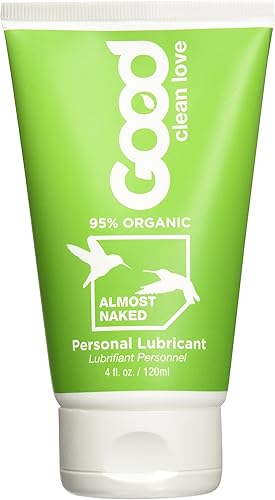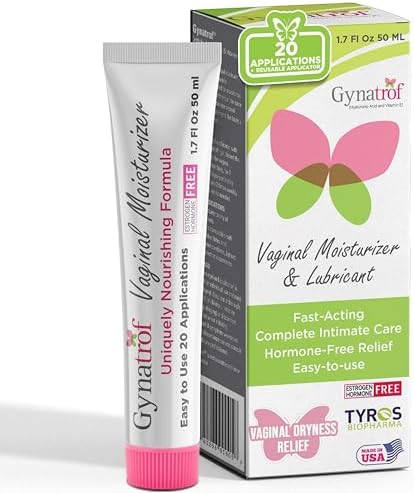

Think back to your sex education class. If you had one at all, chances are you learned about anatomy diagrams, the mechanics of reproduction, and probably a lot about what to be afraid of — STIs, unplanned pregnancy, and the general message that sex was risky business. What almost certainly wasn't covered? How to actually feel comfortable during intimacy. How to recognize when something doesn't feel right and what to do about it. How lubrication works and why it matters. These gaps in our education have real consequences, leaving millions of people silently enduring discomfort because they never learned that it didn't have to be that way.
The Missing Chapter: Pleasure and Comfort
Most sex education curricula are designed around risk prevention, which is important but incomplete. By focusing exclusively on what can go wrong, we skip the fundamental lesson of what "right" actually feels like. Comfort during intimacy isn't a bonus — it's a baseline requirement. When we don't teach people that their comfort matters, we implicitly teach them that discomfort is expected, tolerable, or simply part of the deal. That message sticks. It shows up years later when someone pushes through pain because they think that's just how things are. It shows up when someone feels too embarrassed to ask for more foreplay or to reach for a bottle of lubricant.
What You Should Have Learned About Lubrication
Here's the lesson that was missing from your textbook: your body's natural lubrication is variable, and that variability is completely normal. Vaginal lubrication is produced through a process involving blood flow to the vaginal walls (transudation) and secretions from the Bartholin's glands. This process is influenced by estrogen levels, arousal, stress, hydration, medications, and your overall health. Sometimes your body produces plenty. Sometimes it doesn't. Neither scenario says anything meaningful about your desire, your health, or your worth as a person. What sex ed should have taught you is that personal lubricant exists specifically for this reason — and that using it is as routine and unremarkable as any other personal care product.
- 1Arousal takes time — Your body needs time to warm up, and rushing through foreplay is one of the most common reasons intimacy feels uncomfortable. There's no timer, and taking longer isn't a problem.
- 2Lubrication is a tool, not a crutch — Just like you use sunscreen to protect your skin, lubricant protects your intimate tissues from friction and enhances sensation.
- 3Pain is a signal, not a sacrifice — If something hurts during intimacy, that's your body telling you something needs to change. It is never something you should just push through.
- 4Communication is the most important skill — Knowing how to tell your partner what feels good (and what doesn't) is more valuable than any technique. This is a learned skill, not an innate ability.
- 5Your body changes over time — What worked at 22 might not work at 32 or 42, and that's completely normal. Adapting to your body's needs isn't failure — it's maturity.
- 6There's no "right" amount of natural lubrication — Bodies are different, days are different, and there is no benchmark you need to meet.
The Foreplay Gap
Research consistently shows that most people need significantly more arousal time than they typically receive. A study in the Journal of Sex Research found that the average amount of foreplay in heterosexual encounters was around 11 minutes, while the amount needed for comfortable, pleasurable penetration was often closer to 20 minutes or more. This gap has real physical consequences — insufficient arousal time means insufficient lubrication, which means friction, which means discomfort. And because no one ever taught us this in school, many people interpret that discomfort as a personal problem rather than a timing problem. Lubricant bridges this gap beautifully. It doesn't replace foreplay or arousal — it supplements your body's natural response and ensures comfort from the very beginning.
Unlearning What We Were (Never) Taught
The hardest part about filling these educational gaps isn't learning new information — it's unlearning the shame and silence that settled in where good information should have been. Many of us internalized the idea that we should instinctively know how to navigate intimacy, that asking questions is a sign of inexperience, and that discomfort is simply part of the deal. None of that is true. Asking questions is a sign of wisdom. Prioritizing your comfort is a sign of self-respect. Using tools like lubricant is a sign that you've graduated beyond the fear-based education you received and moved into a place of empowered, informed self-care.
Teaching Ourselves What We Weren't Taught
The good news is that it's never too late to fill in the gaps. Start by getting curious about your own body. Notice how your comfort levels change throughout your cycle, in response to stress, and with different products. Talk to your healthcare provider about intimate health — they're prepared for these conversations even if you feel awkward having them. Explore resources from credentialed sex educators and therapists. And consider personal lubricant as your starting point: a simple, affordable product that immediately improves comfort and opens the door to a more informed relationship with your own body.
Key Takeaway
Sex education failed to teach most of us about the importance of comfort, the normalcy of variable lubrication, and the value of communication during intimacy. These gaps left many people silently enduring discomfort for years. The truth is simple: your comfort matters, pain is never something to push through, and using lubricant is a smart, healthy choice that your sex ed class should have told you about years ago.
Medical Disclaimer
The information provided in this article is for educational and informational purposes only and is not intended as medical advice. This content does not replace professional medical consultation, diagnosis, or treatment. Always seek the advice of your physician, obstetrician, midwife, or other qualified healthcare provider with any questions you may have regarding a medical condition, pregnancy, or treatment. Never disregard professional medical advice or delay in seeking it because of something you have read on this website. If you think you may have a medical emergency, call your doctor or 911 immediately. AdultLube.com does not recommend or endorse any specific tests, physicians, products, procedures, opinions, or other information that may be mentioned in this article. Reliance on any information provided by this article is solely at your own risk.
Legal Disclaimer
This article may contain affiliate links to products on Amazon.com. As an Amazon Associate, AdultLube.com earns from qualifying purchases made through these links at no additional cost to you. The inclusion of any product recommendations does not constitute a medical endorsement. Individual results and experiences may vary. The statements made in this article have not been evaluated by the Food and Drug Administration (FDA). Products mentioned are not intended to diagnose, treat, cure, or prevent any disease or medical condition. All product claims and recommendations are based on publicly available research, manufacturer information, and user reviews. AdultLube.com assumes no liability for actions taken based on the information in this article. Laws and medical guidelines may vary by jurisdiction. Consult with a licensed healthcare professional in your area for personalized advice.