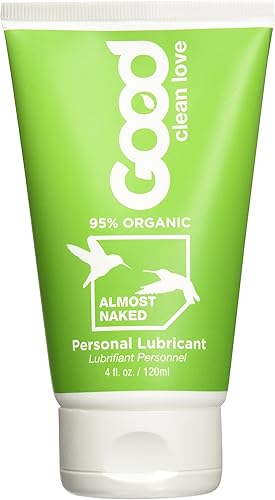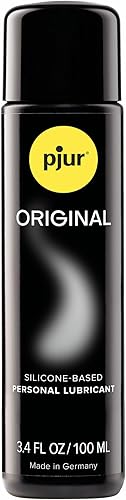

Confidence during intimacy isn't something you either have or you don't. It's not a personality trait you're born with. Intimate confidence is built — and one of its most fundamental building blocks is physical comfort. When your body feels good, when there's no friction or pain pulling your attention away from the moment, when you're not bracing yourself for discomfort, something remarkable happens: you relax. You become present. You connect. And from that place of comfort and presence, confidence naturally follows.
The Comfort-Confidence Connection
Think about any area of your life where you feel confident. Chances are, that confidence is rooted in a sense of comfort — you know what to expect, you have the tools you need, and you feel safe in the environment. Intimacy works exactly the same way. When physical comfort is present, your nervous system registers safety. Your body moves from a stress response (fight, flight, or freeze) into a relaxation response. Blood flow increases. Arousal becomes easier. Sensation amplifies. You shift from being in your head — monitoring, worrying, anticipating discomfort — to being in your body, fully experiencing the moment.
What Discomfort Does to Your Mind
When intimacy is uncomfortable, your brain becomes hypervigilant. Instead of focusing on pleasure and connection, you're focused on managing pain or anticipating the next uncomfortable moment. This mental state — sometimes called spectatoring — pulls you out of the experience and into an anxious, observing mode. Over time, if discomfort is a regular part of your intimate experiences, your brain starts associating intimacy with stress rather than pleasure. This can lead to decreased desire, avoidance of intimate situations, and a deep erosion of confidence. It's not that you've lost interest — it's that your brain is trying to protect you from an experience it has learned is uncomfortable.
The Lubricant Effect
This is where something as simple as a quality lubricant can create a transformative shift. When you remove friction and discomfort from the equation, you change the entire feedback loop. Your body feels good. Your brain registers pleasure instead of pain. You stay present instead of monitoring for discomfort. You feel more connected to your partner. And all of that feeds into a growing sense of confidence. Many people report that the first time they used lubricant and experienced truly comfortable intimacy, it was a revelation. Not because the lubricant was magical, but because they finally experienced what intimacy could feel like when their body wasn't fighting against friction.
- 1Positive experiences accumulate — Each comfortable intimate experience builds on the last, gradually replacing anxious associations with pleasurable ones.
- 2You learn to trust your body again — When you know you have tools to ensure comfort, you stop bracing for discomfort and start trusting that the experience will be enjoyable.
- 3Communication becomes easier — When you're comfortable, you're more likely to express your needs, guide your partner, and advocate for your pleasure.
- 4You become more willing to explore — Confidence opens doors to curiosity. When you're not worried about basic comfort, you have the mental and emotional bandwidth to explore what truly brings you pleasure.
- 5Your relationship deepens — Partners notice when you're more present and relaxed. Your comfort translates into better connection, which strengthens the emotional foundation of your relationship.
Small Changes, Big Impact
Building intimate confidence doesn't require a dramatic overhaul of your life. It often starts with one small, practical change. Keeping a bottle of quality lubricant on your nightstand. Taking five extra minutes for foreplay. Telling your partner one thing that feels good. These micro-actions create a ripple effect. Each one reinforces the message that your comfort matters, that your needs are worth meeting, and that you are allowed to enjoy your body without apology. Over time, those small actions accumulate into something powerful: a deeply rooted belief that you deserve pleasure, that your body is capable and worthy, and that intimacy is something to look forward to rather than endure.
Comfort Is Not Selfishness
If you've been holding back from prioritizing your comfort because it feels selfish or high-maintenance, let's reframe that right now. Prioritizing your comfort during intimacy isn't selfish — it's essential. Your comfort directly impacts your partner's experience. When you're relaxed, present, and enjoying yourself, your partner notices. They feel more connected to you. They feel more confident themselves. Comfort is contagious in the best possible way. When both people in an intimate encounter feel comfortable, the experience is exponentially better for everyone involved.
Key Takeaway
Physical comfort is the foundation of intimate confidence. When discomfort is removed from the equation — through tools like quality lubricant, adequate arousal time, and open communication — your brain shifts from vigilance to pleasure, and confidence naturally builds. Small changes like keeping lubricant accessible and prioritizing foreplay can create profound shifts in how you experience intimacy and how you feel about yourself.
Medical Disclaimer
The information provided in this article is for educational and informational purposes only and is not intended as medical advice. This content does not replace professional medical consultation, diagnosis, or treatment. Always seek the advice of your physician, obstetrician, midwife, or other qualified healthcare provider with any questions you may have regarding a medical condition, pregnancy, or treatment. Never disregard professional medical advice or delay in seeking it because of something you have read on this website. If you think you may have a medical emergency, call your doctor or 911 immediately. AdultLube.com does not recommend or endorse any specific tests, physicians, products, procedures, opinions, or other information that may be mentioned in this article. Reliance on any information provided by this article is solely at your own risk.
Legal Disclaimer
This article may contain affiliate links to products on Amazon.com. As an Amazon Associate, AdultLube.com earns from qualifying purchases made through these links at no additional cost to you. The inclusion of any product recommendations does not constitute a medical endorsement. Individual results and experiences may vary. The statements made in this article have not been evaluated by the Food and Drug Administration (FDA). Products mentioned are not intended to diagnose, treat, cure, or prevent any disease or medical condition. All product claims and recommendations are based on publicly available research, manufacturer information, and user reviews. AdultLube.com assumes no liability for actions taken based on the information in this article. Laws and medical guidelines may vary by jurisdiction. Consult with a licensed healthcare professional in your area for personalized advice.