
There's a quiet epidemic happening behind closed doors: millions of people are experiencing pain during intimacy and believing it's just something they have to endure. Maybe they were told the first time would hurt. Maybe they read that some discomfort is "normal." Maybe they've never known anything different. Let this be clear: pain during intimacy is not the price of admission. It's not something you should grit your teeth through. It's not a sacrifice you need to make for your partner's sake. Pain is a message from your body, and that message deserves to be heard.
The Normalization of Pain
Our culture has done a deeply disservice by normalizing pain during intimacy, particularly for women. From casual comments about "the first time hurting" to the lack of education about arousal and lubrication, we've created an environment where many people don't even know that painless intimacy is possible for them. A study published in the British Journal of Obstetrics and Gynaecology found that nearly 1 in 10 women experience painful intercourse, yet many never seek help because they've been led to believe it's just part of the experience. This normalization is harmful. It teaches people to disconnect from their bodies rather than listen to them.
Pain Is Information, Not Inevitable
Your body uses pain as a communication tool. When something hurts, your nervous system is telling you that something needs attention — maybe something needs to change about what you're doing, maybe you need more preparation, or maybe there's an underlying condition worth exploring with a healthcare provider. Pain during intimacy can signal many things, most of which are addressable.
- 1Insufficient lubrication — This is the most common and most easily solvable cause of painful intimacy. When there isn't enough moisture, friction causes discomfort, irritation, and even micro-tears in delicate tissue. A quality lubricant resolves this immediately.
- 2Insufficient arousal time — Your body needs time to become fully aroused, which involves increased blood flow, tissue engorgement, and lubrication production. When penetration happens before your body is ready, discomfort is the natural result.
- 3Vaginal tension or vaginismus — Involuntary tightening of the pelvic floor muscles can make penetration painful or impossible. This is a recognized medical condition with effective treatments, including pelvic floor therapy.
- 4Hormonal changes — Menopause, perimenopause, postpartum recovery, and certain medications can thin vaginal tissue and reduce elasticity, making friction more likely to cause pain.
- 5Infections or skin conditions — Yeast infections, bacterial vaginosis, lichen sclerosus, and other conditions can cause tissue sensitivity. These require medical diagnosis and treatment.
- 6Endometriosis or pelvic conditions — Deep pain during intimacy can be a sign of endometriosis, fibroids, or other pelvic conditions that benefit from medical evaluation.
- 7Emotional factors — Anxiety, past trauma, relationship stress, or simply not feeling safe can create physical tension that makes intimacy uncomfortable. These are valid experiences that deserve compassionate support.
What You Deserve
You deserve intimacy that feels good. Not just emotionally, not just for your partner, but physically good for you. This isn't an unreasonable expectation. This isn't asking too much. This is the baseline. If you've been enduring pain because you thought it was just how things are, please know that there's a world of difference between what you've been experiencing and what's possible. For many people, the solution is as straightforward as using a quality lubricant. For others, it might involve working with a pelvic floor therapist, talking to a healthcare provider about hormonal options, or addressing emotional factors with a therapist. Whatever the path, the destination is the same: your comfort and pleasure matter.
Starting with What You Can Control
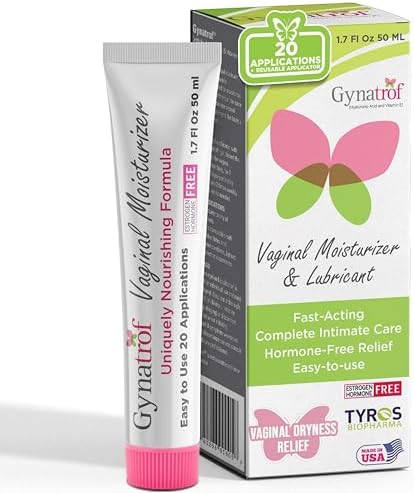
If you're experiencing discomfort during intimacy, lubricant is often the best first step. It's accessible, affordable, and can make an immediate difference. Look for water-based formulas designed for sensitive skin — these are free from potential irritants like glycerin, parabens, and fragrances, and they're compatible with condoms and toys. Apply generously and reapply as needed. There's no such thing as too much lubricant. Beyond lubricant, prioritize extended foreplay and arousal time. Communicate with your partner about pacing. And give yourself full permission to stop or pause if something doesn't feel right. Your boundary is not a buzzkill — it's a necessity.
When to Seek Professional Help
If pain persists despite adequate lubrication and arousal, or if it's accompanied by other symptoms like bleeding, unusual discharge, or deep pelvic pain, please see a healthcare provider. Conditions like vaginismus, vulvodynia, and endometriosis are treatable, and you don't have to figure them out alone. A good provider will take your pain seriously and work with you to find solutions. If your current provider dismisses your concerns, seek another opinion. Your pain is real, it matters, and you deserve a provider who treats it that way.
Key Takeaway
Pain during intimacy is never something you should just accept. It's your body communicating that something needs to change — whether that's more lubrication, more arousal time, a different approach, or medical attention. You deserve comfortable, pleasurable intimate experiences. Start with a quality lubricant, communicate openly with your partner, and don't hesitate to seek professional help if pain persists. Your comfort is not optional.
Medical Disclaimer
The information provided in this article is for educational and informational purposes only and is not intended as medical advice. This content does not replace professional medical consultation, diagnosis, or treatment. Always seek the advice of your physician, obstetrician, midwife, or other qualified healthcare provider with any questions you may have regarding a medical condition, pregnancy, or treatment. Never disregard professional medical advice or delay in seeking it because of something you have read on this website. If you think you may have a medical emergency, call your doctor or 911 immediately. AdultLube.com does not recommend or endorse any specific tests, physicians, products, procedures, opinions, or other information that may be mentioned in this article. Reliance on any information provided by this article is solely at your own risk.
Legal Disclaimer
This article may contain affiliate links to products on Amazon.com. As an Amazon Associate, AdultLube.com earns from qualifying purchases made through these links at no additional cost to you. The inclusion of any product recommendations does not constitute a medical endorsement. Individual results and experiences may vary. The statements made in this article have not been evaluated by the Food and Drug Administration (FDA). Products mentioned are not intended to diagnose, treat, cure, or prevent any disease or medical condition. All product claims and recommendations are based on publicly available research, manufacturer information, and user reviews. AdultLube.com assumes no liability for actions taken based on the information in this article. Laws and medical guidelines may vary by jurisdiction. Consult with a licensed healthcare professional in your area for personalized advice.