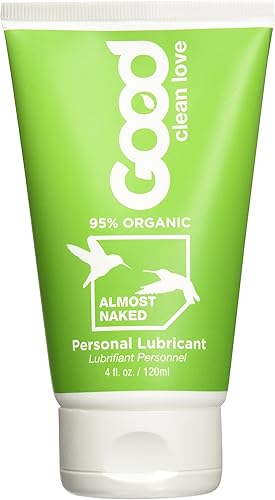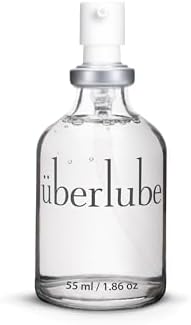

If you have ever read advice about personal lubricants, you have almost certainly encountered some version of 'you can never use too much lube.' While the sentiment behind this advice is sound (insufficient lubrication causes friction-related discomfort and tissue damage), the statement itself is an oversimplification. There is, in fact, a practical upper limit to how much lubricant is beneficial, and exceeding it can create its own set of problems. Let us explore the nuances.
Why 'More Is Better' Became the Default Advice
The emphasis on generous lubricant use comes from a legitimate concern. Insufficient lubrication during intimate activity can cause micro-tears in delicate vaginal or rectal tissue, leading to discomfort, irritation, and increased vulnerability to infections. Many people, particularly those new to using lubricant, err on the side of too little rather than too much. In that context, encouraging more generous application is generally helpful advice. However, there is a difference between using enough lubricant and flooding the area with excessive amounts.
What Happens When You Use Too Much
Excessive lubricant application can create several practical problems. The most immediate is a loss of sensation. Lubricant works by creating a thin, slippery film between surfaces. When that film becomes too thick, it can significantly reduce the friction and tactile feedback that contribute to pleasurable sensation for both partners. Some couples describe excessive lube as creating a 'numb' or 'disconnected' feeling. With water-based lubricants specifically, using too much can create a messy, dripping situation that is distracting and can soak into sheets, clothing, and mattress pads. While water-based products are generally non-staining, the sheer volume can create an uncomfortably wet environment. For silicone lubricants, over-application is less of a volume problem but more of a cleanup issue. Silicone is very concentrated, and a large excess will leave surfaces extremely slippery, potentially even creating a slipping hazard on tile or hardwood floors if it drips. Excessive silicone on sheets will require multiple washes with detergent to fully remove.

The Condom Connection
There is also a safety dimension to consider with condoms. While condoms need adequate lubrication to function properly (both to reduce breakage risk and to enhance comfort), excessive lubricant inside a condom can cause it to slip off during use. Condom manufacturers generally recommend applying lubricant to the outside of the condom after it is in place, not to the inside. A single drop placed inside the tip before rolling on can enhance sensation, but more than that increases slippage risk. On the outside, a moderate application is effective; there is no benefit to coating the entire condom in a thick layer.
How Much Is the Right Amount?
The ideal amount of lubricant varies by product type, activity, and individual physiology. As a general starting point, a coin-sized amount (roughly the size of a US quarter, or about 3 to 5 milliliters) is sufficient for most water-based lubricants. For silicone lubricants, which are more concentrated, a dime-sized amount (about 1 to 2 milliliters) is often enough. Apply the initial amount, begin activity, and add more incrementally if needed rather than starting with a large quantity. This approach gives you better control over the level of lubrication and prevents waste. For anal activity, where the body does not produce natural lubrication, more generous application is appropriate. A thicker gel formula applied both externally and internally provides the most effective coverage.
Application Tips for Optimal Coverage
- 1Warm it first: Rub the lubricant between your fingers for a few seconds to bring it to body temperature. Cold lubricant can be startling and may cause involuntary muscle tension.
- 2Apply to both partners: Rather than applying all the lubricant to one person, distribute it between both for more even coverage and reduced friction overall.
- 3Target the areas of greatest friction: Focus application on the specific contact points rather than trying to coat a large area.
- 4Add incrementally: Start with a moderate amount and add more as needed. It is much easier to add lubricant than to remove excess.
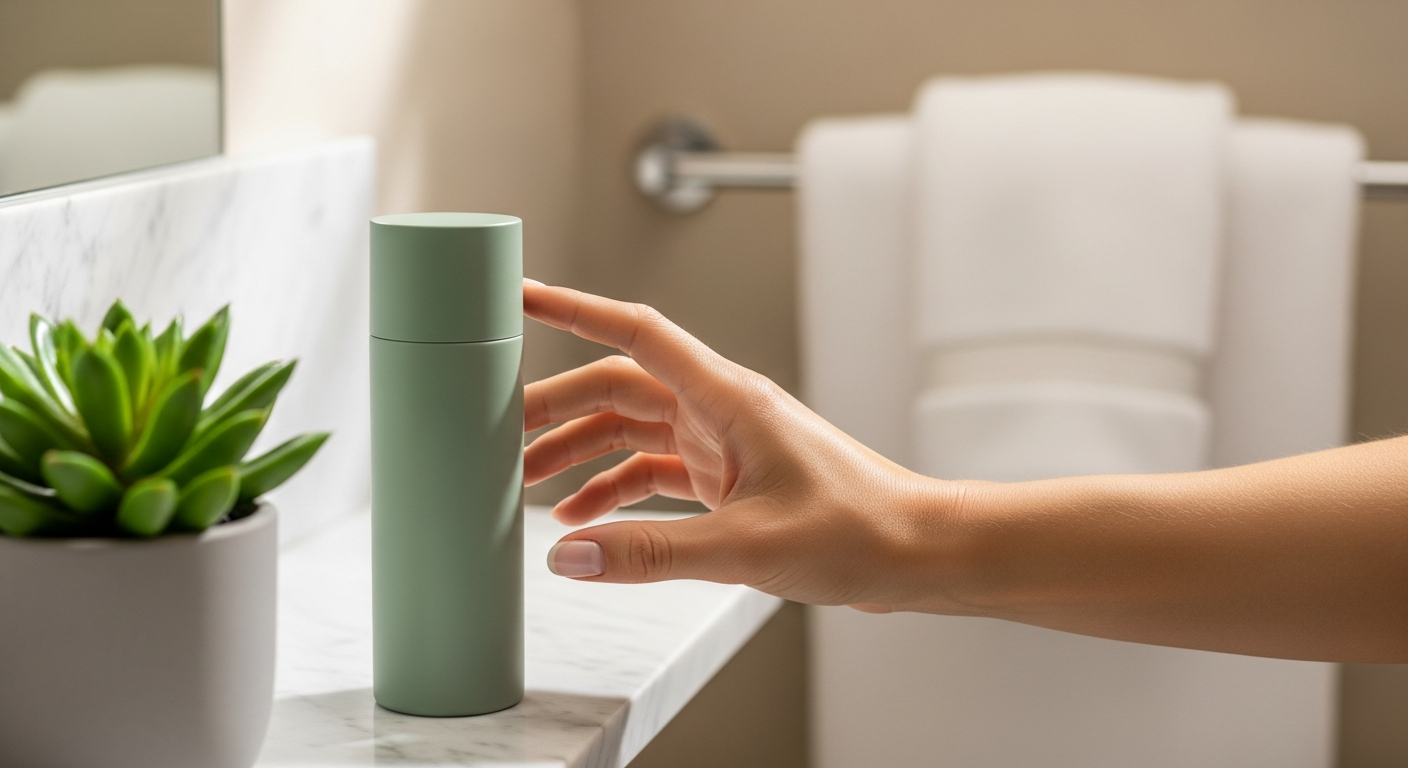
- 5Keep the bottle accessible: Having the lubricant within arm's reach allows for seamless reapplication without disrupting the flow of intimacy.
- 6Consider a pump or squeeze bottle: These dispensers give better control over the amount than flip-top caps or jars, making it easier to dispense precisely what you need.
Dealing with Excess
If you have applied too much lubricant and it is creating a loss of sensation or mess, there are simple solutions. For water-based products, gently blotting the area with a dry cloth or towel removes the excess without stripping all lubrication away. For silicone products, a dry cloth will absorb some of the excess, though you will likely still have adequate lubrication remaining. You can also simply wait a few minutes, as body movement and natural absorption will gradually reduce the lubricant layer to a more comfortable level.
Key Takeaway
While under-lubrication is more dangerous than over-lubrication, using excessive amounts can reduce sensation, create mess, and potentially compromise condom security. Start with a coin-sized amount of water-based lubricant or a dime-sized amount of silicone, apply to both partners, and add more incrementally as needed. The goal is a thin, even, slippery film, not a thick coating.
Medical Disclaimer
The information provided in this article is for educational and informational purposes only and is not intended as medical advice. This content does not replace professional medical consultation, diagnosis, or treatment. Always seek the advice of your physician, obstetrician, midwife, or other qualified healthcare provider with any questions you may have regarding a medical condition, pregnancy, or treatment. Never disregard professional medical advice or delay in seeking it because of something you have read on this website. If you think you may have a medical emergency, call your doctor or 911 immediately. AdultLube.com does not recommend or endorse any specific tests, physicians, products, procedures, opinions, or other information that may be mentioned in this article. Reliance on any information provided by this article is solely at your own risk.
Legal Disclaimer
This article may contain affiliate links to products on Amazon.com. As an Amazon Associate, AdultLube.com earns from qualifying purchases made through these links at no additional cost to you. The inclusion of any product recommendations does not constitute a medical endorsement. Individual results and experiences may vary. The statements made in this article have not been evaluated by the Food and Drug Administration (FDA). Products mentioned are not intended to diagnose, treat, cure, or prevent any disease or medical condition. All product claims and recommendations are based on publicly available research, manufacturer information, and user reviews. AdultLube.com assumes no liability for actions taken based on the information in this article. Laws and medical guidelines may vary by jurisdiction. Consult with a licensed healthcare professional in your area for personalized advice.