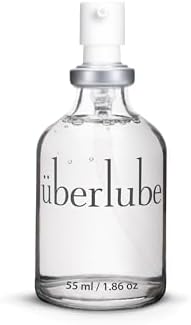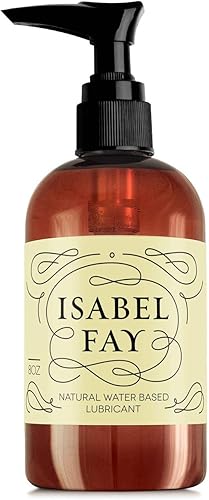

One of the most common complaints about personal lubricants is that they do not last long enough. You apply a generous amount, and within minutes it seems to have vanished, leaving you reaching for the bottle again. But how long should a lubricant reasonably last, and what determines its staying power? The answer depends on chemistry, physiology, and technique.
Longevity by Lubricant Type
The base type of a lubricant is the single biggest factor determining how long it lasts. Water-based lubricants typically provide effective lubrication for 15 to 30 minutes of continuous activity before they begin to feel tacky or dry. This is because the water in the formula gradually evaporates into the air and is absorbed by skin and mucous membrane tissue. Thicker gel-style water-based lubricants tend to last somewhat longer than thinner liquid formulas because the gel matrix slows water evaporation. Silicone-based lubricants can last 45 minutes to well over an hour of continuous activity because they contain no water to evaporate. The silicone molecules remain on the skin's surface, creating a persistent lubricating film. Many users report that a single application of a quality silicone lubricant lasts an entire session without reapplication. Oil-based lubricants fall somewhere in between. Natural oils like coconut oil and jojoba oil are absorbed slowly by the skin, providing extended lubrication, but they do eventually absorb and may need replenishment during longer sessions. Hybrid lubricants, which combine a water base with a small percentage of silicone, aim to bridge the gap. They typically last longer than pure water-based products (roughly 20 to 40 minutes) while still being easier to clean than pure silicone.
What Causes Lubricant to 'Dry Out'?
Understanding why lubricant stops working helps you manage reapplication more effectively. For water-based lubricants, three mechanisms are at play. First, evaporation: water molecules escape from the lubricant film into the surrounding air, especially in warmer environments or during vigorous activity that increases body heat. Second, absorption: the skin and mucous membranes absorb water from the lubricant, particularly in areas with thinner tissue like the vaginal and rectal walls. Third, dilution and removal: bodily fluids, natural secretions, and friction gradually distribute and remove the lubricant from the area where it was applied. For silicone lubricants, the primary mechanism of loss is mechanical removal through friction. The silicone film gradually thins and is wiped away through movement. Because silicone does not evaporate at body temperature and is not absorbed by skin, it persists much longer than water-based alternatives.
Signs It's Time to Reapply
- 1Increased friction or a 'dragging' sensation during movement.
- 2A tacky or sticky feeling, especially common with water-based formulas as the water evaporates and leaves behind thickening agents.
- 3Discomfort, mild burning, or a feeling of dryness that was not present at the start.
- 4A noticeable change in the sound of contact, often described as less 'smooth' and more 'squeaky.'
- 5The surface of the skin feels dry to the touch when you pause activity.
Smart Reapplication Techniques
Reapplying lubricant does not have to be an interruption. For water-based lubricants, you can often reactivate a dried-out film by adding a few drops of water rather than applying more product. A damp hand, a spray bottle of water, or even saliva can temporarily revive a water-based lubricant because the thickening agents are still present on the skin and simply need rehydration. When you do need to add more product, apply it to the area of greatest friction rather than trying to coat everything again. For silicone lubricants, reapplication is less frequent but follows the same principle: add a small amount to the primary contact area. Because silicone is highly concentrated, you typically need much less on reapplication than you used initially.
Factors That Affect Longevity
- 1Room temperature and humidity: Warmer, drier environments accelerate water-based lubricant evaporation. Air conditioning and fans have the same effect.
- 2Intensity of activity: More vigorous movement generates more friction and body heat, both of which reduce lubricant longevity.
- 3Amount applied: Using too little lubricant means it spreads too thin and fails faster. A generous initial application lasts longer than a conservative one.
- 4Individual body chemistry: Some people naturally produce more vaginal lubrication, which supplements and extends the effect of applied lubricant. Others have naturally drier tissue that absorbs water-based products faster.
- 5Condom use: Condoms can absorb and redistribute lubricant, sometimes requiring more frequent reapplication. Some condoms come pre-lubricated to help offset this.
- 6Alcohol consumption: Alcohol is a systemic dehydrator that can reduce natural lubrication production and accelerate drying of water-based products.
Maximizing Your Lubricant's Performance
To get the longest-lasting experience from any lubricant, start with a generous application rather than adding small amounts incrementally. For water-based products, keep a spray bottle of water nearby for quick reactivation. Stay hydrated throughout the day, as systemic hydration supports your body's natural moisture production. If you consistently find that water-based lubricants dry out too quickly, consider switching to a silicone or hybrid formula for longer sessions. For shorter encounters, a quality water-based lubricant applied generously should be more than sufficient.
Key Takeaway
Water-based lubricants typically last 15 to 30 minutes before needing reapplication, while silicone-based lubricants can last an hour or more. The primary cause of drying is water evaporation and skin absorption for water-based products, and mechanical removal for silicone. Reactivating a water-based lubricant with a few drops of water is often more effective than applying fresh product. Choose your base type based on how long you need lubrication to last, and apply generously from the start.
Medical Disclaimer
The information provided in this article is for educational and informational purposes only and is not intended as medical advice. This content does not replace professional medical consultation, diagnosis, or treatment. Always seek the advice of your physician, obstetrician, midwife, or other qualified healthcare provider with any questions you may have regarding a medical condition, pregnancy, or treatment. Never disregard professional medical advice or delay in seeking it because of something you have read on this website. If you think you may have a medical emergency, call your doctor or 911 immediately. AdultLube.com does not recommend or endorse any specific tests, physicians, products, procedures, opinions, or other information that may be mentioned in this article. Reliance on any information provided by this article is solely at your own risk.
Legal Disclaimer
This article may contain affiliate links to products on Amazon.com. As an Amazon Associate, AdultLube.com earns from qualifying purchases made through these links at no additional cost to you. The inclusion of any product recommendations does not constitute a medical endorsement. Individual results and experiences may vary. The statements made in this article have not been evaluated by the Food and Drug Administration (FDA). Products mentioned are not intended to diagnose, treat, cure, or prevent any disease or medical condition. All product claims and recommendations are based on publicly available research, manufacturer information, and user reviews. AdultLube.com assumes no liability for actions taken based on the information in this article. Laws and medical guidelines may vary by jurisdiction. Consult with a licensed healthcare professional in your area for personalized advice.