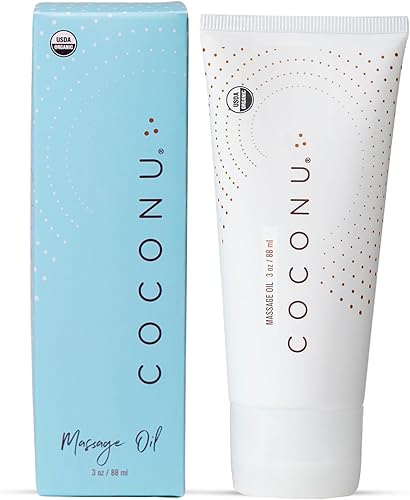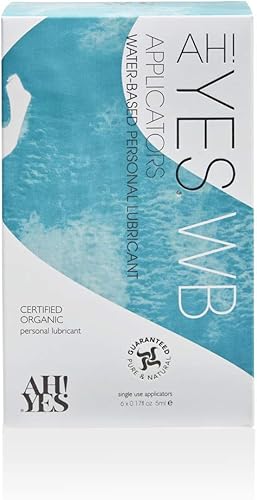

The personal care industry has seen an explosion of 'natural,' 'organic,' and 'clean' product claims over the past decade, and personal lubricants are no exception. But what do these terms actually mean in a scientific context? Is a plant-derived lubricant inherently safer or more effective than a synthetic one? The answer, as with most things in chemistry, is more nuanced than the marketing suggests. Let us examine what the research tells us about both categories.
Defining 'Natural' and 'Synthetic'
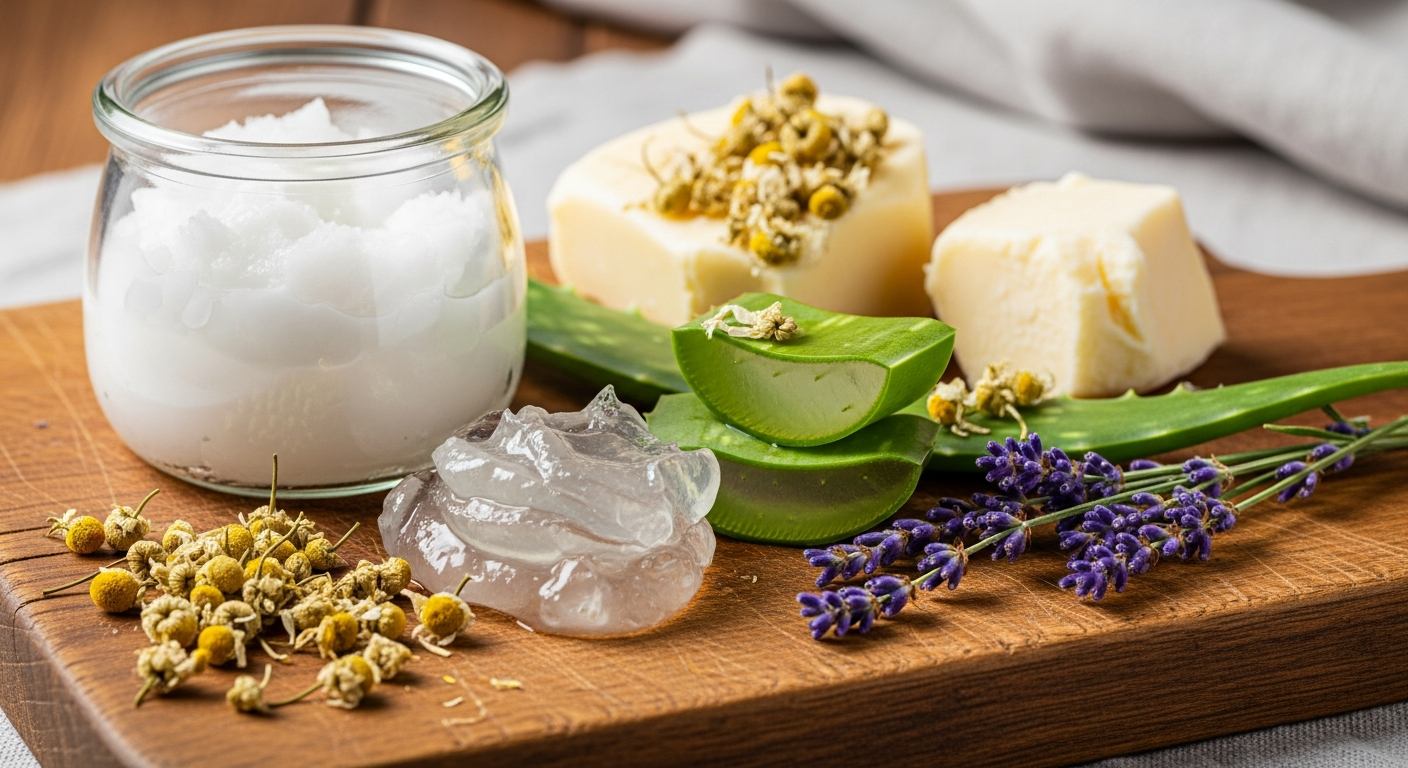
In lubricant formulation, 'natural' generally refers to ingredients derived from plants, minerals, or other biological sources with minimal chemical processing. Common natural ingredients include aloe vera gel (aloe barbadensis), plant cellulose, carrageenan (from seaweed), coconut oil, and botanical extracts like chamomile or green tea. 'Synthetic' refers to ingredients manufactured through chemical processes, even if the starting materials come from natural sources. Dimethicone (silicone), polyethylene glycol, propylene glycol, and hydroxyethylcellulose all fall into this category. Importantly, the boundary between natural and synthetic is blurry. Hydroxyethylcellulose, for example, is derived from plant cellulose but undergoes chemical modification. Many 'natural' preservative systems still involve laboratory synthesis of compounds found in nature.
Organic Certifications: What They Mean
When a lubricant carries a USDA Organic certification, it means that at least 95% of the ingredients are certified organic, meaning they were grown without synthetic pesticides, herbicides, or genetically modified organisms. The Soil Association in the UK has a similar certification with stringent requirements. These certifications speak to agricultural practices and supply chain transparency, not necessarily to safety or efficacy as a lubricant. A product can be USDA Organic and still have a problematic pH or high osmolality if the organic ingredients are formulated poorly. Conversely, a synthetic silicone lubricant with no organic ingredients can be perfectly body-safe due to the inert nature of medical-grade silicone. The certification matters most for people who prioritize environmental sustainability and pesticide-free sourcing in their personal care products.
The Science of Plant-Based Ingredients
Aloe vera is one of the most common bases for natural lubricants. Research published in the Indian Journal of Dermatology confirmed that aloe vera has anti-inflammatory, antimicrobial, and wound-healing properties. As a lubricant base, it provides natural viscosity and moisture without the osmolality problems of glycerin-based formulas. Carrageenan, derived from red seaweed, has been studied for its potential antiviral properties. Research published in the journal PLOS ONE found that carrageenan-based lubricants showed inhibitory activity against certain strains of HPV in laboratory settings. While this does not mean a carrageenan lubricant prevents HPV infection, it is an interesting area of ongoing research. Coconut oil is a popular natural lubricant, particularly in oil-based formulations. It has documented antimicrobial properties due to its lauric acid content. However, coconut oil is not compatible with latex condoms (it degrades latex), may alter vaginal pH, and some individuals are allergic to it. Its use should be informed by these limitations.
The Science of Synthetic Ingredients
Medical-grade dimethicone (silicone) is one of the most extensively studied topical ingredients in dermatology. It has been used in wound care, scar treatment, and skin protection for decades. As a lubricant, it is hypoallergenic, non-comedogenic, and biologically inert. It does not penetrate the skin, does not interact with vaginal flora, and does not degrade condoms. Its safety profile is well-established through decades of clinical use. Polyethylene glycol (PEG) compounds, used as thickeners and humectants in many water-based lubricants, are synthetic polymers that are generally well-tolerated. However, higher-molecular-weight PEGs can contribute to elevated osmolality, and some advocacy groups have raised concerns about potential contamination with ethylene oxide and 1,4-dioxane during manufacturing, though modern purification processes largely address these issues. Phenoxyethanol, a widely used preservative in both natural and synthetic formulas, is a synthetic compound that is generally considered safer than parabens. It is effective at low concentrations and is approved for use in products labeled 'natural' by many certification bodies.
Head-to-Head: How Do They Compare?
- 1Longevity: Synthetic silicone lubricants last significantly longer than any plant-based water-based formula. Among water-based options, plant cellulose-thickened formulas and glycerin-based formulas have roughly similar longevity.
- 2Body safety: Both categories can be body-safe or problematic depending on specific formulation. A poorly formulated organic lubricant with high osmolality can be more irritating than a well-formulated synthetic one.
- 3Environmental impact: Natural and organic lubricants generally have a smaller environmental footprint in terms of ingredient sourcing, biodegradability, and packaging. Silicone is not biodegradable but is used in very small quantities.
- 4Allergen risk: Natural ingredients like botanical extracts, essential oils, and nut-based oils carry a higher risk of allergic reactions than purified synthetic ingredients like medical-grade silicone.
- 5Preservative needs: Natural formulations are more susceptible to microbial contamination and often require preservative systems. Silicone formulas are inherently resistant to microbial growth.
- 6Cost: Certified organic lubricants tend to cost more due to sourcing and certification requirements. Synthetic formulas vary widely in price depending on quality.

The Middle Ground: Hybrid Approaches
Many modern lubricant manufacturers take a hybrid approach, combining natural base ingredients with carefully selected synthetic components. For example, a lubricant might use organic aloe vera as its primary base, natural plant cellulose as a thickener, and phenoxyethanol as a preservative. This approach can deliver the best of both worlds: the skin-conditioning benefits of natural ingredients with the stability and safety of proven synthetic preservatives. The key is not whether an ingredient is natural or synthetic, but whether the overall formulation is well-designed for body safety. A lubricant with balanced pH, low osmolality, no known irritants, and effective preservation is a good product regardless of whether its ingredients come from a plant or a laboratory.
Key Takeaway
The distinction between 'natural' and 'synthetic' lubricants is less important than the overall formulation quality. Natural ingredients like aloe vera and carrageenan have documented benefits but can still cause issues if formulated with poor pH or high osmolality. Synthetic silicone is one of the safest topical ingredients available despite being entirely man-made. Choose based on specific ingredient safety profiles, your body's sensitivities, and your environmental values rather than broad 'natural vs synthetic' labels.
Medical Disclaimer
The information provided in this article is for educational and informational purposes only and is not intended as medical advice. This content does not replace professional medical consultation, diagnosis, or treatment. Always seek the advice of your physician, obstetrician, midwife, or other qualified healthcare provider with any questions you may have regarding a medical condition, pregnancy, or treatment. Never disregard professional medical advice or delay in seeking it because of something you have read on this website. If you think you may have a medical emergency, call your doctor or 911 immediately. AdultLube.com does not recommend or endorse any specific tests, physicians, products, procedures, opinions, or other information that may be mentioned in this article. Reliance on any information provided by this article is solely at your own risk.
Legal Disclaimer
This article may contain affiliate links to products on Amazon.com. As an Amazon Associate, AdultLube.com earns from qualifying purchases made through these links at no additional cost to you. The inclusion of any product recommendations does not constitute a medical endorsement. Individual results and experiences may vary. The statements made in this article have not been evaluated by the Food and Drug Administration (FDA). Products mentioned are not intended to diagnose, treat, cure, or prevent any disease or medical condition. All product claims and recommendations are based on publicly available research, manufacturer information, and user reviews. AdultLube.com assumes no liability for actions taken based on the information in this article. Laws and medical guidelines may vary by jurisdiction. Consult with a licensed healthcare professional in your area for personalized advice.