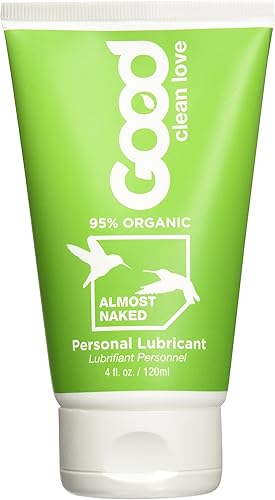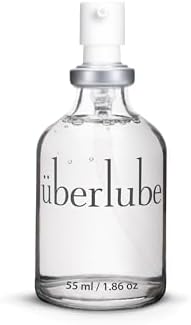

Walk into any pharmacy or browse any online retailer, and you will find shelves lined with lubricants divided into two dominant camps: water-based and silicone-based. While both serve the same fundamental purpose of reducing friction and enhancing comfort during intimacy, their chemical compositions create vastly different experiences. Understanding the real differences can help you choose the right product for your body, your activities, and your accessories.
The Chemistry: What's Actually in the Bottle?
Water-based lubricants use purified water as their primary solvent. The water is thickened with cellulose derivatives (like hydroxyethylcellulose), plant gums (such as xanthan gum), or polyethylene glycol compounds to create a gel-like consistency. Humectants like glycerin or propylene glycol are often added to retain moisture, and preservatives such as phenoxyethanol or citric acid prevent bacterial growth. Some formulations include aloe vera, hyaluronic acid, or vitamin E for additional skin-conditioning benefits. Silicone-based lubricants, by contrast, contain dimethicone, dimethiconol, cyclomethicone, or cyclopentasiloxane as their active ingredients. These are synthetic polymers built from repeating units of silicon and oxygen atoms, creating molecules that are inherently hydrophobic (water-repelling). Medical-grade silicone formulas like those found in premium products such as Uberlube use highly purified dimethicone with no additional fillers, fragrances, or preservatives needed because silicone itself is chemically inert and inhospitable to microbial growth.
Performance: How They Feel and Function
The fundamental performance difference comes down to evaporation. Water-based lubricants gradually lose moisture to the air and to absorption by skin tissue, which means they can become tacky or dry during extended use. This is why many water-based formulas need periodic reapplication or a splash of water to reactivate. The upside is that they feel very natural and closely mimic the body's own moisture. Silicone-based lubricants do not evaporate because they contain no water. The silicone molecules sit on the surface of the skin, creating a persistent, ultra-smooth layer that lasts significantly longer than water-based alternatives. A small amount of a quality silicone lubricant can provide effective lubrication for an extended session without reapplication. However, some people find that silicone lubes feel less natural and more like an artificial coating compared to the lighter, more watery sensation of water-based products.
Compatibility: Toys, Condoms, and Materials
This is where the differences become critically important. Water-based lubricants are universally compatible. They are safe to use with latex condoms, polyisoprene condoms, and all toy materials including silicone, rubber, glass, metal, and plastic. This universal compatibility makes them the default recommendation for most situations. Silicone lubricants are safe with all condom types, including latex and polyurethane. However, they are generally not recommended for use with silicone-based toys. The reason is that silicone lubricant can bond with and degrade the surface of silicone toys over time, causing the material to become sticky, discolored, or pitted. Some higher-quality medical-grade silicone toys may withstand contact with silicone lube, but unless you are certain of the toy's grade, a water-based lubricant is the safer choice.
pH and Osmolality: The Science of Body Safety
The World Health Organization published guidelines recommending that personal lubricants have a pH between 3.8 and 4.5 to match the natural vaginal environment, and an osmolality below 1200 mOsm/kg to avoid damaging epithelial cells. Water-based lubricants vary widely in both pH and osmolality depending on their formulations. Products with high glycerin content tend to have higher osmolality, which can draw moisture out of tissue cells (a hyperosmolar effect) and may increase susceptibility to irritation or infection. Clean-formula water-based lubes made with plant cellulose and minimal additives tend to score better on both measures. Silicone lubricants do not have a measurable pH or osmolality because they are not water-soluble. They do not interact with vaginal flora or alter the vaginal microbiome, which can be an advantage for people prone to yeast infections or bacterial vaginosis. This chemical inertness is one reason many gynecologists recommend silicone formulas for patients with recurrent infections.
Cleanup and Staining
Water-based lubricants dissolve easily in water, making cleanup simple. A quick rinse or wipe with a damp cloth is usually all that is needed. They generally do not stain fabrics or sheets. Silicone lubricants require soap and water for removal because they are not water-soluble. While they will not stain most fabrics permanently, they can leave oily-feeling residue on sheets and clothing that may require laundering with detergent. On skin, silicone lubes leave a smooth, moisturized feeling that some people enjoy as a post-use benefit but others find unpleasant.
Special Use Cases
- 1Water activities (shower, bath, pool): Silicone is strongly preferred because it will not wash away. Water-based lubricant dissolves almost immediately in water, rendering it ineffective.
- 2Anal use: Silicone is often preferred for its long-lasting properties and the fact that the anal canal does not self-lubricate. Thicker water-based gels like Sliquid Sassy are also suitable.
- 3Vaginal use with sensitive flora: Water-based formulas with balanced pH and low osmolality, or inert silicone formulas, are both good options. Avoid glycerin-heavy water-based products if prone to yeast infections.
- 4Condom use: Both types are compatible. Water-based is the most universally recommended by condom manufacturers.
- 5Silicone toy use: Water-based only. Silicone lubricant can degrade silicone toy surfaces over time.
- 6Massage and extended foreplay: Silicone provides a long-lasting glide ideal for body massage. It doubles as a skin conditioner.
Key Takeaway
Neither water-based nor silicone lubricant is objectively better. Water-based formulas offer universal compatibility, easy cleanup, and a natural feel but require reapplication. Silicone formulas last longer, work in water, and are biologically inert but are incompatible with silicone toys and harder to clean. The best choice depends on your specific use case, material compatibility needs, and personal texture preference. Many people keep both types on hand for different situations.
Medical Disclaimer
The information provided in this article is for educational and informational purposes only and is not intended as medical advice. This content does not replace professional medical consultation, diagnosis, or treatment. Always seek the advice of your physician, obstetrician, midwife, or other qualified healthcare provider with any questions you may have regarding a medical condition, pregnancy, or treatment. Never disregard professional medical advice or delay in seeking it because of something you have read on this website. If you think you may have a medical emergency, call your doctor or 911 immediately. AdultLube.com does not recommend or endorse any specific tests, physicians, products, procedures, opinions, or other information that may be mentioned in this article. Reliance on any information provided by this article is solely at your own risk.
Legal Disclaimer
This article may contain affiliate links to products on Amazon.com. As an Amazon Associate, AdultLube.com earns from qualifying purchases made through these links at no additional cost to you. The inclusion of any product recommendations does not constitute a medical endorsement. Individual results and experiences may vary. The statements made in this article have not been evaluated by the Food and Drug Administration (FDA). Products mentioned are not intended to diagnose, treat, cure, or prevent any disease or medical condition. All product claims and recommendations are based on publicly available research, manufacturer information, and user reviews. AdultLube.com assumes no liability for actions taken based on the information in this article. Laws and medical guidelines may vary by jurisdiction. Consult with a licensed healthcare professional in your area for personalized advice.