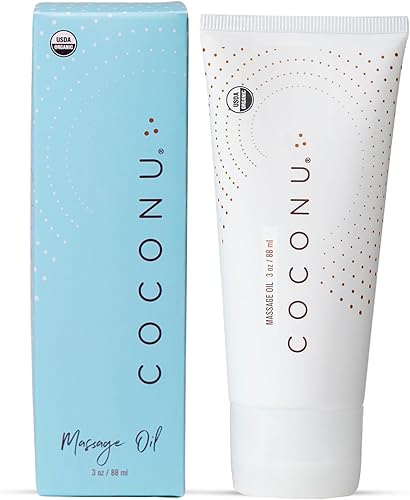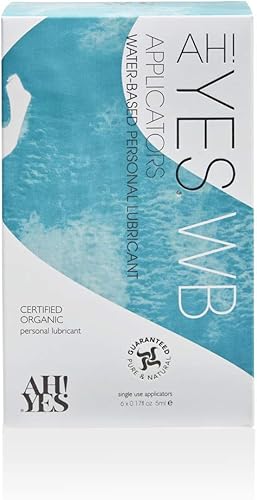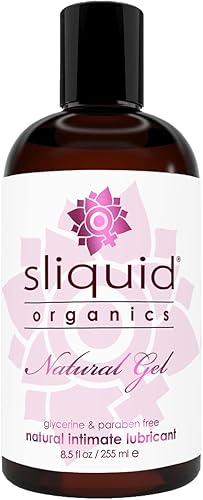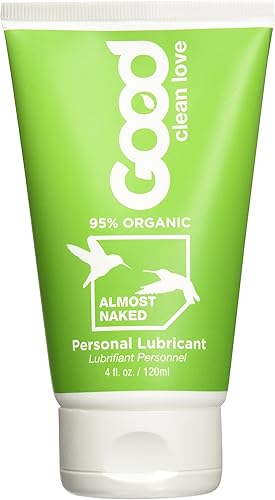

The clean beauty movement has expanded well beyond facial serums and body lotions into the personal lubricant space. Consumers are increasingly scrutinizing ingredient lists, demanding transparency, and seeking products free from controversial additives. But 'clean' has no regulatory definition in the personal care industry, which means it can mean different things depending on who is using the term. This guide provides a science-based framework for evaluating lubricant ingredients and identifying products that genuinely prioritize body safety.
What 'Clean' Actually Means (and Doesn't Mean)
Unlike terms such as 'organic' (which has USDA certification standards) or 'hypoallergenic' (which, while loosely defined, implies dermatological testing), 'clean' has no official standard. In practice, most brands using the clean label mean their products exclude a list of ingredients they consider potentially harmful or controversial. Common exclusions include parabens, glycerin, propylene glycol, petroleum derivatives, synthetic fragrances, dyes, chlorhexidine, and nonoxynol-9. However, the absence of a universal standard means that one brand's 'clean' formula might include ingredients that another brand explicitly excludes. The most useful approach is not to rely on the word 'clean' on the label but to evaluate the actual ingredient list against established safety data.
Reading a Lubricant Ingredient Label
Personal lubricants sold in the United States are regulated as either medical devices (FDA Class II) or cosmetics, depending on their intended use and claims. FDA-regulated lubricants must list their active ingredients and inactive ingredients on the label. The ingredients are typically listed in descending order of concentration, meaning the first ingredient is present in the highest amount. For a water-based lubricant, water (aqua) should always be the first ingredient. The next several ingredients reveal the product's thickening system, humectant approach, and preservative strategy. A clean-ingredient water-based lubricant will typically read something like: Water, Aloe Barbadensis Leaf Juice, Hydroxyethylcellulose, Xanthan Gum, Citric Acid, Phenoxyethanol, Potassium Sorbate. A less clean formulation might read: Water, Glycerin, Propylene Glycol, Hydroxyethylcellulose, Methylparaben, Propylparaben, Sodium Benzoate.
Ingredients That Meet Clean Standards
- 1Aloe barbadensis (aloe vera): A natural gel-forming agent with anti-inflammatory properties. Used as a base in many clean formulations. Look for it high on the ingredient list for meaningful concentration.
- 2Hydroxyethylcellulose: A plant-derived cellulose thickener that creates gel-like viscosity without the osmolality problems of glycerin. One of the cleanest thickening agents available.
- 3Xanthan gum: A naturally fermented polysaccharide that provides viscosity and film-forming properties. Widely used in food-grade applications.
- 4Hyaluronic acid (sodium hyaluronate): A naturally occurring molecule in the body that provides exceptional moisture retention. Increasingly used in premium clean lubricant formulas.
- 5Lactic acid: Naturally produced by vaginal Lactobacillus bacteria. Used as a pH adjuster to match vaginal acidity. A marker of thoughtful formulation.
- 6Phenoxyethanol: A preservative derived from green tea that is effective at low concentrations. Permitted in most clean and natural certification systems.
- 7Potassium sorbate: A food-grade preservative derived from sorbic acid, naturally found in berries. Very well-tolerated by sensitive skin.
- 8Vitamin E (tocopherol): An antioxidant that protects both the product and the skin. Also functions as a mild preservative.
Certifications Worth Looking For
While 'clean' itself has no certification, several established certifications can help verify a product's ingredient quality. USDA Organic requires that 95% or more of ingredients are certified organic. The Soil Association (UK) has similarly rigorous organic standards. The EWG Verified mark from the Environmental Working Group indicates that a product has been screened against their database of ingredient safety ratings. NSF International certification verifies that the product contains only the ingredients listed on its label and meets specific safety thresholds for contaminants. Vegan and Leaping Bunny certifications address animal-derived ingredients and animal testing, respectively. No single certification covers all aspects of 'clean,' so understanding which values matter most to you helps determine which certifications to prioritize.
Red Flags on the Label
- 1Ingredient lists that are very long (more than 15-20 ingredients) often indicate unnecessary additives and potential sensitizers.
- 2Ingredients you cannot identify or pronounce are not automatically harmful, but a reputable brand should provide an ingredient glossary or explanation.
- 3The word 'fragrance' or 'parfum' without further specification can mask dozens of undisclosed synthetic chemicals. EU regulations require fragrance allergen disclosure, but US regulations do not.
- 4Chlorhexidine gluconate is an effective antimicrobial but can be harsh on vaginal and rectal tissue and may disrupt the microbiome.
- 5Multiple parabens listed together (methylparaben, propylparaben, butylparaben) indicate a heavy preservative load that many clean formulations have moved away from.
- 6Petroleum-derived ingredients like mineral oil or petrolatum, which can coat tissue and trap bacteria.
The Price of Clean
Clean-ingredient lubricants typically cost more than conventional drugstore options. The price premium reflects several factors: organic and sustainably sourced ingredients cost more than synthetic commodity chemicals, smaller batch production lacks the economies of scale enjoyed by major brands, certification processes involve ongoing fees and audits, and formulating without cheap but effective ingredients like glycerin and parabens requires more expensive alternatives. Whether the premium is worth it depends on your body's sensitivity, your values regarding ingredient sourcing and environmental impact, and your budget. For people with sensitive skin or recurrent infections, the investment in a clean-formula lubricant often pays for itself in reduced irritation and healthcare visits.
Key Takeaway
Clean-ingredient lubricants prioritize short ingredient lists with well-researched, body-safe components and exclude controversial additives like parabens, glycerin, propylene glycol, and synthetic fragrances. Look for specific certifications (USDA Organic, EWG Verified) rather than relying on unregulated 'clean' marketing claims. Read the actual ingredient list and evaluate it against established safety data. The best clean lubricants use aloe vera or plant cellulose bases, hyaluronic acid for moisture, and gentle preservative systems like phenoxyethanol and potassium sorbate.
Medical Disclaimer
The information provided in this article is for educational and informational purposes only and is not intended as medical advice. This content does not replace professional medical consultation, diagnosis, or treatment. Always seek the advice of your physician, obstetrician, midwife, or other qualified healthcare provider with any questions you may have regarding a medical condition, pregnancy, or treatment. Never disregard professional medical advice or delay in seeking it because of something you have read on this website. If you think you may have a medical emergency, call your doctor or 911 immediately. AdultLube.com does not recommend or endorse any specific tests, physicians, products, procedures, opinions, or other information that may be mentioned in this article. Reliance on any information provided by this article is solely at your own risk.
Legal Disclaimer
This article may contain affiliate links to products on Amazon.com. As an Amazon Associate, AdultLube.com earns from qualifying purchases made through these links at no additional cost to you. The inclusion of any product recommendations does not constitute a medical endorsement. Individual results and experiences may vary. The statements made in this article have not been evaluated by the Food and Drug Administration (FDA). Products mentioned are not intended to diagnose, treat, cure, or prevent any disease or medical condition. All product claims and recommendations are based on publicly available research, manufacturer information, and user reviews. AdultLube.com assumes no liability for actions taken based on the information in this article. Laws and medical guidelines may vary by jurisdiction. Consult with a licensed healthcare professional in your area for personalized advice.