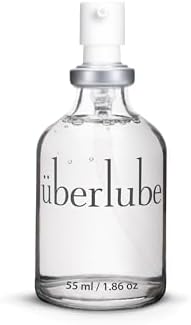

That bottle of lubricant sitting in your nightstand drawer for the past two years: is it still safe to use? The short answer is that personal lubricants do expire, and using them past their shelf life can range from mildly unpleasant to genuinely risky. Here is the science behind lubricant expiration and practical guidance on when to toss and replace.
Why Lubricants Expire
All personal lubricants have a finite shelf life because the ingredients in them change over time through chemical degradation, microbial contamination, and physical separation. Water-based lubricants are the most susceptible to expiration because water is an ideal medium for bacterial and fungal growth. The preservative system in a water-based lubricant (typically phenoxyethanol, potassium sorbate, citric acid, or parabens) is designed to suppress microbial growth for a specific period. Over time, the preservatives themselves degrade and lose effectiveness, allowing microorganisms to colonize the product. Silicone-based lubricants are more stable because silicone is inhospitable to microbial growth. However, the silicone polymers can still degrade through oxidation, especially if exposed to heat, light, or air. This degradation can change the lubricant's viscosity and feel. Oil-based lubricants, particularly those made from natural oils like coconut or jojoba, can go rancid as the fatty acids oxidize. Rancid oils develop off-odors, change color, and can irritate skin.
Typical Shelf Life by Type
- 1Water-based lubricants: 1 to 3 years from manufacture. Products with stronger preservative systems (like parabens) tend toward the longer end, while clean-formula products with gentler preservatives may have shorter shelf lives.
- 2Silicone-based lubricants: 3 to 5 years from manufacture. The chemical stability of silicone polymers gives these products the longest typical shelf life.
- 3Oil-based lubricants: 1 to 2 years from manufacture for natural oils. Refined mineral oil-based products can last longer but are less commonly recommended for intimate use.
- 4Hybrid lubricants: 1 to 3 years, similar to water-based products because the water component is the limiting factor.
- 5Organic and natural lubricants: Often 1 to 2 years, as they tend to use gentler preservative systems and more biologically active ingredients that degrade faster.
How to Find the Expiration Date
FDA-regulated personal lubricants (classified as medical devices) are required to display an expiration date or a manufactured date with a use-by period. Look for a date stamp on the bottom of the bottle, on the crimp of a tube, or on the outer packaging. The date may be formatted as MM/YYYY, YYYY-MM, or as a 'best by' date. Some products use lot codes instead of clear dates, which may require contacting the manufacturer for translation. If a product has no visible expiration date, a general rule of thumb is to replace it within one year of opening or two years of purchase, whichever comes first. Once opened, the clock accelerates because introducing air and potential contaminants each time you use the product increases the degradation rate.
Signs Your Lubricant Has Gone Bad
- 1Change in color: Yellowing, darkening, or any color shift from the original indicates chemical degradation.
- 2Change in smell: Any off-odor, sourness, or rancidity means the product should be discarded immediately.
- 3Change in texture: Separation, clumping, excessive thinning, or a stringy consistency indicates the emulsion or gel matrix has broken down.
- 4Change in performance: If the lubricant feels different than it used to, stickier, thinner, or less slippery, the active ingredients may have degraded.
- 5Visible mold or particles: Any visible contamination means the product is compromised and should be thrown away.
- 6Burning or irritation on application: If a product that previously caused no issues suddenly causes discomfort, degradation is a likely cause.
Risks of Using Expired Lubricant
Using an expired lubricant carries several risks. Compromised preservative systems allow bacterial and fungal overgrowth, which can introduce pathogens directly to vulnerable mucous membranes. This can cause urinary tract infections, yeast infections, bacterial vaginosis, or general irritation and inflammation. Degraded ingredients may also change the product's pH and osmolality, potentially disrupting vaginal flora even if visible contamination is not present. Expired silicone lubricants, while less likely to harbor pathogens, may have altered viscosity that reduces their protective lubrication, increasing friction and potential tissue damage. The safest approach is to treat the expiration date as a firm boundary, not a suggestion.
Maximizing Shelf Life
You can extend your lubricant's effective life by following proper storage practices. Keep bottles tightly sealed between uses. Store in a cool, dry, dark location away from direct sunlight and heat sources. Avoid storing lubricant in bathrooms where temperature and humidity fluctuate significantly during showers. Never introduce foreign objects or substances into the lubricant bottle, as this can introduce contaminants. If using a pump dispenser, avoid pressing the pump with dirty hands. Consider purchasing smaller bottles that you will use within a few months rather than large economy sizes that may sit for years.
Key Takeaway
Personal lubricants do expire. Water-based products last 1 to 3 years, silicone-based last 3 to 5 years, and natural oil-based products last 1 to 2 years. Using expired lubricant can introduce harmful bacteria to sensitive tissue and cause infections. Check your lubricant for changes in color, smell, texture, or performance, and replace it if any of these warning signs appear. When in doubt, throw it out and open a fresh bottle.
Medical Disclaimer
The information provided in this article is for educational and informational purposes only and is not intended as medical advice. This content does not replace professional medical consultation, diagnosis, or treatment. Always seek the advice of your physician, obstetrician, midwife, or other qualified healthcare provider with any questions you may have regarding a medical condition, pregnancy, or treatment. Never disregard professional medical advice or delay in seeking it because of something you have read on this website. If you think you may have a medical emergency, call your doctor or 911 immediately. AdultLube.com does not recommend or endorse any specific tests, physicians, products, procedures, opinions, or other information that may be mentioned in this article. Reliance on any information provided by this article is solely at your own risk.
Legal Disclaimer
This article may contain affiliate links to products on Amazon.com. As an Amazon Associate, AdultLube.com earns from qualifying purchases made through these links at no additional cost to you. The inclusion of any product recommendations does not constitute a medical endorsement. Individual results and experiences may vary. The statements made in this article have not been evaluated by the Food and Drug Administration (FDA). Products mentioned are not intended to diagnose, treat, cure, or prevent any disease or medical condition. All product claims and recommendations are based on publicly available research, manufacturer information, and user reviews. AdultLube.com assumes no liability for actions taken based on the information in this article. Laws and medical guidelines may vary by jurisdiction. Consult with a licensed healthcare professional in your area for personalized advice.