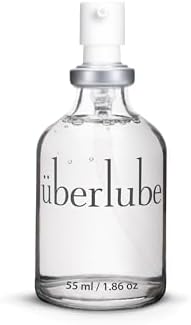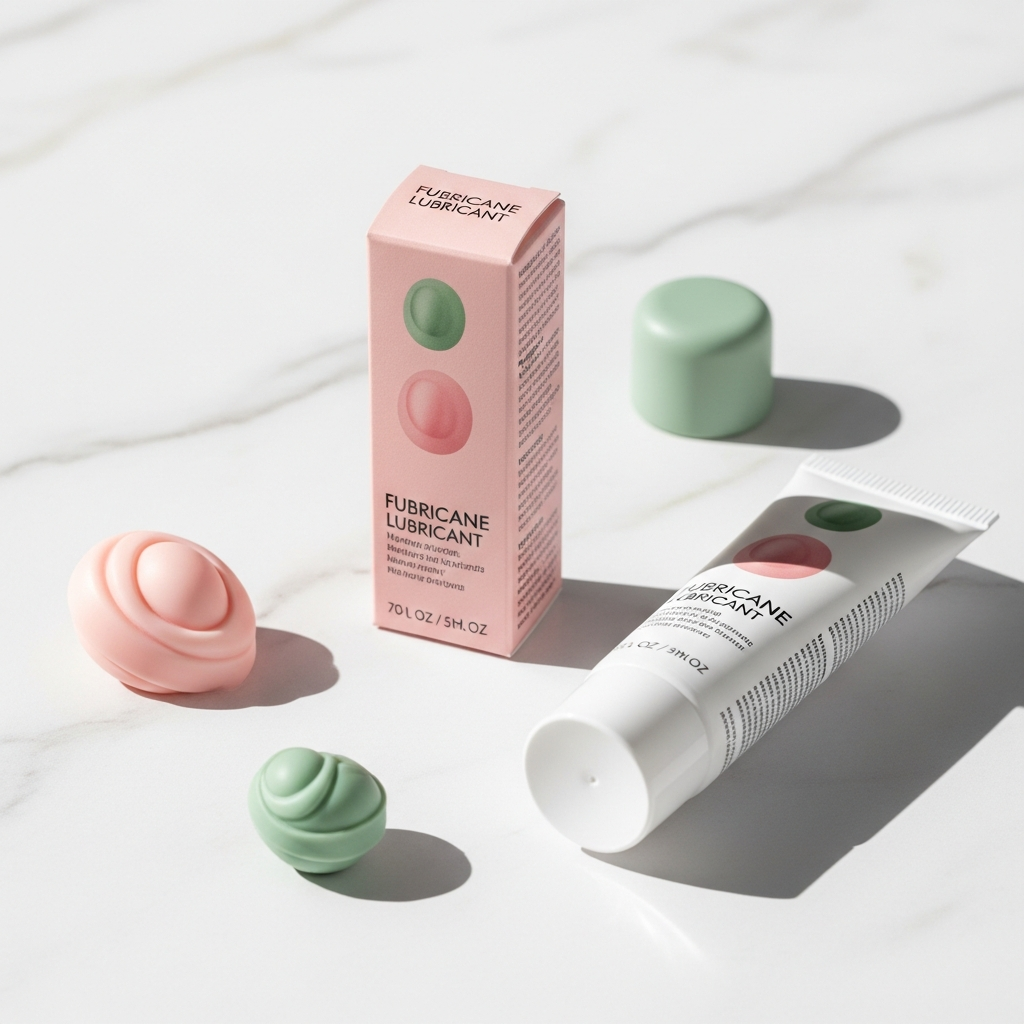

You carefully researched and selected the perfect personal lubricant for your needs, but how you store it after purchase significantly affects its safety, performance, and lifespan. Improper storage is one of the most common causes of premature lubricant degradation, and it is entirely preventable with a few simple habits. This guide covers the science of lubricant stability and practical storage recommendations for every product type.
Temperature: The Most Important Factor
Temperature is the single most impactful storage variable for personal lubricants. Chemical reactions accelerate with increasing temperature, a principle known as the Arrhenius equation in chemistry. For every 10 degrees Celsius increase in storage temperature, the rate of chemical degradation roughly doubles. This means a lubricant stored at 35 degrees Celsius (95 degrees Fahrenheit) degrades approximately twice as fast as one stored at 25 degrees Celsius (77 degrees Fahrenheit). The ideal storage temperature for most lubricants is between 15 and 25 degrees Celsius (59 to 77 degrees Fahrenheit), which corresponds to a typical climate-controlled room. Avoid storing lubricants in cars, near heating vents, on windowsills, or in any location that experiences temperature extremes. Extreme cold can also be problematic. While freezing does not typically make a lubricant unsafe, it can cause water-based products to separate or change texture permanently. Oil-based products may solidify and not fully return to their original consistency. If a lubricant has been frozen, check its texture carefully after thawing before use.
Light Exposure and Photodegradation
Ultraviolet light from sunlight and fluorescent lighting can accelerate the degradation of many lubricant ingredients through a process called photodegradation. UV photons have enough energy to break chemical bonds in organic molecules, including preservatives, botanical extracts, and some thickening agents. This is why many higher-quality lubricants are packaged in opaque or dark-colored bottles rather than clear containers. If your lubricant comes in a clear or translucent bottle, store it inside a drawer, cabinet, or nightstand rather than leaving it exposed on a countertop or shelf where it receives ambient light. Even indirect sunlight through a window can contribute to degradation over weeks and months.
Preventing Contamination
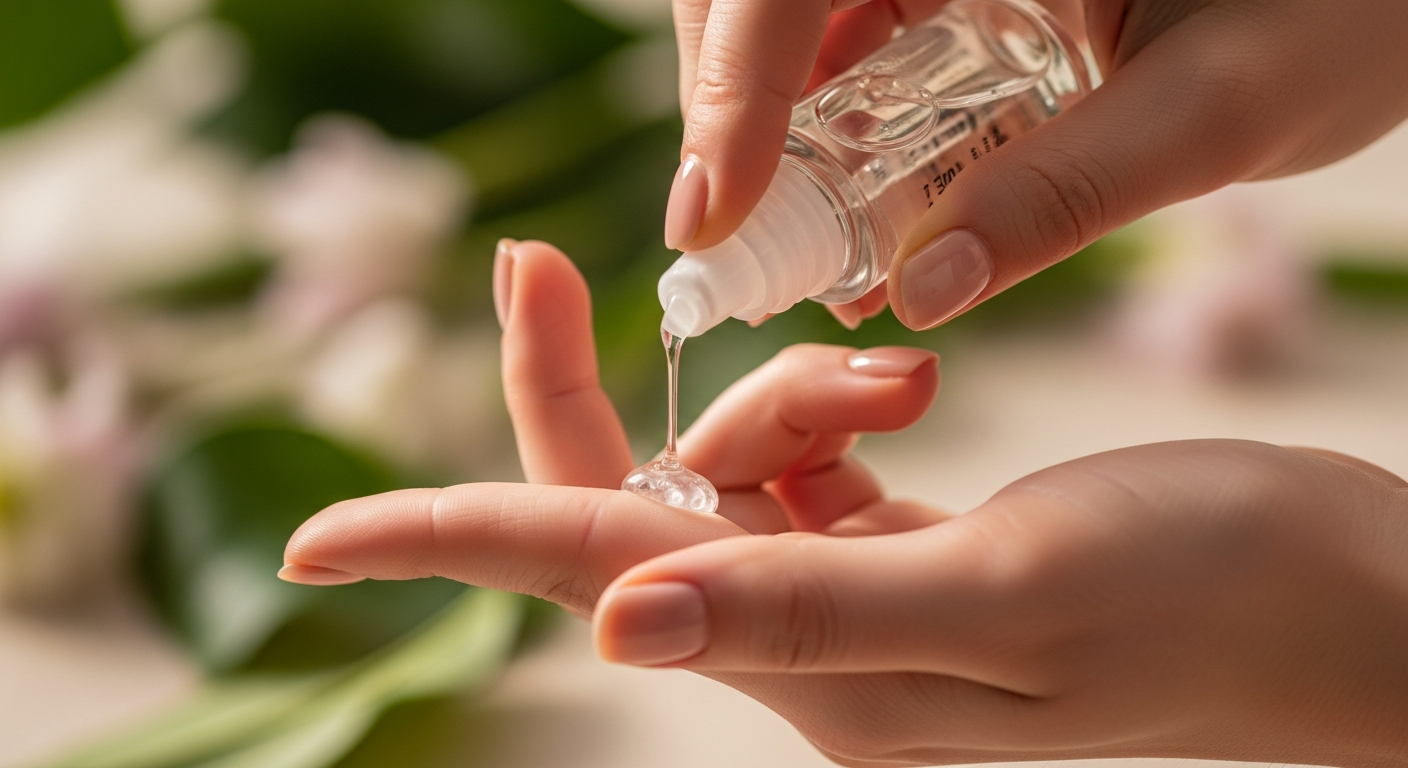
Every time you open a lubricant bottle, you introduce air and potential contaminants from the environment and your hands. Microorganisms, dust, skin cells, and other biological material can enter the product and begin to multiply, eventually overwhelming the preservative system. To minimize contamination risk, always replace the cap or close the dispenser immediately after use. Avoid touching the opening or nozzle of the bottle with your fingers or body. Never pour unused lubricant back into the bottle after it has been in contact with skin. If using a jar-style container, consider using a clean spoon or spatula to dispense the product rather than dipping fingers directly into it. Pump-style dispensers are the most hygienic packaging format because they minimize contact between the product and external contaminants. Flip-top caps are less ideal but acceptable if you are careful. Open-mouth jars present the highest contamination risk.
Humidity and Bathroom Storage
Many people instinctively store lubricants in the bathroom for convenience. However, bathrooms are among the worst storage locations for personal care products. The repeated cycles of high heat and humidity during showers followed by cooling and drying create thermal stress that accelerates chemical degradation. High humidity can also promote mold growth on the exterior of containers and around cap threads, which can then migrate into the product when the cap is opened. If bathroom storage is your only practical option, keep the lubricant in a closed cabinet or drawer rather than on an open shelf, and ensure good bathroom ventilation to minimize humidity buildup.
Storage Tips by Lubricant Type
- 1Water-based lubricants: Most sensitive to contamination and temperature. Store in a cool, dark place with the cap tightly sealed. Check for texture and smell changes monthly if the product is older than six months.
- 2Silicone-based lubricants: Most chemically stable and least sensitive to storage conditions. Still keep sealed and away from extreme heat, but less prone to microbial contamination. Glass bottles (common for premium silicone lubes) offer excellent protection against chemical interaction with the container.
- 3Oil-based and natural lubricants: Particularly sensitive to light and heat due to fatty acid oxidation. Store in the coolest, darkest available location. Coconut oil-based products may solidify below 24 degrees Celsius (76 degrees Fahrenheit), which is normal and does not indicate spoilage.
- 4Organic lubricants: Often have gentler preservative systems, making them more vulnerable to contamination. Consider refrigerator storage to maximize shelf life, especially in warmer climates. Bring to room temperature before use for comfort.
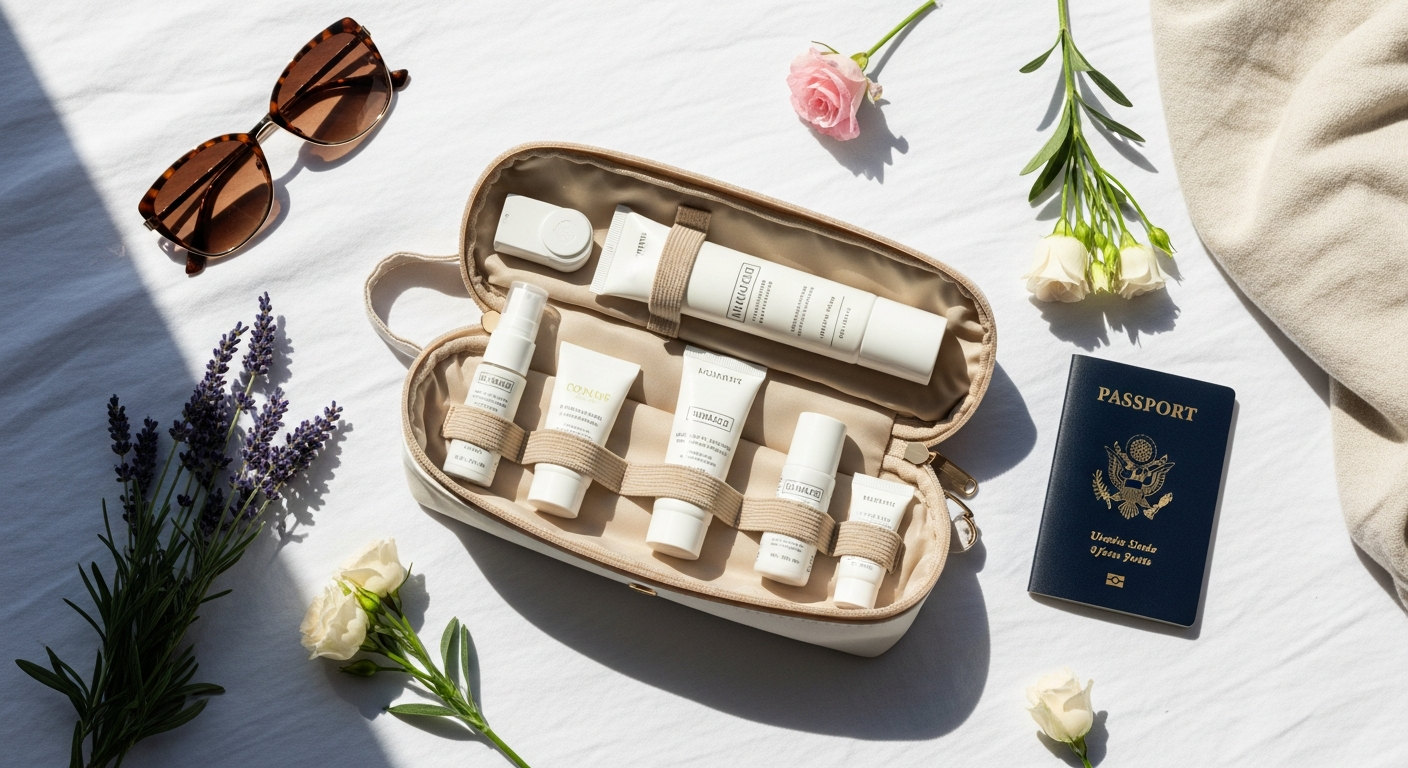
- 5Travel-size products: Single-use packets and small bottles are ideal for travel but should not be stored in hot vehicles or in direct sunlight. Keep them in a toiletry bag inside luggage rather than in an exterior pocket exposed to heat.
When to Discard Regardless of Storage
Even with perfect storage, every lubricant eventually reaches the end of its useful life. Discard any product that has passed its printed expiration date, shows any change in color, smell, or texture, has been open for more than 12 months (for water-based and oil-based products), or that has been exposed to extreme temperatures. When discarding lubricant, dispose of the product and its container according to your local waste guidelines. Most lubricant bottles are recyclable after rinsing, though you should check the recycling symbol on the container.
Key Takeaway
Store personal lubricants in a cool (15 to 25 degrees Celsius), dark, dry location with the cap tightly sealed. Avoid bathroom storage if possible due to humidity and temperature fluctuations. Use pump dispensers to minimize contamination. Water-based and organic products are the most storage-sensitive and benefit from cooler conditions. Silicone products are the most forgiving but still benefit from proper storage practices. Good storage habits can extend your product's effective life by months or even years.
Medical Disclaimer
The information provided in this article is for educational and informational purposes only and is not intended as medical advice. This content does not replace professional medical consultation, diagnosis, or treatment. Always seek the advice of your physician, obstetrician, midwife, or other qualified healthcare provider with any questions you may have regarding a medical condition, pregnancy, or treatment. Never disregard professional medical advice or delay in seeking it because of something you have read on this website. If you think you may have a medical emergency, call your doctor or 911 immediately. AdultLube.com does not recommend or endorse any specific tests, physicians, products, procedures, opinions, or other information that may be mentioned in this article. Reliance on any information provided by this article is solely at your own risk.
Legal Disclaimer
This article may contain affiliate links to products on Amazon.com. As an Amazon Associate, AdultLube.com earns from qualifying purchases made through these links at no additional cost to you. The inclusion of any product recommendations does not constitute a medical endorsement. Individual results and experiences may vary. The statements made in this article have not been evaluated by the Food and Drug Administration (FDA). Products mentioned are not intended to diagnose, treat, cure, or prevent any disease or medical condition. All product claims and recommendations are based on publicly available research, manufacturer information, and user reviews. AdultLube.com assumes no liability for actions taken based on the information in this article. Laws and medical guidelines may vary by jurisdiction. Consult with a licensed healthcare professional in your area for personalized advice.