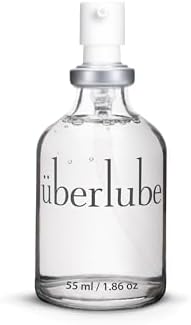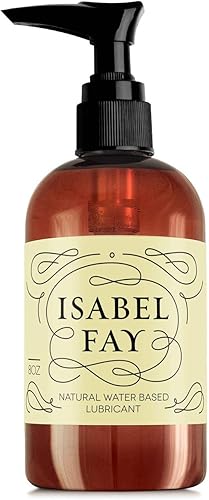

Lubricant longevity is one of the most valued performance characteristics consumers look for, and 'long-lasting' is one of the most common claims on lubricant packaging. But what actually makes one lubricant outlast another? The answer involves molecular chemistry, thermodynamics, and formulation engineering. Understanding these principles helps you evaluate product claims and choose formulas that genuinely deliver extended performance.
The Role of Base Type
The most fundamental determinant of lubricant longevity is its base type. Silicone-based lubricants are inherently long-lasting because silicone polymers (dimethicone, cyclomethicone) have extremely low vapor pressure at body temperature. This means they do not evaporate under normal conditions. The molecules sit on the skin surface and are only removed through mechanical friction, not through evaporation or absorption. This is why a small amount of silicone lubricant can last an entire intimate session. Water-based lubricants are inherently less durable because water evaporates at body temperature. The rate of evaporation depends on ambient temperature, humidity, air movement, and the surface area of the lubricant film. In a warm room with air conditioning or a fan, water-based lubricant evaporates faster. In a humid environment, it persists longer. Oil-based lubricants fall between water and silicone in longevity. Oils do not evaporate significantly at body temperature, but they are gradually absorbed by the skin, which slowly depletes the lubricating film.
Molecular Weight and Viscosity
Within each base type, molecular weight plays a significant role in longevity. Higher-molecular-weight polymers create thicker, more durable films. In silicone lubricants, high-molecular-weight dimethicone (with long polymer chains) lasts longer than low-molecular-weight cyclomethicone (which is a smaller, ring-shaped molecule that does eventually evaporate). Premium silicone lubricants typically use high-molecular-weight dimethicone or a blend of molecular weights to balance feel and longevity. In water-based lubricants, viscosity (thickness) correlates with longevity. Gel-style formulations with higher concentrations of thickening agents like hydroxyethylcellulose or xanthan gum create a thicker film that resists evaporation and mechanical displacement better than thin, watery formulas. However, there is a trade-off: thicker lubricants may feel less natural than thinner ones.
Humectant Chemistry
Humectants are ingredients that attract and retain water molecules. In water-based lubricants, they are a primary strategy for extending longevity. Glycerin is the most common humectant in lubricant formulations. It draws moisture from the surrounding environment and from deeper skin layers, helping to keep the lubricant film hydrated longer. However, glycerin can have drawbacks for some users, including contributing to yeast infections and elevated osmolality. Hyaluronic acid is an increasingly popular alternative humectant. Each hyaluronic acid molecule can hold up to 1,000 times its weight in water, making it extraordinarily effective at moisture retention. Lubricants formulated with hyaluronic acid tend to maintain hydration significantly longer than those without it, and hyaluronic acid is naturally produced by the body, making it generally well-tolerated. Propylene glycol is another humectant used in some formulations, though it is more likely to cause irritation in sensitive individuals than glycerin or hyaluronic acid.
Film-Forming Technology
Some advanced lubricant formulations use film-forming polymers that create a structured, cohesive layer on the skin rather than simply spreading out like a liquid. These polymers, which can include polyquaternium compounds or modified cellulose derivatives, create a film with greater structural integrity that resists being wiped away by friction. The result is a lubricant that stays where you put it rather than migrating away from the point of application. This technology is particularly valuable in gel-style water-based products designed for anal use, where the lubricant needs to remain in place rather than flowing away from the application site.
Factors That Marketing Doesn't Mention
- 1Body heat accelerates evaporation of water-based products. During vigorous activity, skin surface temperatures can rise several degrees above resting levels, significantly increasing the evaporation rate.
- 2Natural lubrication production varies dramatically between individuals and even within the same individual depending on hydration, hormonal status, arousal level, and medications. People who produce more natural lubrication effectively supplement the applied product.
- 3Application method matters. Lubricant applied in a single thick layer lasts longer than the same amount spread thinly over a large area, because the thicker film has a lower surface-area-to-volume ratio and therefore evaporates more slowly.
- 4Condom material affects lubricant absorption. Polyisoprene and polyurethane condoms absorb less lubricant than latex, potentially extending the effective lubrication period.
- 5Saliva, while sometimes used as an impromptu lubricant, actually accelerates the drying of applied lubricant because it introduces digestive enzymes that can break down some thickening agents.

Evaluating 'Long-Lasting' Claims
When a lubricant label says 'long-lasting,' there is no standardized definition or testing protocol backing that claim. Different manufacturers may use different benchmarks, and many use the term as relative marketing rather than an absolute performance specification. The most reliable indicators of actual longevity are the base type (silicone lasts longest), the viscosity (thicker formulas within the same base type last longer), and the specific humectant system used (hyaluronic acid outperforms glycerin for moisture retention without the associated drawbacks). User reviews that specifically mention reapplication frequency can also be more informative than manufacturer claims.
Key Takeaway
Lubricant longevity is determined by base type (silicone lasts longest because it does not evaporate), molecular weight of the polymers used (higher molecular weight creates more durable films), viscosity (thicker gels outlast thin liquids), and humectant choice (hyaluronic acid is the most effective at retaining moisture). When evaluating 'long-lasting' claims, look at the base type and ingredient list rather than marketing language.
Medical Disclaimer
The information provided in this article is for educational and informational purposes only and is not intended as medical advice. This content does not replace professional medical consultation, diagnosis, or treatment. Always seek the advice of your physician, obstetrician, midwife, or other qualified healthcare provider with any questions you may have regarding a medical condition, pregnancy, or treatment. Never disregard professional medical advice or delay in seeking it because of something you have read on this website. If you think you may have a medical emergency, call your doctor or 911 immediately. AdultLube.com does not recommend or endorse any specific tests, physicians, products, procedures, opinions, or other information that may be mentioned in this article. Reliance on any information provided by this article is solely at your own risk.
Legal Disclaimer
This article may contain affiliate links to products on Amazon.com. As an Amazon Associate, AdultLube.com earns from qualifying purchases made through these links at no additional cost to you. The inclusion of any product recommendations does not constitute a medical endorsement. Individual results and experiences may vary. The statements made in this article have not been evaluated by the Food and Drug Administration (FDA). Products mentioned are not intended to diagnose, treat, cure, or prevent any disease or medical condition. All product claims and recommendations are based on publicly available research, manufacturer information, and user reviews. AdultLube.com assumes no liability for actions taken based on the information in this article. Laws and medical guidelines may vary by jurisdiction. Consult with a licensed healthcare professional in your area for personalized advice.