If you are navigating menopause-related vaginal dryness, you have probably already discovered that not all lubricants are created equal. The product that served you well for years may now feel inadequate, irritating, or short-lived. That is because menopausal tissue has fundamentally different needs than well-estrogenized tissue. Finding the right product means understanding what those needs are and knowing which formulations are designed to meet them. This guide breaks down the types of lubricants and moisturizers that work best for menopause-related dryness.
Understanding What Menopausal Tissue Needs
After menopause, the permanent reduction in estrogen causes the vaginal lining to thin, lose elasticity, and produce significantly less natural moisture. The tissue becomes more fragile, more prone to micro-tears during friction, and more sensitive to chemical irritants. The vaginal pH also shifts from its premenopausal acidic range toward a more alkaline state, which can increase vulnerability to infections. An effective lubricant for this stage needs to provide lasting moisture, protective cushioning, and gentle ingredients that will not exacerbate sensitivity.
Water-Based Lubricants: Versatile but May Need Reapplication
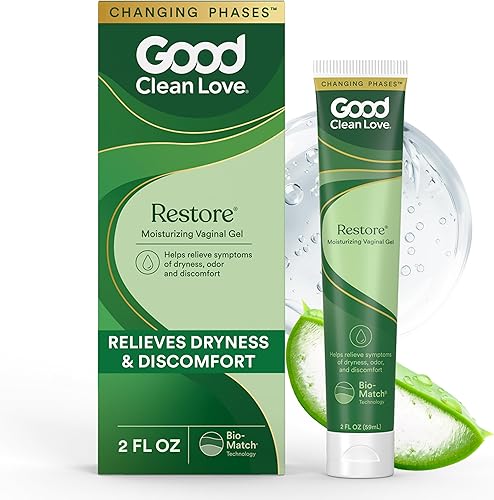
Water-based lubricants remain the most versatile option — they are compatible with condoms, all toy materials, and are easy to clean. For menopausal women, the best water-based options are those formulated without glycerin, parabens, or fragrances. Glycerin can contribute to yeast growth in the more alkaline menopausal environment, and fragrances are more likely to cause irritation on thin tissue. The downside of water-based formulas is that they absorb into tissue and evaporate, which means they may need reapplication during extended intimacy. Look for thicker, gel-like water-based products that provide more cushioning and stay effective longer than thin, liquid formulas.
Silicone-Based Lubricants: Long-Lasting Protection
Silicone-based lubricants are often the preferred choice for menopausal women because they do not absorb into tissue or evaporate. They form a thin, silky barrier on the surface that provides lasting glide and protects fragile tissue from friction-related damage. A small amount goes a long way, and they maintain their effectiveness without reapplication. Silicone lubricants are also hypoallergenic — medical-grade silicone is one of the most biocompatible materials available. The main limitation is that silicone-based products are not compatible with silicone toys, and some women find them harder to clean up than water-based options. They also do not provide hydration to the tissue itself — they protect the surface but do not address the underlying dryness.
Hyaluronic Acid Products: Therapeutic Hydration
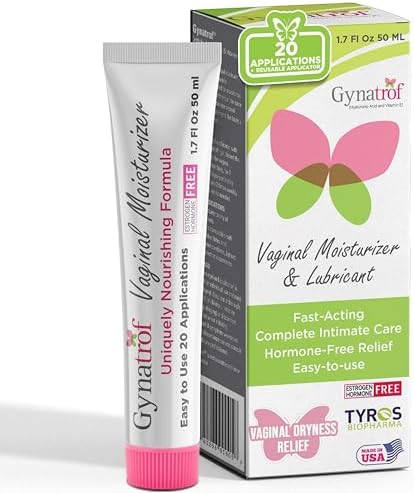
Hyaluronic acid has become a standout ingredient in vaginal care for menopausal women. This naturally occurring substance can hold up to 1,000 times its weight in water, making it exceptionally effective at providing deep, lasting hydration. Unlike standard lubricants that just provide surface slipperiness, hyaluronic acid products actually help the tissue retain moisture over time. Many gynecologists now recommend hyaluronic acid-based vaginal moisturizers as a hormone-free alternative for maintaining tissue health. These products are typically used regularly — every two to three days — rather than just before intimacy, and they can meaningfully improve tissue hydration, elasticity, and comfort with consistent use.
- 1Look for: Hyaluronic acid for deep, lasting hydration that supports tissue health.
- 2Look for: pH balanced between 3.8 and 4.5 to match the natural vaginal environment and protect against infections.
- 3Look for: Low osmolality — products that are iso-osmolar or hypo-osmolar do not draw moisture out of already-dry tissue.
- 4Look for: Medical-grade silicone if choosing a silicone-based product — it is the purest and least likely to cause reactions.
- 5Avoid: Glycerin, which can promote yeast overgrowth in the more alkaline menopausal vaginal environment.
- 6Avoid: Parabens, fragrances, warming or cooling agents, and propylene glycol — all potential irritants on sensitive tissue.
- 7Avoid: Products marketed with claims that seem too good to be true — stick with clinically tested, gynecologist-recommended formulations.
The Two-Product Strategy
The most effective approach for menopausal dryness is using two products with complementary roles. A vaginal moisturizer with hyaluronic acid, used regularly every two to three days, maintains baseline tissue hydration and health. A separate lubricant — either water-based or silicone-based — is then applied before and during intimacy for immediate comfort and glide. This approach addresses both the ongoing tissue health issue and the in-the-moment lubrication need. Many gynecologists now recommend this combination as a first-line approach before considering prescription therapies.
When Over-the-Counter Is Not Enough
If you have tried quality lubricants and moisturizers and are still experiencing significant discomfort, it may be time to discuss prescription options with your healthcare provider. Low-dose vaginal estrogen — available as creams, suppositories, rings, or tablets — can restore tissue thickness and moisture production with very low systemic absorption. Newer options like ospemifene (an oral medication) and prasterone (a vaginal DHEA insert) offer additional alternatives. There is no reason to accept discomfort as an inevitable part of menopause.
Key Takeaway
The best lubricants for menopause-related dryness are those specifically formulated for sensitive, hormonally-changed tissue: free from glycerin, parabens, and fragrances, with a balanced pH and ideally containing hydrating ingredients like hyaluronic acid. A two-product approach — regular moisturizer plus intimacy lubricant — provides the most comprehensive relief. If over-the-counter products are not enough, prescription options are safe and effective.
Medical Disclaimer
The information provided in this article is for educational and informational purposes only and is not intended as medical advice. This content does not replace professional medical consultation, diagnosis, or treatment. Always seek the advice of your physician, obstetrician, midwife, or other qualified healthcare provider with any questions you may have regarding a medical condition, pregnancy, or treatment. Never disregard professional medical advice or delay in seeking it because of something you have read on this website. If you think you may have a medical emergency, call your doctor or 911 immediately. AdultLube.com does not recommend or endorse any specific tests, physicians, products, procedures, opinions, or other information that may be mentioned in this article. Reliance on any information provided by this article is solely at your own risk.
Legal Disclaimer
This article may contain affiliate links to products on Amazon.com. As an Amazon Associate, AdultLube.com earns from qualifying purchases made through these links at no additional cost to you. The inclusion of any product recommendations does not constitute a medical endorsement. Individual results and experiences may vary. The statements made in this article have not been evaluated by the Food and Drug Administration (FDA). Products mentioned are not intended to diagnose, treat, cure, or prevent any disease or medical condition. All product claims and recommendations are based on publicly available research, manufacturer information, and user reviews. AdultLube.com assumes no liability for actions taken based on the information in this article. Laws and medical guidelines may vary by jurisdiction. Consult with a licensed healthcare professional in your area for personalized advice.