You have probably seen the term pH-balanced on lubricant packaging or in wellness articles, but what does it actually mean for your body? The pH of your vaginal environment is not just a number on a chemistry scale. It is an active defense system, a sign of microbial health, and a factor that directly influences whether a lubricant will feel comfortable or cause problems. Understanding vaginal pH can help you make significantly better choices about the products you use intimately.
What Is pH and What Does It Measure?
The pH scale runs from 0 to 14, where 0 is extremely acidic, 7 is neutral, and 14 is extremely alkaline. The healthy vaginal environment is acidic, typically sitting between 3.8 and 4.5 on the pH scale. For context, this is roughly the acidity of a tomato or a glass of wine. This acidic environment is not a flaw or a problem to correct. It is a carefully maintained condition created by beneficial Lactobacillus bacteria. These bacteria metabolize glycogen from vaginal epithelial cells and produce lactic acid and hydrogen peroxide as byproducts. The resulting acidic environment suppresses the growth of pathogenic organisms like Candida albicans, Gardnerella vaginalis, and Escherichia coli, all of which thrive in more neutral or alkaline conditions.
How pH Protects Against Infections
The acidic vaginal pH serves as a first line of biological defense. When pH rises above 4.5, the protective Lactobacillus population declines and opportunistic organisms gain a foothold. Research published in BMC Infectious Diseases has shown that women with a vaginal pH above 4.5 are significantly more likely to develop bacterial vaginosis, a condition characterized by fishy odor, thin grayish discharge, and discomfort. Elevated pH is also associated with increased susceptibility to sexually transmitted infections, including chlamydia, gonorrhea, and HIV, according to studies reviewed by the National Institutes of Health. Maintaining the naturally acidic environment is therefore not just about comfort. It is a meaningful component of reproductive and sexual health.

What Can Disrupt Vaginal pH?
- 1Semen: Semen has a pH between 7.2 and 8.0, making it quite alkaline relative to the vaginal environment. After intercourse, the vaginal pH temporarily rises and typically returns to normal within several hours, but frequent exposure can create a sustained shift in susceptible individuals.
- 2Menstrual blood: Blood has a neutral pH of approximately 7.4, and menstruation temporarily raises vaginal pH. This is one reason yeast infections and bacterial vaginosis sometimes coincide with the menstrual cycle.
- 3Douching: The practice of rinsing the vaginal canal with water, vinegar, or commercial solutions disrupts the natural microbial balance and is strongly discouraged by major medical organizations including the American College of Obstetricians and Gynecologists.
- 4Antibiotics: Broad-spectrum antibiotics can kill beneficial Lactobacillus bacteria along with the targeted infection, temporarily reducing lactic acid production and raising pH.
- 5Hormonal changes: Estrogen supports glycogen production in vaginal epithelial cells. During perimenopause, menopause, postpartum, and breastfeeding, declining estrogen can reduce the substrate that Lactobacillus needs to produce lactic acid.
- 6Lubricants and personal care products: Products with a pH significantly higher than 4.5 can directly shift the vaginal environment toward a less protective state.
Why Lubricant pH Matters
When you apply a lubricant to vaginal tissue, you are introducing a solution with its own pH directly into the vaginal ecosystem. If that product has a pH of 6, 7, or higher, it temporarily neutralizes the acidic environment that your Lactobacillus bacteria work hard to maintain. A single use of a high-pH lubricant may not cause noticeable problems, but regular use over time can create a chronic shift that weakens the body's natural defenses. The World Health Organization's 2012 advisory on personal lubricants specifically recommended that lubricants intended for vaginal use should have a pH between 3.8 and 4.5 to match the natural environment. Unfortunately, many commercially available lubricants have a pH well above this range. Some popular brands test as high as 7.0 or even 7.5, placing them firmly in neutral territory.
How to Check a Lubricant's pH
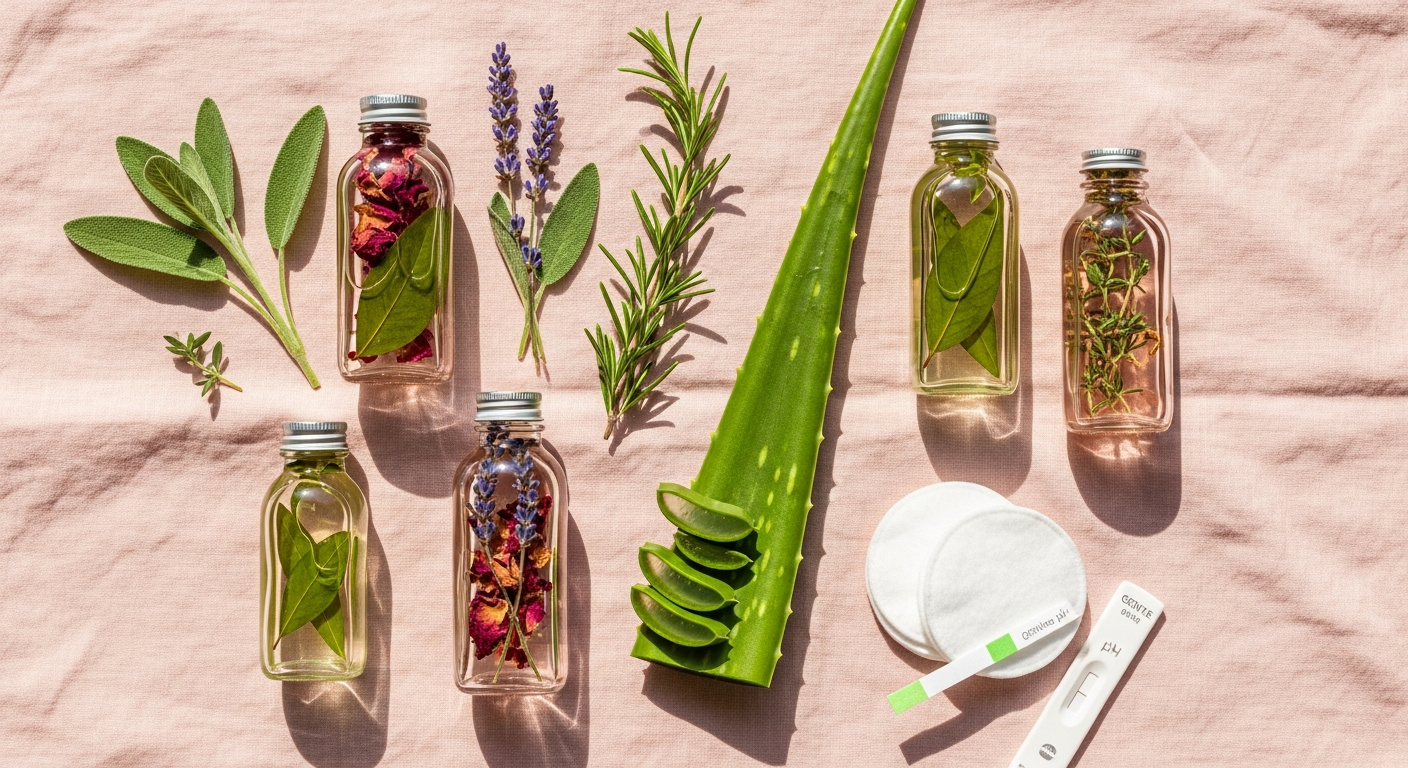
Most lubricant brands do not print the pH value on their packaging, which makes informed decision-making more difficult. However, there are several approaches you can take. Some manufacturers publish pH values on their websites, in product FAQ sections, or in response to direct customer service inquiries. Independent testing results are sometimes available through reproductive health research organizations. You can also test the pH of a lubricant at home using inexpensive pH test strips available at pharmacies or online. Simply apply a small amount of the product to a test strip and compare the resulting color to the scale provided. Products that market themselves as pH-balanced or bio-matched are more likely to fall within the recommended range, but verifying with a test strip is the only way to be certain.
pH Considerations for Different Life Stages
Your ideal lubricant pH may vary depending on your life stage. During reproductive years, a vaginal pH lubricant in the 3.8 to 4.5 range is generally appropriate. During menopause, when vaginal pH naturally rises due to declining estrogen, a lubricant in this same acidic range can actually help support a healthier environment by compensating for the body's reduced lactic acid production. For rectal use, which has a different biological context, the WHO recommends a more neutral pH between 5.5 and 7.0, since rectal tissue has a near-neutral pH and does not benefit from acidic conditions. This distinction matters because using a highly acidic lubricant rectally could cause irritation, while a neutral-pH lubricant vaginally could undermine the acidic defense system.
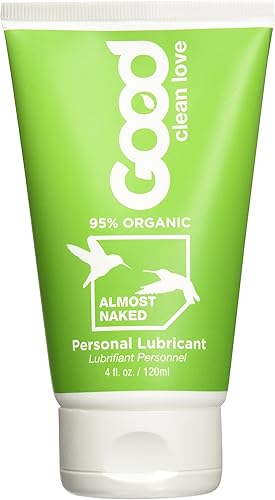
Choosing a pH-Compatible Lubricant
When shopping for a vaginal lubricant, prioritize products that explicitly state their pH and target the 3.8 to 4.5 range. Water-based lubricants made with aloe vera or hyaluronic acid often have formulations closer to this ideal, particularly those from brands that emphasize reproductive health science. Silicone-based lubricants are pH-neutral from a practical standpoint because they sit on the tissue surface rather than being absorbed, so they generally do not alter vaginal pH. If you have a history of recurrent yeast infections, bacterial vaginosis, or urinary tract infections, paying attention to lubricant pH is particularly important and worth discussing with your gynecologist or healthcare provider.
Key Takeaway
Your vaginal pH of 3.8 to 4.5 is a critical defense mechanism maintained by beneficial bacteria. The lubricant you choose should support this environment, not undermine it. Look for products with a pH matched to the vaginal range, avoid douching, and consider testing your lubricant's pH at home with inexpensive test strips. For rectal use, choose a different product formulated for that tissue's neutral pH.
Medical Disclaimer
The information provided in this article is for educational and informational purposes only and is not intended as medical advice. This content does not replace professional medical consultation, diagnosis, or treatment. Always seek the advice of your physician, obstetrician, midwife, or other qualified healthcare provider with any questions you may have regarding a medical condition, pregnancy, or treatment. Never disregard professional medical advice or delay in seeking it because of something you have read on this website. If you think you may have a medical emergency, call your doctor or 911 immediately. AdultLube.com does not recommend or endorse any specific tests, physicians, products, procedures, opinions, or other information that may be mentioned in this article. Reliance on any information provided by this article is solely at your own risk.
Legal Disclaimer
This article may contain affiliate links to products on Amazon.com. As an Amazon Associate, AdultLube.com earns from qualifying purchases made through these links at no additional cost to you. The inclusion of any product recommendations does not constitute a medical endorsement. Individual results and experiences may vary. The statements made in this article have not been evaluated by the Food and Drug Administration (FDA). Products mentioned are not intended to diagnose, treat, cure, or prevent any disease or medical condition. All product claims and recommendations are based on publicly available research, manufacturer information, and user reviews. AdultLube.com assumes no liability for actions taken based on the information in this article. Laws and medical guidelines may vary by jurisdiction. Consult with a licensed healthcare professional in your area for personalized advice.