Flip over nearly any bottle of water-based personal lubricant and there is a good chance you will see glycerin, also listed as glycerol, somewhere on the ingredient list. It is one of the most widely used compounds in personal care products across the board, from moisturizers and toothpaste to lubricants and pharmaceutical preparations. For many people, glycerin-containing lubricants work perfectly well. But for others, particularly those prone to yeast infections or those with sensitive vaginal tissue, glycerin can be a genuine source of discomfort. The reality is more nuanced than a simple thumbs-up or thumbs-down.
What Glycerin Actually Is
Glycerin, or glycerol, is a colorless, odorless, viscous liquid classified as a sugar alcohol. It occurs naturally in all animal and vegetable fats and oils as a component of triglycerides. In lubricant manufacturing, it serves several important functions. It acts as a humectant, meaning it attracts and retains moisture, which contributes to the slippery, wet texture that makes water-based lubricants feel effective. It also improves the viscosity and mouthfeel of a product, making it smoother and less watery. Glycerin can be derived from plant sources like soy, palm, or coconut oil, or it can be synthetically produced as a petroleum byproduct. In either case, the chemical structure is identical, and the body does not distinguish between naturally derived and synthetic glycerin.
The Yeast Connection
The primary concern about glycerin in vaginal lubricants centers on its potential relationship with Candida, the yeast organism responsible for vaginal yeast infections. Because glycerin is a sugar alcohol, there has long been a theory that it could serve as a food source for Candida organisms, promoting their overgrowth in the vaginal environment. Research on this topic is not entirely conclusive, but there is enough evidence to take the concern seriously. A study published in the journal Sexually Transmitted Diseases found that lubricants containing glycerin promoted the growth of Candida albicans in laboratory conditions. While in vitro results do not always translate directly to clinical outcomes, many gynecologists and reproductive health specialists now recommend glycerin-free formulas for patients who experience recurrent yeast infections. If you get more than three or four yeast infections per year, switching to a glycerin-free lubricant is a reasonable step to discuss with your healthcare provider.
Glycerin and Osmolality
Beyond the yeast question, glycerin significantly affects a lubricant's osmolality, or the concentration of dissolved particles in the formula. Glycerin is a potent osmotic agent. When present in high concentrations, it creates a hyperosmolar solution that draws water out of epithelial cells through osmosis. This cellular dehydration can damage the mucosal lining and paradoxically leave tissue feeling drier after the initial lubrication fades. The World Health Organization's 2012 advisory on personal lubricants highlighted this issue specifically, noting that many glycerin-containing products exceeded the recommended osmolality threshold of 1,200 mOsm per kilogram by a considerable margin. Some popular lubricants tested as high as 6,000 to 10,000 mOsm per kilogram, with glycerin as a primary contributor to those extreme values.
When Glycerin Is Probably Fine
It is important to avoid overgeneralizing. Glycerin is not universally harmful, and many people use glycerin-containing lubricants without any adverse effects. If you have no history of recurrent yeast infections, no pattern of post-lubricant irritation, and no particular sensitivity to sugar alcohols, a moderate amount of glycerin in a lubricant is unlikely to cause problems. The dose and formulation context matter considerably. A lubricant with glycerin listed as the fifth or sixth ingredient, present at a low concentration in a well-formulated product, is very different from one where glycerin appears as the second ingredient after water. Products that maintain a low overall osmolality despite including some glycerin can still be comfortable for many users.
When to Choose Glycerin-Free
- 1You experience recurrent yeast infections, defined as three or more per year, particularly if they seem to coincide with lubricant use.
- 2You notice a burning, stinging, or sticky-dry feeling during or after using water-based lubricants.
- 3You have been diagnosed with vulvodynia, vestibulodynia, or chronic vulvar sensitivity.
- 4You are currently being treated for a vaginal infection and want to minimize variables that could slow recovery.
- 5You have noticed that the lubricant seems to dry up quickly and leave you feeling drier than before application, a hallmark of hyperosmolar formulas.
- 6Your healthcare provider has specifically recommended avoiding glycerin-containing products.
Reading Labels Effectively
When shopping for glycerin-free lubricants, read the full ingredient list rather than relying on front-of-package marketing claims. Glycerin may also appear under the names glycerol, vegetable glycerin, or glycerine. Some products marketed as natural or organic still contain glycerin, since it can be derived from plant sources. The position of glycerin on the ingredient list gives you information about its concentration: ingredients are listed in descending order of quantity, so glycerin listed second or third is present at a much higher concentration than glycerin listed seventh or eighth. Also be aware that some glycerin-free lubricants substitute propylene glycol, another humectant that can cause similar osmolality issues and tissue irritation in sensitive individuals.
Alternatives to Glycerin in Lubricants
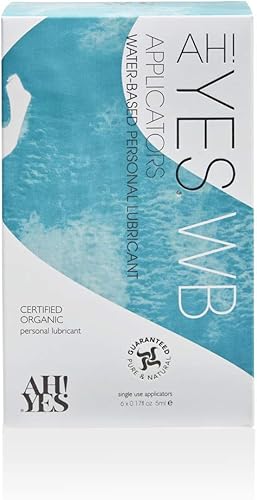
Formulation science has advanced considerably, and there are now many effective lubricants that achieve a slippery, long-lasting texture without relying on glycerin. Plant cellulose-based formulas use hydroxyethylcellulose as a thickener and glide agent. Aloe vera-based lubricants use the natural mucilaginous properties of aloe to provide viscosity and moisture. Hyaluronic acid, a molecule naturally produced by the body, provides moisture retention without the osmolality problems associated with glycerin. Silicone-based lubricants avoid the issue entirely since they contain no water-soluble humectants at all. Each of these alternatives has its own profile of advantages and limitations, but all offer viable paths for people who need to avoid glycerin.
Key Takeaway
Glycerin is not inherently harmful, but it can be problematic for people prone to yeast infections or those with sensitive vaginal tissue. Its primary risks are feeding Candida organisms and increasing the osmolality of lubricant formulas, both of which can cause irritation and discomfort. If you experience recurring issues, switching to a glycerin-free lubricant with low osmolality is a well-supported, evidence-based step.
Medical Disclaimer
The information provided in this article is for educational and informational purposes only and is not intended as medical advice. This content does not replace professional medical consultation, diagnosis, or treatment. Always seek the advice of your physician, obstetrician, midwife, or other qualified healthcare provider with any questions you may have regarding a medical condition, pregnancy, or treatment. Never disregard professional medical advice or delay in seeking it because of something you have read on this website. If you think you may have a medical emergency, call your doctor or 911 immediately. AdultLube.com does not recommend or endorse any specific tests, physicians, products, procedures, opinions, or other information that may be mentioned in this article. Reliance on any information provided by this article is solely at your own risk.
Legal Disclaimer
This article may contain affiliate links to products on Amazon.com. As an Amazon Associate, AdultLube.com earns from qualifying purchases made through these links at no additional cost to you. The inclusion of any product recommendations does not constitute a medical endorsement. Individual results and experiences may vary. The statements made in this article have not been evaluated by the Food and Drug Administration (FDA). Products mentioned are not intended to diagnose, treat, cure, or prevent any disease or medical condition. All product claims and recommendations are based on publicly available research, manufacturer information, and user reviews. AdultLube.com assumes no liability for actions taken based on the information in this article. Laws and medical guidelines may vary by jurisdiction. Consult with a licensed healthcare professional in your area for personalized advice.