You survived pregnancy, labor, and those sleepless first weeks. Now your body is healing, your hormones are recalibrating, and at some point the topic of intimacy comes back into focus. For many new parents, that moment is met with an unwelcome surprise: significant vaginal dryness that makes sex uncomfortable or even painful. If this is happening to you, it is completely normal, it is temporary, and there are straightforward ways to address it.
Why Postpartum Dryness Happens
During pregnancy, estrogen levels climb to levels far higher than at any other point in your life. After delivery, those levels plummet — often within 24 to 48 hours. Estrogen is the primary hormone responsible for maintaining vaginal moisture, tissue elasticity, and blood flow to the vaginal walls. When it drops suddenly, the tissues that line the vaginal canal become thinner, less elastic, and produce far less natural lubrication. This is the same mechanism that causes vaginal dryness during menopause, but in the postpartum period it happens abruptly rather than gradually. The result is tissue that feels dry, tight, and sometimes fragile.
Breastfeeding Makes It Worse
If you are breastfeeding, the dryness is likely to be more pronounced and last longer. Breastfeeding triggers the release of prolactin, the hormone that stimulates milk production. Prolactin actively suppresses estrogen, keeping your levels low for as long as you continue nursing. Many breastfeeding mothers report that vaginal dryness persists for the entire duration of breastfeeding and sometimes for several weeks after weaning. This is not a sign that something is wrong — it is your body prioritizing milk production over reproductive readiness.
How Long Does Postpartum Dryness Last?
For mothers who are not breastfeeding, estrogen levels typically begin to recover within a few weeks to a couple of months after delivery, and vaginal moisture gradually returns. For breastfeeding mothers, dryness can persist for six months, a year, or even longer depending on how long nursing continues. Every body recovers on its own timeline. If dryness persists well after you have stopped breastfeeding, or if it is accompanied by pain, itching, or unusual discharge, consult your healthcare provider to rule out other causes.
What Actually Helps
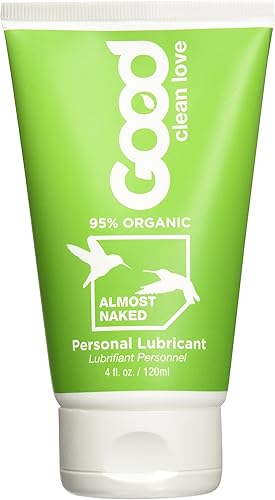
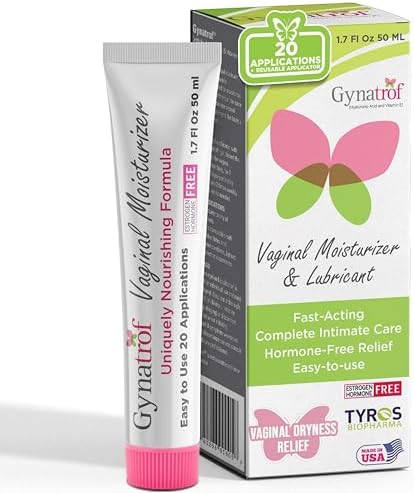
The single most effective immediate solution is using a high-quality personal lubricant. A water-based, fragrance-free lubricant applied before and during intimacy can dramatically improve comfort. Look for products that are free from glycerin, parabens, and added fragrances, as postpartum tissue can be especially sensitive to irritants. If dryness is affecting your daily comfort and not just intimacy, a vaginal moisturizer used several times per week can help restore baseline hydration to the tissue.
- 1Use a water-based lubricant generously every time you are intimate — there is no reason to try to go without during this phase.
- 2Consider a vaginal moisturizer like Replens or Good Clean Love Restore for ongoing hydration between intimate moments.
- 3Stay well hydrated by drinking plenty of water throughout the day, especially if breastfeeding.
- 4Allow extra time for foreplay and arousal, as your body may need longer to respond than it did before pregnancy.
- 5Communicate openly with your partner about what feels good and what does not — this is a temporary phase and patience matters.
- 6Avoid harsh soaps, douches, and scented products in the genital area, as these strip away what little natural moisture your body is producing.
- 7Wear breathable cotton underwear and avoid tight clothing that can cause friction against dry tissue.
When to See Your Provider
Postpartum dryness is expected, but certain symptoms warrant a visit to your OB/GYN or midwife. If you experience persistent pain during intercourse that does not improve with lubricant, bleeding after sex, signs of infection such as unusual discharge or odor, or dryness that continues for months after weaning, your provider can evaluate whether additional treatment is needed. In some cases, a low-dose topical estrogen cream may be recommended, which is considered safe even during breastfeeding in many situations. Your provider is the right person to make that call.
Key Takeaway
Vaginal dryness after having a baby is one of the most common postpartum experiences, driven by the sudden drop in estrogen after delivery and prolonged by breastfeeding. It is temporary and treatable. A high-quality water-based lubricant is the simplest and most effective first step toward comfortable intimacy. Give yourself grace, communicate with your partner, and know that your body will find its new normal.
Medical Disclaimer
The information provided in this article is for educational and informational purposes only and is not intended as medical advice. This content does not replace professional medical consultation, diagnosis, or treatment. Always seek the advice of your physician, obstetrician, midwife, or other qualified healthcare provider with any questions you may have regarding a medical condition, pregnancy, or treatment. Never disregard professional medical advice or delay in seeking it because of something you have read on this website. If you think you may have a medical emergency, call your doctor or 911 immediately. AdultLube.com does not recommend or endorse any specific tests, physicians, products, procedures, opinions, or other information that may be mentioned in this article. Reliance on any information provided by this article is solely at your own risk.
Legal Disclaimer
This article may contain affiliate links to products on Amazon.com. As an Amazon Associate, AdultLube.com earns from qualifying purchases made through these links at no additional cost to you. The inclusion of any product recommendations does not constitute a medical endorsement. Individual results and experiences may vary. The statements made in this article have not been evaluated by the Food and Drug Administration (FDA). Products mentioned are not intended to diagnose, treat, cure, or prevent any disease or medical condition. All product claims and recommendations are based on publicly available research, manufacturer information, and user reviews. AdultLube.com assumes no liability for actions taken based on the information in this article. Laws and medical guidelines may vary by jurisdiction. Consult with a licensed healthcare professional in your area for personalized advice.