Most women know about menopause, but perimenopause — the transitional years leading up to it — often catches people off guard. It can begin as early as your mid-30s and last anywhere from four to ten years. During this time, your ovaries gradually produce less estrogen, and the fluctuations can be dramatic. One of the earliest and most noticeable effects is a change in vaginal moisture. If you have started noticing dryness, irritation, or discomfort during intimacy that seems new, perimenopause may be the reason.
What Is Perimenopause, Exactly?
Perimenopause is not a disease or a disorder. It is the natural biological transition your body makes as it moves from reproductive years toward menopause. Menopause itself is defined as the point when you have gone 12 consecutive months without a menstrual period. Everything leading up to that point is perimenopause. During this transition, your ovaries do not simply turn off like a switch. Instead, estrogen production becomes erratic — sometimes surging higher than normal, sometimes dropping significantly. These unpredictable fluctuations are what cause the wide range of symptoms women experience, from irregular periods and hot flashes to mood changes and vaginal dryness.
How Estrogen Decline Affects Vaginal Tissue
Estrogen plays a critical role in maintaining the health of vaginal tissue. It stimulates blood flow to the vaginal walls, supports the production of natural lubrication, maintains the thickness and elasticity of the vaginal lining, and helps sustain the slightly acidic pH that protects against infections. As estrogen levels become inconsistent during perimenopause, the vaginal lining can become thinner, less elastic, and drier. The medical term for this is vaginal atrophy, or more recently, genitourinary syndrome of menopause (GSM). It affects up to 50 percent of perimenopausal and menopausal women, though many never report it to their doctors.
Recognizing Perimenopausal Dryness
Vaginal dryness during perimenopause does not always present the way you might expect. Some women notice it primarily during intimacy, while others experience ongoing daily discomfort. Common signs include a tight or dry feeling in the vaginal area, mild burning or stinging sensations, discomfort during activities like sitting for long periods or exercising, increased urinary urgency or frequency, and pain or insufficient lubrication during intercourse even when aroused. Because these symptoms develop gradually, many women attribute them to stress, aging, or other factors before connecting them to hormonal changes.
Why It Can Be Frustrating
One of the most difficult aspects of perimenopausal dryness is its unpredictability. Because estrogen levels fluctuate rather than decline steadily, you may have weeks or months where moisture feels normal, followed by periods of significant dryness. This inconsistency can be confusing and makes it harder to establish a routine that works. Additionally, many women feel hesitant to bring up vaginal dryness with their healthcare providers, which means they suffer in silence longer than necessary.
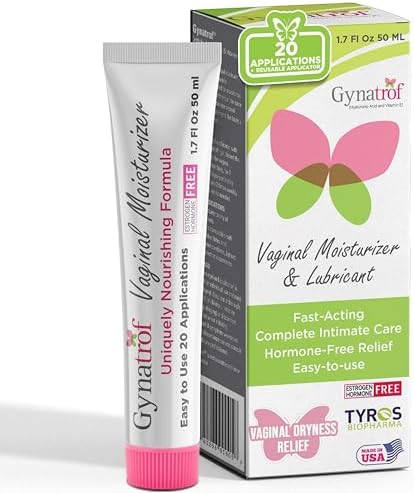
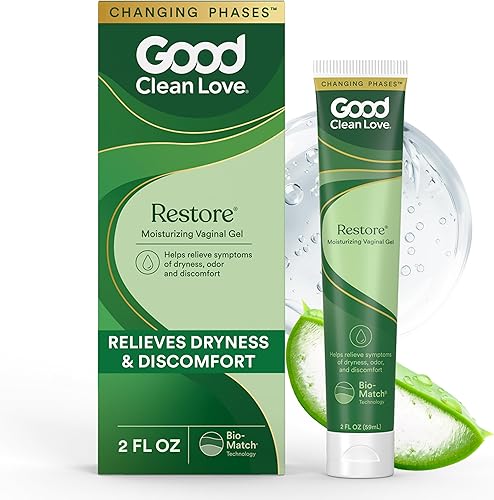
- 1Use a vaginal moisturizer regularly — products containing hyaluronic acid provide deep hydration without hormones and can be used several times per week as part of your self-care routine.
- 2Apply a water-based, pH-balanced lubricant before intimacy — choose formulas free from glycerin and parabens to minimize the risk of irritation on sensitive tissue.
- 3Talk to your doctor about low-dose vaginal estrogen — available as creams, rings, or tablets, these deliver estrogen locally with minimal systemic absorption and are considered safe for most women.
- 4Stay sexually active — regular intimacy or self-stimulation promotes blood flow to vaginal tissue, which supports natural moisture production.
- 5Avoid irritants — fragrance-free products, cotton underwear, and gentle cleansing routines protect already-vulnerable tissue.
- 6Consider pelvic floor physical therapy — a pelvic floor therapist can help address tension and discomfort that often accompanies hormonal changes.
You Do Not Have to Wait Until Menopause
Many women assume they should wait until they have officially reached menopause before seeking treatment for vaginal dryness. This is a misconception. Addressing dryness early during perimenopause can help maintain tissue health and prevent the progression of vaginal atrophy. The sooner you start using moisturizers, lubricants, or prescribed treatments, the easier it is to preserve comfort and function. There is no benefit to waiting.
Key Takeaway
Perimenopause can begin years before menopause, and vaginal dryness is often one of the first symptoms. Fluctuating estrogen levels cause changes to vaginal tissue that affect moisture, elasticity, and comfort. You do not need to wait for menopause to take action. Vaginal moisturizers, quality lubricants, and conversations with your healthcare provider can make a meaningful difference right now.
Medical Disclaimer
The information provided in this article is for educational and informational purposes only and is not intended as medical advice. This content does not replace professional medical consultation, diagnosis, or treatment. Always seek the advice of your physician, obstetrician, midwife, or other qualified healthcare provider with any questions you may have regarding a medical condition, pregnancy, or treatment. Never disregard professional medical advice or delay in seeking it because of something you have read on this website. If you think you may have a medical emergency, call your doctor or 911 immediately. AdultLube.com does not recommend or endorse any specific tests, physicians, products, procedures, opinions, or other information that may be mentioned in this article. Reliance on any information provided by this article is solely at your own risk.
Legal Disclaimer
This article may contain affiliate links to products on Amazon.com. As an Amazon Associate, AdultLube.com earns from qualifying purchases made through these links at no additional cost to you. The inclusion of any product recommendations does not constitute a medical endorsement. Individual results and experiences may vary. The statements made in this article have not been evaluated by the Food and Drug Administration (FDA). Products mentioned are not intended to diagnose, treat, cure, or prevent any disease or medical condition. All product claims and recommendations are based on publicly available research, manufacturer information, and user reviews. AdultLube.com assumes no liability for actions taken based on the information in this article. Laws and medical guidelines may vary by jurisdiction. Consult with a licensed healthcare professional in your area for personalized advice.