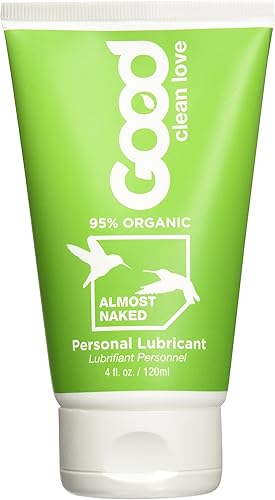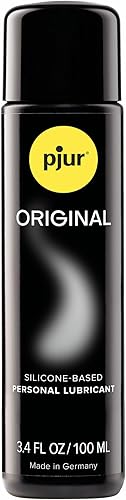
If you have ever started a new birth control method and noticed that intimacy feels different — drier, more sensitive, or just not quite right — you are not imagining things. Hormonal contraceptives work by altering your body's hormonal landscape, and those alterations can have direct effects on vaginal moisture, tissue sensitivity, and how lubricants interact with your body. This is a well-documented side effect that is rarely discussed during contraceptive counseling.
How Hormonal Birth Control Affects Moisture
Most hormonal contraceptives work by suppressing ovulation and altering the hormonal cycle. Combined oral contraceptives, patches, and vaginal rings contain both synthetic estrogen and progestin. Progestin-only methods — including the mini-pill, hormonal IUDs, the implant, and the injectable — rely solely on progestin. Both approaches can affect vaginal lubrication, but they do so through different mechanisms. Combined methods may reduce natural lubrication by maintaining steady, lower levels of estrogen rather than the natural peaks that trigger increased moisture during the menstrual cycle. Progestin-only methods can have an even more pronounced drying effect because progestin directly thins the vaginal lining and reduces secretions.
Which Methods Are Most Likely to Cause Dryness
Research suggests that progestin-dominant methods tend to cause the most noticeable changes in vaginal moisture. The injectable contraceptive (Depo-Provera) is among the most commonly reported culprits, as it suppresses estrogen more aggressively than other methods. Hormonal IUDs like Mirena release progestin locally, and while they affect systemic hormone levels less than injections, some users do report changes in vaginal moisture. The implant similarly delivers a steady dose of progestin that can influence lubrication. Combined pills with lower estrogen doses (20 micrograms versus 30 to 35 micrograms) may also contribute to dryness in some women.

Changes in Sensitivity and Tissue Response
Beyond simple dryness, hormonal contraceptives can change how vaginal tissue responds to touch and friction. Some women report that tissue feels thinner or more sensitive, that they experience a mild burning with products they previously tolerated, or that they need a different type or amount of lubricant than before. This is because hormonal changes can alter the thickness of the vaginal epithelium, the blood flow to genital tissue, and the composition of vaginal secretions. A lubricant that felt fine before starting birth control may now cause irritation — not because the product changed, but because your tissue did.
- 1Opt for water-based lubricants that are free from glycerin, fragrances, and parabens — these minimize the risk of irritation on hormonally-altered tissue.
- 2Consider hypoallergenic or medical-grade formulas if you have noticed increased sensitivity since starting birth control.
- 3If you use latex condoms alongside hormonal birth control, always choose a water-based or silicone-based lubricant — oil-based products degrade latex.
- 4Try a pH-balanced formula between 3.8 and 4.5 to support vaginal health, especially if your birth control method affects vaginal flora.
- 5Apply lubricant generously — if your natural moisture production is suppressed, there is no reason to use less than you need.
- 6If switching brands does not help, discuss the issue with your prescriber — a different formulation or delivery method may resolve the dryness.
Talking to Your Provider
Many women hesitate to bring up lubricant needs or vaginal dryness during contraceptive visits, but this is exactly the kind of information that helps your provider find the best method for your body. If dryness is significantly affecting your quality of life or intimate satisfaction, your provider may suggest switching to a method with a different hormonal profile, adjusting the dose, or adding a vaginal moisturizer to your routine. No one should have to choose between effective contraception and comfortable intimacy.
Non-Hormonal Alternatives
If hormonal side effects are a persistent issue, non-hormonal contraceptive options like the copper IUD do not affect estrogen or progesterone levels and therefore do not cause hormonally-driven dryness. Barrier methods like condoms and diaphragms also leave your hormones untouched. These options may be worth discussing with your provider if vaginal dryness is a dealbreaker on hormonal methods.
Key Takeaway
Hormonal birth control can reduce natural vaginal moisture and alter tissue sensitivity, changing how lubricants feel and perform. Progestin-dominant methods tend to have the most significant effects. Choosing a gentle, pH-balanced, irritant-free lubricant can help, and if dryness persists, your healthcare provider can explore alternative contraceptive options.
Medical Disclaimer
The information provided in this article is for educational and informational purposes only and is not intended as medical advice. This content does not replace professional medical consultation, diagnosis, or treatment. Always seek the advice of your physician, obstetrician, midwife, or other qualified healthcare provider with any questions you may have regarding a medical condition, pregnancy, or treatment. Never disregard professional medical advice or delay in seeking it because of something you have read on this website. If you think you may have a medical emergency, call your doctor or 911 immediately. AdultLube.com does not recommend or endorse any specific tests, physicians, products, procedures, opinions, or other information that may be mentioned in this article. Reliance on any information provided by this article is solely at your own risk.
Legal Disclaimer
This article may contain affiliate links to products on Amazon.com. As an Amazon Associate, AdultLube.com earns from qualifying purchases made through these links at no additional cost to you. The inclusion of any product recommendations does not constitute a medical endorsement. Individual results and experiences may vary. The statements made in this article have not been evaluated by the Food and Drug Administration (FDA). Products mentioned are not intended to diagnose, treat, cure, or prevent any disease or medical condition. All product claims and recommendations are based on publicly available research, manufacturer information, and user reviews. AdultLube.com assumes no liability for actions taken based on the information in this article. Laws and medical guidelines may vary by jurisdiction. Consult with a licensed healthcare professional in your area for personalized advice.