You have probably heard about the benefits of breastfeeding for your baby. What you probably did not hear about in your prenatal class is how dramatically breastfeeding can affect your own body — specifically, how it can cause vaginal dryness that rivals or exceeds what many menopausal women experience. This is one of the least discussed aspects of the postpartum experience, and it leaves many new mothers confused, frustrated, and wondering if something is wrong. Nothing is wrong. Your body is doing exactly what it is designed to do.
The Prolactin-Estrogen Connection
When you breastfeed, your body produces high levels of prolactin, the hormone responsible for milk production. Prolactin has a direct suppressive effect on estrogen. While your body is focused on producing milk, it essentially puts your reproductive system on the back burner by keeping estrogen levels very low — sometimes as low as menopausal levels. Estrogen is the hormone responsible for maintaining vaginal tissue thickness, elasticity, and moisture production. With prolactin actively suppressing it, vaginal dryness is almost inevitable for many breastfeeding women.
How Dry Can It Get?
The degree of dryness varies from woman to woman, but for many breastfeeding mothers, it is significant. Some women describe it as feeling like sandpaper, while others notice more subtle changes like needing more warm-up time before intimacy or feeling a persistent tightness. The dryness is not limited to sexual situations — it can cause daily discomfort, irritation from clothing, and increased susceptibility to urinary tract infections and vaginal infections. Studies have shown that breastfeeding women have vaginal moisture levels comparable to women in early menopause, which helps explain why the dryness can feel so pronounced.
It Is Not About Attraction or Desire
One of the most damaging misconceptions about postpartum vaginal dryness is that it reflects a lack of desire or attraction. This is categorically false. Dryness during breastfeeding is a purely hormonal phenomenon. You can be fully mentally aroused and emotionally connected to your partner, and your body may still not produce adequate lubrication because the hormonal machinery that drives lubrication is being suppressed. Understanding this distinction is important for both partners. It is not personal — it is physiological.
Safe Solutions While Breastfeeding
The good news is that there are safe and effective ways to manage dryness while breastfeeding. External lubricants and moisturizers do not affect breast milk quality or supply, so you can use them without concern for your nursing baby.
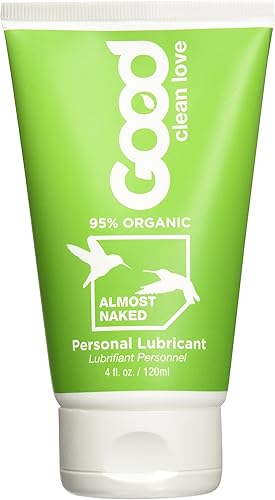
- 1Water-based lubricants with minimal ingredients are the safest first choice — look for organic, fragrance-free formulas that are gentle on sensitive postpartum tissue.
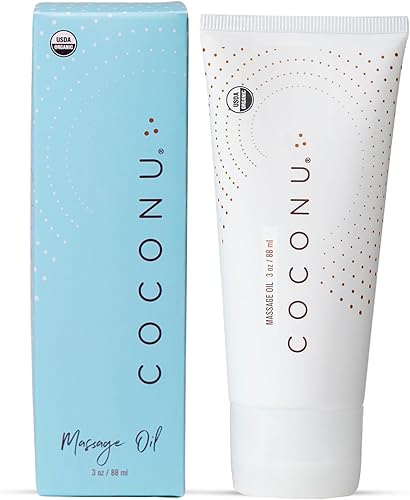
- 2Coconut oil (organic, unrefined) can work well as a natural lubricant, though it is not compatible with latex condoms.
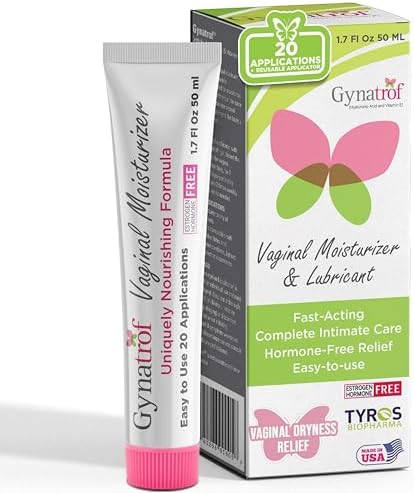
- 3Vaginal moisturizers used two to three times per week can help maintain baseline tissue hydration between intimate encounters.
- 4Hyaluronic acid-based products provide deep moisture without hormones and are considered safe during breastfeeding.
- 5Stay well hydrated — breastfeeding increases your fluid needs significantly, and dehydration worsens vaginal dryness.
- 6If dryness is severe, ask your provider about low-dose vaginal estrogen — many formulations have minimal systemic absorption and may be considered safe during nursing.
When Will It Resolve?
For most women, vaginal moisture begins to return as breastfeeding frequency decreases. As you introduce solid foods and your baby nurses less often, prolactin levels gradually drop and estrogen begins to recover. Many women notice improvement when nursing drops to just a few sessions per day. After weaning completely, estrogen levels typically normalize within a few weeks to a couple of months, and vaginal moisture follows. If dryness persists more than three months after fully weaning, consult your healthcare provider for evaluation.
Key Takeaway
Breastfeeding suppresses estrogen through elevated prolactin levels, causing vaginal dryness that can be as significant as menopausal dryness. This is a normal, temporary hormonal response — not a reflection of desire or attraction. Water-based lubricants, vaginal moisturizers, and good hydration are safe, effective tools to maintain comfort throughout your breastfeeding journey.
Medical Disclaimer
The information provided in this article is for educational and informational purposes only and is not intended as medical advice. This content does not replace professional medical consultation, diagnosis, or treatment. Always seek the advice of your physician, obstetrician, midwife, or other qualified healthcare provider with any questions you may have regarding a medical condition, pregnancy, or treatment. Never disregard professional medical advice or delay in seeking it because of something you have read on this website. If you think you may have a medical emergency, call your doctor or 911 immediately. AdultLube.com does not recommend or endorse any specific tests, physicians, products, procedures, opinions, or other information that may be mentioned in this article. Reliance on any information provided by this article is solely at your own risk.
Legal Disclaimer
This article may contain affiliate links to products on Amazon.com. As an Amazon Associate, AdultLube.com earns from qualifying purchases made through these links at no additional cost to you. The inclusion of any product recommendations does not constitute a medical endorsement. Individual results and experiences may vary. The statements made in this article have not been evaluated by the Food and Drug Administration (FDA). Products mentioned are not intended to diagnose, treat, cure, or prevent any disease or medical condition. All product claims and recommendations are based on publicly available research, manufacturer information, and user reviews. AdultLube.com assumes no liability for actions taken based on the information in this article. Laws and medical guidelines may vary by jurisdiction. Consult with a licensed healthcare professional in your area for personalized advice.