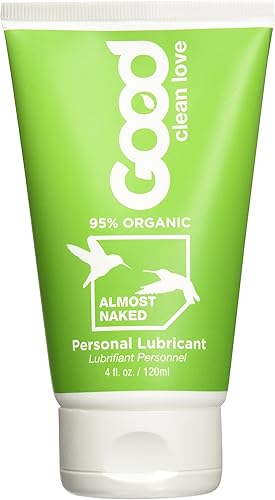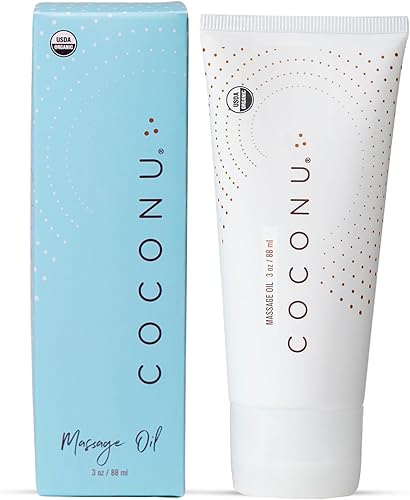
If you are someone who deals with recurrent yeast infections, you have probably scrutinized your diet, your underwear choices, your laundry detergent, and your bathing habits looking for triggers. But have you looked at your lubricant? The relationship between personal lubricants and vaginal yeast infections is a topic that deserves more attention than it typically receives. While lubricants are not the sole cause of yeast infections, certain ingredients and formulation characteristics can create conditions that make Candida overgrowth more likely.
Understanding Vaginal Yeast Infections
Vaginal yeast infections, or vulvovaginal candidiasis, occur when Candida organisms, most commonly Candida albicans, overgrow in the vaginal environment. Candida is a normal part of the vaginal microbiome. Small amounts coexist peacefully with Lactobacillus bacteria in a healthy vaginal ecosystem. Problems arise when the balance shifts in favor of Candida, allowing it to proliferate and cause symptoms including itching, burning, thick white discharge, redness, and swelling. Approximately 75 percent of women will experience at least one yeast infection during their lifetime, and roughly 5 to 8 percent experience recurrent vulvovaginal candidiasis, defined as four or more episodes per year. Common triggers include antibiotic use, elevated blood sugar, hormonal changes, immune suppression, and factors that disrupt the vaginal microbiome, which is where lubricants enter the picture.
How Lubricants Can Contribute to Yeast Overgrowth
Lubricants can influence the vaginal environment through several mechanisms. The most direct pathway involves ingredients that serve as a nutrient source for Candida. Glycerin and other sugar alcohols can be metabolized by yeast organisms, potentially promoting their growth in the presence of other favorable conditions. A second pathway involves pH disruption. Lubricants with a pH above the healthy vaginal range of 3.8 to 4.5 can temporarily reduce the acidity that keeps Candida in check. A third mechanism involves osmolality. Hyperosmolar lubricants that damage epithelial cells weaken the physical barrier that helps contain Candida on the tissue surface. When the mucosal lining is compromised, Candida organisms can adhere more effectively and transition from their harmless yeast form into the invasive hyphal form that causes symptoms.
Ingredients Linked to Yeast-Friendly Conditions
- 1Glycerin (glycerol): A sugar alcohol that laboratory studies have shown can support Candida growth. It is one of the most commonly cited ingredients of concern for yeast-prone individuals.
- 2Glucose and other sugars: Some flavored or novelty lubricants contain sugars that can feed yeast organisms. This includes sucrose, fructose, and sorbitol.
- 3Propylene glycol: While not a sugar, this humectant can cause tissue irritation that compromises the mucosal barrier, potentially creating entry points for Candida adherence.
- 4Petroleum-based ingredients: Mineral oil and petroleum jelly can trap moisture and heat against tissue, creating a warm, moist environment that favors Candida growth. They can also disrupt the vaginal microbiome.
- 5Fragrances and dyes: These additives can cause contact irritation that stresses vaginal tissue and disrupts the microbial balance, indirectly creating conditions favorable for yeast overgrowth.
- 6Nonoxynol-9: This spermicide has been shown to damage vaginal epithelium and reduce Lactobacillus populations, both of which favor Candida proliferation.
What the Research Shows
Direct research on the causal relationship between lubricant use and yeast infections is limited but suggestive. A study published in the journal Sexually Transmitted Diseases tested commercial lubricants against Candida albicans and found that products containing glycerin supported significantly greater Candida growth than glycerin-free alternatives. Research published in Obstetrics and Gynecology found that women who used lubricants with higher osmolality reported more frequent episodes of vaginal irritation and discharge, symptoms that overlap with early yeast infection presentation. The World Health Organization's 2012 advisory on personal lubricants recommended avoiding products with glycerin and high osmolality for vaginal use, citing concerns about epithelial damage and microbiome disruption that could facilitate opportunistic infections including candidiasis.
Choosing a Yeast-Friendly Lubricant
If you experience recurrent yeast infections, selecting the right lubricant becomes an important part of your prevention strategy. Look for water-based formulas that are explicitly glycerin-free and have a low osmolality, ideally below 380 mOsm per kilogram. The pH should match the vaginal range of 3.8 to 4.5. Avoid products with fragrances, dyes, flavoring agents, or warming and cooling additives, all of which introduce unnecessary chemical variables to a sensitive environment. Silicone-based lubricants are another strong option for yeast-prone individuals. Pure silicone formulas typically contain only dimethicone, dimethiconol, and cyclomethicone. They do not interact with vaginal chemistry, do not alter pH, and provide no substrate for microbial growth. The trade-off is that silicone lubricants are not compatible with silicone toys and require soap and water for removal.

Beyond Lubricant: A Holistic Approach
Managing recurrent yeast infections typically requires addressing multiple factors simultaneously. In addition to choosing an appropriate lubricant, consider wearing breathable cotton underwear, avoiding tight synthetic clothing that traps moisture, changing out of wet swimsuits and workout clothes promptly, and maintaining stable blood sugar levels if you have diabetes or prediabetes. Probiotic supplements containing Lactobacillus rhamnosus and Lactobacillus reuteri have shown some promise in supporting vaginal flora balance, though more research is needed. Most importantly, work with your healthcare provider to identify and address all contributing factors. If you suspect your lubricant is playing a role, bring the product to your appointment so your provider can review the ingredient list in the context of your health history.
Key Takeaway
Lubricants do not directly cause yeast infections, but certain ingredients, particularly glycerin, sugars, and compounds that raise osmolality or alter pH, can create vaginal conditions that favor Candida overgrowth. If you experience recurrent yeast infections, switching to a glycerin-free, fragrance-free, low-osmolality lubricant with a vaginal-matched pH is a well-supported preventive step. Consult your healthcare provider for a comprehensive approach.
Medical Disclaimer
The information provided in this article is for educational and informational purposes only and is not intended as medical advice. This content does not replace professional medical consultation, diagnosis, or treatment. Always seek the advice of your physician, obstetrician, midwife, or other qualified healthcare provider with any questions you may have regarding a medical condition, pregnancy, or treatment. Never disregard professional medical advice or delay in seeking it because of something you have read on this website. If you think you may have a medical emergency, call your doctor or 911 immediately. AdultLube.com does not recommend or endorse any specific tests, physicians, products, procedures, opinions, or other information that may be mentioned in this article. Reliance on any information provided by this article is solely at your own risk.
Legal Disclaimer
This article may contain affiliate links to products on Amazon.com. As an Amazon Associate, AdultLube.com earns from qualifying purchases made through these links at no additional cost to you. The inclusion of any product recommendations does not constitute a medical endorsement. Individual results and experiences may vary. The statements made in this article have not been evaluated by the Food and Drug Administration (FDA). Products mentioned are not intended to diagnose, treat, cure, or prevent any disease or medical condition. All product claims and recommendations are based on publicly available research, manufacturer information, and user reviews. AdultLube.com assumes no liability for actions taken based on the information in this article. Laws and medical guidelines may vary by jurisdiction. Consult with a licensed healthcare professional in your area for personalized advice.