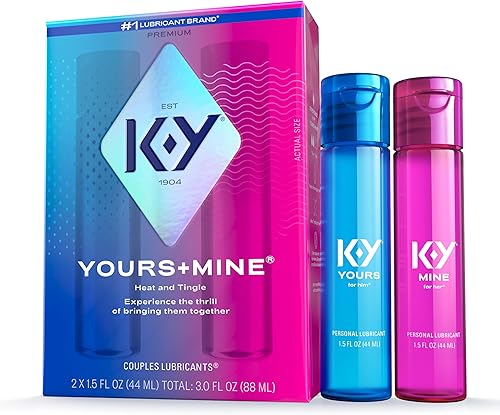

Tingling, warming, and cooling lubricants occupy a popular niche in the personal care market. They promise heightened sensation, increased arousal, and an exciting new dimension to intimacy. For some people, they deliver on those promises beautifully. For others, the experience ranges from mildly uncomfortable to genuinely painful. The difference comes down to how specific ingredients interact with your individual tissue chemistry, and understanding this can save you from an unpleasant surprise.
How Tingling Lubricants Create Sensation
Tingling and warming lubricants work by triggering specific nerve receptors in the skin and mucosal tissue. They do not actually change the temperature of the tissue. Instead, they activate the same neurological pathways that temperature would. Warming lubricants typically use compounds like capsaicin derivatives or synthetic warming agents that activate TRPV1 receptors, the same receptors that respond to actual heat and to capsaicin in chili peppers. Cooling lubricants use menthol, peppermint oil, or synthetic cooling agents that activate TRPM8 receptors, the cold-sensing receptors in nerve endings. Tingling formulas may combine both approaches or use L-arginine, an amino acid that promotes blood flow to the area by stimulating nitric oxide production, creating a flushed, buzzing sensation.
Why These Ingredients Can Be Problematic
The challenge with sensation-producing ingredients is that mucosal tissue responds to them far more intensely than regular skin. The thin, highly absorbent tissue of the vulva and vaginal canal has a much higher density of nerve endings and a much lower tolerance threshold for chemical irritants than the skin on your arms or torso. An ingredient concentration that produces a pleasant tingle on your wrist might produce an intense burn on vaginal or vulvar tissue. Additionally, the line between a pleasant sensation and an uncomfortable one is highly individual. Nerve receptor density, tissue thickness, hormonal status, and baseline sensitivity all vary significantly from person to person. What feels enjoyably warm to one individual may feel painfully hot to another, using exactly the same product at the same dose.
Who Should Be Cautious
- 1People with vulvodynia or vestibulodynia, chronic pain conditions where nerve endings in the vulvar tissue are already hypersensitive and respond disproportionately to chemical stimuli.
- 2Anyone with eczema, psoriasis, or dermatitis affecting the genital area, as compromised skin barrier function increases absorption of irritating compounds.
- 3People currently experiencing or recovering from a vaginal infection, where tissue is already inflamed and more susceptible to chemical irritation.
- 4Postmenopausal individuals, whose vaginal tissue may be thinner and drier due to reduced estrogen, making it more vulnerable to irritation from active ingredients.
- 5Anyone with a known sensitivity to menthol, capsaicin, L-arginine, or peppermint, which are common triggers for contact dermatitis in predisposed individuals.
- 6People who have experienced burning or stinging from standard lubricants, as tingling formulas add active irritants on top of whatever baseline sensitivity already exists.
The L-Arginine Question
L-arginine deserves special attention because it is frequently marketed as a natural arousal enhancer in tingling lubricants. This amino acid works by promoting nitric oxide production, which dilates blood vessels and increases blood flow to the applied area. While this mechanism is well-established in cardiovascular medicine, applying L-arginine directly to mucosal tissue can produce intense, sometimes uncomfortable vasodilation. The increased blood flow can amplify other sensations, both pleasant and unpleasant, meaning that if any other ingredient in the formula causes even mild irritation, L-arginine will effectively turn up the volume on that discomfort. People with herpes simplex virus should be particularly cautious, as some research suggests that L-arginine supplementation may promote viral replication, though topical application is different from oral supplementation and the clinical significance for topical use is debated.
Testing Before Full Use
If you are curious about tingling lubricants but unsure how you will react, there is a sensible approach to minimize risk. First, apply a small amount to the inside of your wrist or inner forearm and wait 15 to 20 minutes. If there is no adverse reaction on that thicker skin, apply a very small amount to the outer labia, avoiding internal use initially. Wait again, paying attention to how the sensation develops. Tingling and warming effects typically build over the first few minutes and then plateau. If the sensation is pleasant or neutral on external tissue, you may choose to proceed with more liberal application. If it becomes uncomfortable at any point, wash the area immediately with cool water and mild, fragrance-free soap. Avoid using warm or hot water, which can intensify warming sensations.
What to Do If a Tingling Lube Causes a Reaction
If you have already experienced a negative reaction to a tingling lubricant, the first step is to gently wash the area with cool water. Avoid scrubbing, which can further irritate inflamed tissue. A cool, damp washcloth applied to the area can provide relief. Over-the-counter hydrocortisone cream at one percent strength may reduce inflammation, but check with your pharmacist or healthcare provider before applying it to genital tissue. Coconut oil, while not suitable as a lubricant with latex condoms, can provide a soothing barrier while irritated tissue recovers. If symptoms persist beyond a few hours, are severe, or include significant swelling, seek medical attention.
Comfortable Alternatives
If you want to enhance sensation without the risk of chemical irritation, consider approaches that do not involve active topical ingredients. Textured condoms, vibrating devices, temperature play with warm or cool water on external areas, and extended foreplay can all increase arousal and sensation without introducing potentially irritating chemicals to mucosal tissue. If you do want to use a specialty lubricant, look for products from brands that specialize in sensitive formulations and start with the mildest option available.
Key Takeaway
Tingling and warming lubricants work by activating nerve receptors in tissue, and mucosal tissue is far more sensitive to these effects than regular skin. Individual responses vary enormously based on nerve density, hormonal status, and baseline sensitivity. Always patch-test on less sensitive skin first, start with external application, and have cool water ready. If you have any form of chronic vulvar pain or skin condition, these products are best avoided entirely.
Medical Disclaimer
The information provided in this article is for educational and informational purposes only and is not intended as medical advice. This content does not replace professional medical consultation, diagnosis, or treatment. Always seek the advice of your physician, obstetrician, midwife, or other qualified healthcare provider with any questions you may have regarding a medical condition, pregnancy, or treatment. Never disregard professional medical advice or delay in seeking it because of something you have read on this website. If you think you may have a medical emergency, call your doctor or 911 immediately. AdultLube.com does not recommend or endorse any specific tests, physicians, products, procedures, opinions, or other information that may be mentioned in this article. Reliance on any information provided by this article is solely at your own risk.
Legal Disclaimer
This article may contain affiliate links to products on Amazon.com. As an Amazon Associate, AdultLube.com earns from qualifying purchases made through these links at no additional cost to you. The inclusion of any product recommendations does not constitute a medical endorsement. Individual results and experiences may vary. The statements made in this article have not been evaluated by the Food and Drug Administration (FDA). Products mentioned are not intended to diagnose, treat, cure, or prevent any disease or medical condition. All product claims and recommendations are based on publicly available research, manufacturer information, and user reviews. AdultLube.com assumes no liability for actions taken based on the information in this article. Laws and medical guidelines may vary by jurisdiction. Consult with a licensed healthcare professional in your area for personalized advice.