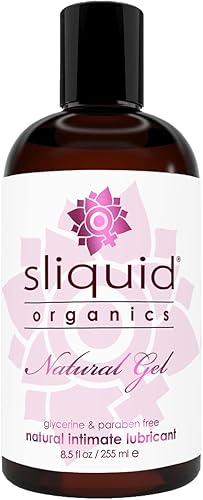

Walk down the personal care aisle and you will see it printed on lubricants, feminine washes, wipes, and moisturizers: Gynecologist-Tested, often accompanied by a reassuring checkmark or a pastel-colored badge. The phrase evokes images of rigorous clinical trials supervised by board-certified specialists. It feels trustworthy. It sounds scientific. And for many consumers, it serves as the deciding factor between one product and another. But what does the label actually mean, legally and practically? The answer may change how you evaluate the products you put on your most sensitive tissue.
What "Gynecologist-Tested" Actually Means
In the United States, the terms gynecologist-tested, dermatologist-tested, and doctor-recommended are not regulated by the Food and Drug Administration. There is no federal standard that defines what testing must be performed, how many doctors must be involved, or what criteria a product must meet to carry one of these labels. In practical terms, gynecologist-tested can mean that a single gynecologist reviewed the ingredient list and offered a favorable opinion. It can mean that a panel of physicians supervised a clinical study involving dozens of participants. It can mean that a gynecologist was paid a consulting fee to lend their name to the product. All of these scenarios, from minimal involvement to extensive oversight, qualify a brand to print the same four words on their packaging.
What It Does Not Guarantee
- 1Clinical trials were conducted. The product may have been reviewed but never actually tested on human subjects in a controlled study.
- 2Safety for all users. Even if testing was conducted, it may have involved a small number of participants who do not represent the full range of skin types, sensitivities, and medical conditions.
- 3Absence of irritants. A product can be gynecologist-tested and still contain glycerin, parabens, propylene glycol, fragrances, or other ingredients known to cause irritation in sensitive individuals.
- 4Ongoing monitoring. The testing, whatever its scope, was likely a one-time event. There is no requirement for the manufacturer to continue monitoring the product or to retest if the formulation changes.
- 5Independence. The gynecologist who tested or reviewed the product may have a financial relationship with the manufacturer, including consulting fees, equity stakes, or ongoing royalties.

The Difference Between Tested, Approved, and Recommended
You may encounter several related but distinct marketing terms. Gynecologist-tested means a gynecologist was involved in some form of evaluation. Gynecologist-approved implies that a gynecologist endorses the product, but this term is equally unregulated and carries no guaranteed standard. Gynecologist-recommended goes a step further in suggesting active endorsement, but again, there is no legal threshold. OB/GYN recommended may mean that the brand surveyed gynecologists and a certain percentage said they would recommend it, or it may mean a single physician agreed to be quoted. The key takeaway is that none of these terms are subject to standardized third-party verification in the way that, say, USDA Organic certification is.
What to Look for Instead
Rather than relying on a marketing phrase, there are more reliable ways to evaluate a lubricant's safety profile. Start with the ingredient list itself. A short, recognizable ingredient list with compounds you can research is far more informative than any label claim. Look for specific, quantifiable claims rather than vague endorsements. A product that states its pH value, publishes its osmolality, or provides clinical study results is offering verifiable information that you can cross-reference with independent health guidelines like those published by the World Health Organization. Third-party certifications from organizations with published standards, such as the Soil Association for organic claims or the FDA's 510(k) clearance for medical devices, carry more weight than unregulated label terms because they involve independent auditing.
Questions to Ask About Any Lubricant
- 1What is the product's pH, and does it fall within the 3.8 to 4.5 range recommended for vaginal use?
- 2What is the product's osmolality, and is it below the WHO-recommended threshold of 1,200 mOsm per kilogram?
- 3Does the product contain glycerin, propylene glycol, parabens, chlorhexidine, or fragrances?
- 4Is the product compatible with your preferred barrier method, whether that is latex condoms, polyisoprene condoms, or other materials?
- 5Does the manufacturer publish any peer-reviewed research or clinical data supporting their formulation claims?
- 6Is the product FDA-cleared as a medical device, which requires demonstrating biocompatibility and safety, versus simply being marketed as a cosmetic?

When a Gynecologist's Input Genuinely Helps
None of this is to say that gynecologist involvement in product development is meaningless. Products that have been formulated in collaboration with reproductive health specialists from the ground up tend to reflect a deeper understanding of vaginal physiology. The distinction is between a gynecologist who participated in formulation decisions, ingredient selection, and clinical validation versus one who was handed a finished product and asked for a quote. The former represents genuine medical input. The latter is marketing. If you see a specific doctor's name associated with a product, research their credentials and look for published work that demonstrates expertise in vulvovaginal health. Some physicians have dedicated their careers to this field and bring genuine rigor to the products they help develop.
The Regulatory Landscape
In the United States, personal lubricants can be classified as either cosmetics or medical devices depending on their intended use claims. Lubricants marketed for sexual activity and classified as FDA Class II medical devices must meet specific biocompatibility and manufacturing standards, including ISO 10993 testing for cytotoxicity, sensitization, and irritation. This classification provides a more meaningful safety baseline than any marketing label. In the European Union, personal lubricants are regulated as medical devices under the EU Medical Device Regulation, which imposes more stringent requirements for clinical evidence and post-market surveillance. Consumers in regions with stricter regulatory frameworks generally benefit from higher baseline product safety standards.
Key Takeaway
The term gynecologist-tested is an unregulated marketing phrase that does not guarantee clinical testing, ingredient safety, or product quality. Instead of relying on this label, examine the ingredient list, look for published pH and osmolality values, check for FDA medical device classification, and consult your own healthcare provider for personalized recommendations.
Medical Disclaimer
The information provided in this article is for educational and informational purposes only and is not intended as medical advice. This content does not replace professional medical consultation, diagnosis, or treatment. Always seek the advice of your physician, obstetrician, midwife, or other qualified healthcare provider with any questions you may have regarding a medical condition, pregnancy, or treatment. Never disregard professional medical advice or delay in seeking it because of something you have read on this website. If you think you may have a medical emergency, call your doctor or 911 immediately. AdultLube.com does not recommend or endorse any specific tests, physicians, products, procedures, opinions, or other information that may be mentioned in this article. Reliance on any information provided by this article is solely at your own risk.
Legal Disclaimer
This article may contain affiliate links to products on Amazon.com. As an Amazon Associate, AdultLube.com earns from qualifying purchases made through these links at no additional cost to you. The inclusion of any product recommendations does not constitute a medical endorsement. Individual results and experiences may vary. The statements made in this article have not been evaluated by the Food and Drug Administration (FDA). Products mentioned are not intended to diagnose, treat, cure, or prevent any disease or medical condition. All product claims and recommendations are based on publicly available research, manufacturer information, and user reviews. AdultLube.com assumes no liability for actions taken based on the information in this article. Laws and medical guidelines may vary by jurisdiction. Consult with a licensed healthcare professional in your area for personalized advice.