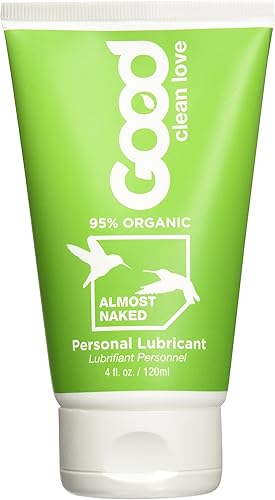
If you have ever experienced burning, itching, dryness, or irritation from a personal lubricant, the cause is almost certainly in the ingredient list. Mucosal tissue in the vaginal and vulvar area is extraordinarily absorbent and reactive, and compounds that are perfectly safe on other parts of the body can cause significant discomfort when applied to these surfaces. This guide walks through the most common irritant ingredients found in personal lubricants, explains why manufacturers include them, and identifies what to look for in gentler alternatives.
Glycerin (Glycerol)
Glycerin is a sugar alcohol used as a humectant and texture enhancer in a large percentage of water-based lubricants. It creates the slippery, wet feeling that consumers associate with effective lubrication. The problems with glycerin are twofold. First, as a sugar alcohol, it can serve as a metabolic substrate for Candida albicans, the organism responsible for most vaginal yeast infections. Laboratory studies have demonstrated increased Candida growth in the presence of glycerin. Second, glycerin is a major contributor to high osmolality in lubricant formulas. Products with glycerin as a primary ingredient often have osmolality values many times higher than vaginal fluid, leading to cellular dehydration and epithelial damage through osmosis. If you are prone to yeast infections or experience a drying effect after using water-based lubricants, glycerin is the first ingredient to eliminate.
Propylene Glycol
Propylene glycol is a synthetic compound used as a humectant, solvent, and texture modifier. It performs many of the same functions as glycerin and shares similar concerns. The World Health Organization has identified propylene glycol as a potential mucosal irritant, particularly at concentrations above two percent. Like glycerin, it contributes significantly to high osmolality. Some individuals also develop contact sensitivity to propylene glycol over time, meaning that a product that was initially tolerable may begin causing reactions after repeated exposure. This delayed sensitization can be confusing because the product seems to stop working when in reality your immune system has developed a response to one of its components. On ingredient lists, propylene glycol may also appear as 1,2-propanediol.

Parabens
Parabens are a class of preservatives used to prevent bacterial and fungal growth in personal care products. Common parabens include methylparaben, ethylparaben, propylparaben, and butylparaben. They are effective preservatives at low concentrations, which is why they remain widely used despite growing consumer concern. The primary issue with parabens in intimate products is contact sensitivity. Some individuals develop allergic contact dermatitis to parabens, presenting as redness, swelling, itching, and burning at the application site. There has also been broader concern about parabens as endocrine disruptors, though the clinical significance of this at the concentrations found in personal care products remains debated in the scientific community. For people with documented paraben sensitivity or those who prefer a precautionary approach, many effective paraben-free preservative systems are available.
Fragrances and Flavoring Agents
Synthetic fragrances are among the most common causes of contact dermatitis across all personal care product categories, and intimate products are no exception. The term fragrance on an ingredient list can represent dozens of individual chemical compounds, since fragrance formulations are considered proprietary trade secrets and manufacturers are not required to disclose their components. This lack of transparency makes it impossible to identify which specific fragrance chemical is causing a reaction. Flavoring agents in products marketed for oral use present similar concerns. Sweeteners like sucralose, sugar, or sugar alcohols added for taste can also promote yeast growth when they contact vaginal tissue. The simplest recommendation for irritation-prone individuals is to avoid all scented and flavored intimate products entirely.
Chlorhexidine Gluconate
Chlorhexidine is an antiseptic commonly used as a preservative in personal lubricants. It is the same compound used in surgical scrubs and medicated mouthwashes. While effective at preventing microbial contamination of the product, chlorhexidine can disrupt the healthy vaginal microbiome by killing beneficial Lactobacillus bacteria along with harmful organisms. This disruption can raise vaginal pH and create conditions favorable for bacterial vaginosis and yeast infections. Some individuals also develop true allergic reactions to chlorhexidine, ranging from contact dermatitis to, in rare cases, anaphylaxis. Safer preservative alternatives include potassium sorbate, sodium benzoate, and phenoxyethanol, though even these should be present at the lowest effective concentrations.
Nonoxynol-9
Nonoxynol-9 is a spermicide that was once commonly included in lubricants marketed for contraceptive purposes. It works by disrupting the cell membranes of sperm, but it also disrupts the cell membranes of vaginal and rectal epithelial tissue with the same mechanism. The World Health Organization and multiple public health organizations have recommended against routine use of nonoxynol-9, particularly for rectal use, because it damages the mucosal barrier and may increase rather than decrease susceptibility to sexually transmitted infections. Most modern lubricant brands have moved away from nonoxynol-9, but it still appears in some products, particularly older formulations and some condom lubricants.
Other Ingredients Worth Monitoring
- 1Petroleum and mineral oil: These can trap heat and moisture against tissue, promote bacterial growth, degrade latex condoms, and are difficult to fully remove from mucosal surfaces.
- 2Warming and cooling agents (capsaicin, menthol, L-arginine): These activate nerve receptors and can cause intense, uncomfortable sensations on sensitive mucosal tissue.
- 3Polyquaternium compounds: Used as film-forming agents and texture enhancers, these have been associated with epithelial toxicity in some in vitro studies.
- 4Citric acid in high concentrations: While small amounts are used to adjust pH to appropriate levels, excessive citric acid can cause stinging on already-irritated tissue.
- 5Dyes and colorants: These serve no functional purpose in a lubricant and represent an unnecessary exposure for sensitive tissue.
- 6Benzocaine and lidocaine: These numbing agents are included in some desensitizing products. While they reduce sensation, they can cause allergic reactions and mask pain that would otherwise alert you to tissue damage.
What a Gentle Ingredient List Looks Like
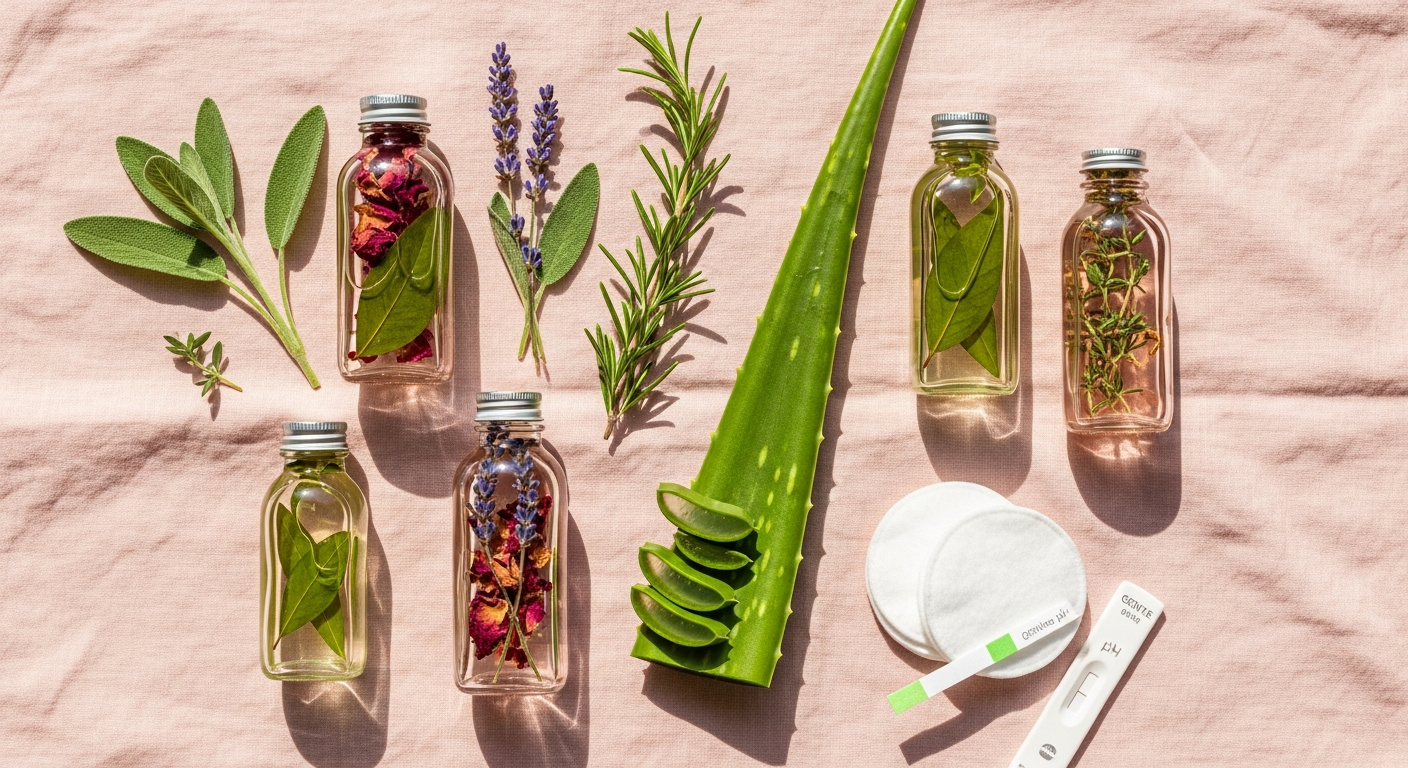
The safest lubricants for sensitive tissue tend to have short, recognizable ingredient lists. A well-formulated water-based option might contain purified water, aloe barbadensis leaf juice, hydroxyethylcellulose as a thickener, a small amount of lactic acid for pH adjustment, potassium sorbate as a preservative, and little else. A silicone-based option might contain only dimethicone and cyclomethicone. The fewer the ingredients, the fewer the variables, and the easier it is to identify any ingredient that causes a problem. When evaluating products, remember that ingredients are listed in descending order of concentration. The first three to five ingredients make up the bulk of the formula and are the most important to evaluate.
Key Takeaway
The most common lubricant irritants are glycerin, propylene glycol, parabens, fragrances, chlorhexidine, and nonoxynol-9. Each of these serves a functional purpose in formulation but can cause burning, itching, dryness, or allergic reactions in sensitive individuals. Choose products with short ingredient lists, avoid the compounds listed above, and introduce new products one at a time with a patch test to identify your personal triggers.
Medical Disclaimer
The information provided in this article is for educational and informational purposes only and is not intended as medical advice. This content does not replace professional medical consultation, diagnosis, or treatment. Always seek the advice of your physician, obstetrician, midwife, or other qualified healthcare provider with any questions you may have regarding a medical condition, pregnancy, or treatment. Never disregard professional medical advice or delay in seeking it because of something you have read on this website. If you think you may have a medical emergency, call your doctor or 911 immediately. AdultLube.com does not recommend or endorse any specific tests, physicians, products, procedures, opinions, or other information that may be mentioned in this article. Reliance on any information provided by this article is solely at your own risk.
Legal Disclaimer
This article may contain affiliate links to products on Amazon.com. As an Amazon Associate, AdultLube.com earns from qualifying purchases made through these links at no additional cost to you. The inclusion of any product recommendations does not constitute a medical endorsement. Individual results and experiences may vary. The statements made in this article have not been evaluated by the Food and Drug Administration (FDA). Products mentioned are not intended to diagnose, treat, cure, or prevent any disease or medical condition. All product claims and recommendations are based on publicly available research, manufacturer information, and user reviews. AdultLube.com assumes no liability for actions taken based on the information in this article. Laws and medical guidelines may vary by jurisdiction. Consult with a licensed healthcare professional in your area for personalized advice.