If you have ever wondered why a lubricant that used to work perfectly no longer feels the same, you are not alone — and you are not imagining things. Your vaginal tissue, moisture production, sensitivity levels, and pH all change throughout your life in response to hormonal shifts, life events, and natural aging. A product that is ideal for one stage of life may be inadequate, irritating, or simply wrong for another. Understanding these changes helps you make informed choices rather than assuming something is wrong with you or with the product.
Your 20s and 30s: Peak Estrogen Years
During your reproductive prime, estrogen levels are generally at their highest and most consistent. Vaginal tissue is thick, elastic, and well-supplied with blood flow. Natural lubrication is typically abundant and responds reliably to arousal. During this stage, most women can use virtually any type of lubricant without issues — water-based, silicone-based, or oil-based products all tend to work well because the tissue is robust enough to tolerate a wide range of formulations. If you need a lubricant at all during this phase, it is often just to supplement what your body already produces or to enhance a particular experience.
Pregnancy and Postpartum: Hormonal Upheaval
Pregnancy dramatically alters your hormonal profile. Estrogen and progesterone surge to levels far above normal, then crash after delivery. This rollercoaster can cause unexpected dryness during pregnancy, particularly in the first trimester, and more predictable dryness postpartum, especially during breastfeeding. During this stage, gentle, minimal-ingredient water-based lubricants become more important. Your tissue may be more sensitive, your pH may be different, and ingredients that never bothered you before might now cause irritation. Products with fewer additives and a pH close to the natural vaginal range become the safer, more comfortable choice.
Perimenopause: The Transition Zone
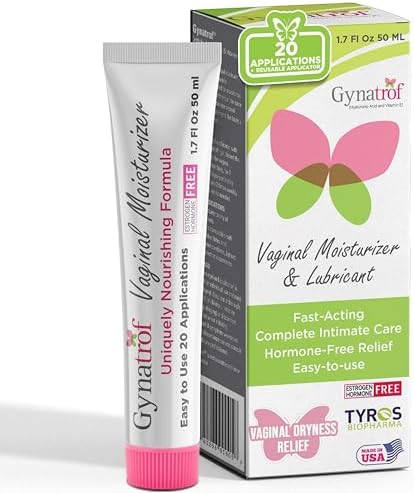
Perimenopause typically begins in the 40s, though it can start earlier. Estrogen levels become unpredictable, rising and falling erratically rather than following the predictable monthly pattern you are used to. Vaginal tissue begins to thin, natural moisture decreases, and sensitivity to irritants increases. This is the stage where many women first realize their old lubricant is no longer working. The thin, watery formula that felt great at 30 may now feel insufficient. You may need a thicker, more cushioning product, or you may benefit from switching to a silicone-based formula that lasts longer and provides a more protective barrier. A vaginal moisturizer used regularly between intimate occasions becomes a genuinely useful addition.
Menopause and Beyond: A New Baseline
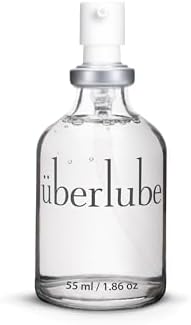
After menopause, estrogen levels settle at a permanently lower level. Vaginal tissue can thin by up to 50 percent, and natural lubrication production decreases significantly. The tissue becomes more fragile and more susceptible to micro-tears, irritation, and infection. At this stage, lubricant choice becomes genuinely consequential. Hyperosmolar lubricants — those with high concentrations of certain ingredients — can actually draw moisture out of already-dry tissue. Glycerin-containing products can trigger yeast overgrowth in a more alkaline environment. Silicone-based lubricants often become preferred because they provide lasting protection without absorbing into tissue. Hyaluronic acid-based products offer therapeutic hydration that helps the tissue itself, not just the surface.
- 120s-30s: Most formulations work well; choose based on preference and activity type.
- 2Pregnancy: Switch to minimal-ingredient, fragrance-free water-based products with safe pH levels.
- 3Postpartum/Breastfeeding: Prioritize gentle formulas; add a vaginal moisturizer if daily dryness is present.
- 4Perimenopause: Consider thicker formulas or silicone-based options; begin using a vaginal moisturizer.
- 5Menopause: Choose irritant-free, pH-balanced products; use a moisturizer-plus-lubricant approach; consider silicone-based options for longer-lasting comfort.
- 6At every stage: Avoid products with fragrances, parabens, and unnecessary additives if you notice any sensitivity.
The Takeaway Is Simple
Your body is not static. The hormonal environment that defines your vaginal health shifts with every major life stage, and your lubricant needs shift with it. There is nothing wrong with needing a different product than the one you started with. In fact, adapting your choices to your body's current needs is one of the smartest things you can do for your intimate health and comfort.
Key Takeaway
The lubricant that works at one life stage may not work at another because your hormones, tissue thickness, moisture production, and sensitivity all change over time. Adapting your product choices to your body's current needs — rather than sticking with what you have always used — ensures comfort and protection at every stage of life.
Medical Disclaimer
The information provided in this article is for educational and informational purposes only and is not intended as medical advice. This content does not replace professional medical consultation, diagnosis, or treatment. Always seek the advice of your physician, obstetrician, midwife, or other qualified healthcare provider with any questions you may have regarding a medical condition, pregnancy, or treatment. Never disregard professional medical advice or delay in seeking it because of something you have read on this website. If you think you may have a medical emergency, call your doctor or 911 immediately. AdultLube.com does not recommend or endorse any specific tests, physicians, products, procedures, opinions, or other information that may be mentioned in this article. Reliance on any information provided by this article is solely at your own risk.
Legal Disclaimer
This article may contain affiliate links to products on Amazon.com. As an Amazon Associate, AdultLube.com earns from qualifying purchases made through these links at no additional cost to you. The inclusion of any product recommendations does not constitute a medical endorsement. Individual results and experiences may vary. The statements made in this article have not been evaluated by the Food and Drug Administration (FDA). Products mentioned are not intended to diagnose, treat, cure, or prevent any disease or medical condition. All product claims and recommendations are based on publicly available research, manufacturer information, and user reviews. AdultLube.com assumes no liability for actions taken based on the information in this article. Laws and medical guidelines may vary by jurisdiction. Consult with a licensed healthcare professional in your area for personalized advice.