Menopause marks the end of menstrual cycles, but it certainly does not mark the end of intimacy. What it does change is what your body needs to stay comfortable during sex. With estrogen levels permanently lower than they were during your reproductive years, vaginal tissue becomes thinner, less elastic, and significantly drier. The lubricant you used in your 30s may not be sufficient anymore. Understanding what has changed and what to look for in a product can make the difference between avoiding intimacy and enjoying it.
What Changes During Menopause
After menopause, estrogen levels drop to roughly 10 to 20 percent of their premenopausal levels and remain there. This sustained reduction causes several structural changes in the vaginal and vulvar tissue. The vaginal walls become thinner, sometimes by as much as 50 percent. Natural secretions decrease substantially. The tissue loses elasticity and becomes more fragile, making it more susceptible to micro-tears during friction. Blood flow to the genital area decreases, which slows arousal response and reduces the tissue's ability to self-lubricate. These changes are collectively known as genitourinary syndrome of menopause, and they affect the majority of postmenopausal women.
Why the Right Lubricant Matters More Now
When vaginal tissue is thinner and more delicate, the lubricant you use becomes critically important. A product that works for someone with healthy, well-estrogenized tissue may cause irritation, burning, or discomfort on menopausal tissue. Ingredients like glycerin, propylene glycol, and fragrances that might go unnoticed on robust tissue can cause stinging or even trigger yeast overgrowth on more vulnerable tissue. pH balance also matters more — menopausal vaginal tissue tends to shift toward a more alkaline pH, making it more susceptible to infections. A lubricant with a pH between 3.8 and 4.5 can help maintain a healthier environment.
What to Look for in a Menopausal Lubricant
The ideal lubricant for menopausal women provides long-lasting moisture, avoids irritating ingredients, and offers enough cushioning to protect fragile tissue from friction. Water-based options are versatile and easy to clean, but they may need reapplication. Silicone-based lubricants last significantly longer and provide a silky barrier that reduces friction without absorbing into tissue. Hyaluronic acid-based products offer deep hydration that goes beyond surface-level slipperiness. Many women find that using a combination approach works best — a vaginal moisturizer for daily tissue health and a separate lubricant for intimacy.
- 1Free from glycerin, parabens, fragrances, and warming or cooling agents — these are more likely to cause irritation on thin tissue.
- 2pH balanced between 3.8 and 4.5 to support the vaginal environment and reduce infection risk.
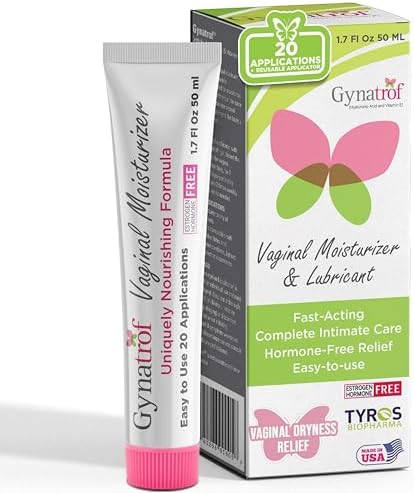
- 3Hyaluronic acid as an ingredient for deep, lasting hydration that supports tissue health over time.
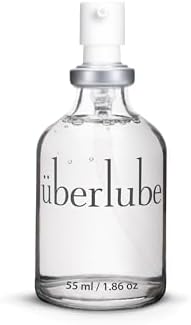
- 4Silicone-based formulas for situations where long-lasting glide is the priority — these do not absorb into tissue and maintain their effect longer.
- 5Thick, gel-like consistency for extra cushioning that protects delicate tissue from friction-related micro-tears.
- 6Osmolality that is close to your body's natural levels — hyperosmolar products can actually draw moisture out of already-dry tissue.
The Moisturizer-Plus-Lubricant Approach
Many gynecologists recommend a two-product strategy for menopausal women. A vaginal moisturizer, such as one containing hyaluronic acid, is used regularly — typically every two to three days — to maintain baseline hydration of the vaginal tissue. This keeps the tissue healthier, more supple, and more resistant to irritation. Then, a separate lubricant is applied before intimacy for immediate comfort and glide. This combination addresses both the ongoing tissue health issue and the in-the-moment need for lubrication. Think of it like the difference between daily face moisturizer and sunscreen — both serve different purposes and work best together.
Intimacy Is Worth Investing In
Many women quietly withdraw from intimacy during menopause because the discomfort seems insurmountable. But with the right products and approach, comfortable, pleasurable intimacy remains entirely possible. If over-the-counter moisturizers and lubricants are not providing enough relief, talk to your healthcare provider about prescription options including low-dose vaginal estrogen or newer treatments like ospemifene. You deserve to make an informed choice about your intimate health, and the solutions available today are more effective and accessible than ever.
Key Takeaway
Menopause permanently changes what your body needs during intimacy, but it does not have to end your intimate life. Choose lubricants that are free from irritants, pH balanced, and formulated for sensitive tissue. Consider a combination approach with a daily vaginal moisturizer and a separate lubricant for intimacy. The right products make a real, measurable difference.
Medical Disclaimer
The information provided in this article is for educational and informational purposes only and is not intended as medical advice. This content does not replace professional medical consultation, diagnosis, or treatment. Always seek the advice of your physician, obstetrician, midwife, or other qualified healthcare provider with any questions you may have regarding a medical condition, pregnancy, or treatment. Never disregard professional medical advice or delay in seeking it because of something you have read on this website. If you think you may have a medical emergency, call your doctor or 911 immediately. AdultLube.com does not recommend or endorse any specific tests, physicians, products, procedures, opinions, or other information that may be mentioned in this article. Reliance on any information provided by this article is solely at your own risk.
Legal Disclaimer
This article may contain affiliate links to products on Amazon.com. As an Amazon Associate, AdultLube.com earns from qualifying purchases made through these links at no additional cost to you. The inclusion of any product recommendations does not constitute a medical endorsement. Individual results and experiences may vary. The statements made in this article have not been evaluated by the Food and Drug Administration (FDA). Products mentioned are not intended to diagnose, treat, cure, or prevent any disease or medical condition. All product claims and recommendations are based on publicly available research, manufacturer information, and user reviews. AdultLube.com assumes no liability for actions taken based on the information in this article. Laws and medical guidelines may vary by jurisdiction. Consult with a licensed healthcare professional in your area for personalized advice.