Choosing a lubricant is already a personal decision, but when you have sensitive vaginal or vulvar tissue, the stakes feel higher. A wrong choice does not just mean a product you do not love. It can mean hours of burning, itching, or irritation that undermines both your comfort and your confidence. The two most common lubricant base types, silicone and water, each have distinct advantages and limitations for sensitive tissue. Understanding the differences at a chemical and physiological level can help you make a more informed decision.
How Water-Based Lubricants Work
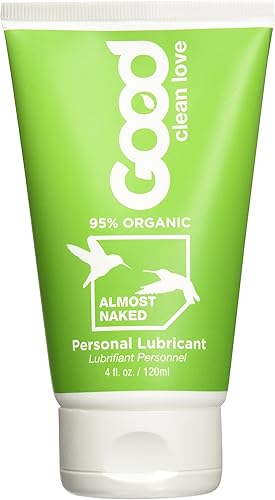
Water-based lubricants use water as their primary solvent, with various additives to create viscosity, slipperiness, and shelf stability. These additives typically include humectants like glycerin or propylene glycol, thickening agents like hydroxyethylcellulose, preservatives to prevent microbial growth, and sometimes pH adjusters like citric acid or lactic acid. The water base means these products are absorbed into mucosal tissue over time, which is why they eventually dry out and may need reapplication. This absorption also means that every ingredient in the formula comes into direct contact with the cells lining the vaginal canal and vulvar surface. For people with sensitive tissue, this direct cellular interaction is both the strength and the weakness of water-based formulas.
How Silicone-Based Lubricants Work
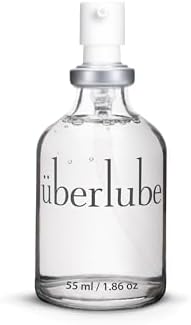
Silicone-based lubricants use medical-grade silicone polymers, most commonly dimethicone, dimethiconol, and cyclomethicone, as their base. These polymers form a thin, smooth coating on the tissue surface rather than being absorbed into cells. Silicone molecules are too large to penetrate the mucosal membrane, so they sit on top of the tissue and reduce friction through their inherently slippery properties. Because they are not water-based, they do not evaporate and do not require humectants to maintain their texture. A typical pure silicone lubricant contains two to four ingredients, compared to eight to fifteen or more in a typical water-based formula. This minimal ingredient profile and surface-only contact fundamentally changes the interaction between the product and your tissue.
Comparing Key Factors for Sensitive Tissue
- 1Osmolality: Water-based lubricants have measurable osmolality that can range from near-iso-osmolar to extremely hyperosmolar. Silicone lubricants have no osmolality in the relevant sense because they are not aqueous solutions and do not participate in osmotic exchange with tissue cells.
- 2pH interaction: Water-based lubricants have a specific pH that directly contacts and can alter the vaginal environment. Silicone lubricants are pH-neutral from a practical standpoint because they do not dissolve in or interact with the aqueous environment of the vaginal canal.
- 3Ingredient exposure: Water-based formulas expose tissue to every ingredient in their formula. Silicone formulas expose tissue only to silicone polymers, which are biologically inert and have an excellent safety record in medical devices, implants, and pharmaceuticals.
- 4Duration: Water-based lubricants absorb and dry over time, potentially requiring reapplication. Silicone lubricants last until physically washed off, meaning less friction on tissue over extended use.
- 5Microbiome impact: Water-based lubricants with inappropriate pH or high osmolality can disrupt the vaginal microbiome. Silicone lubricants do not interact with the microbiome and provide no substrate for microbial growth.
- 6Cleanup: Water-based lubricants rinse away easily with water. Silicone lubricants require soap or a gentle cleanser for complete removal, which is an additional step that itself could introduce irritation if harsh soaps are used.
When Water-Based Is the Better Choice
Despite the challenges, water-based lubricants can be the right choice for sensitive tissue when you select the right formula. Water-based products are compatible with all toy materials, including silicone toys, which is important because silicone lubricants can degrade silicone toy surfaces. Water-based options are also the best choice if you are trying to conceive, as some fertility-friendly lubricants are water-based and formulated to be non-toxic to sperm. If you prefer water-based products, the key for sensitive tissue is selecting formulas that are glycerin-free, propylene glycol-free, fragrance-free, and have a documented osmolality below 380 mOsm/kg with a pH between 3.8 and 4.5. Products built on an aloe vera or hyaluronic acid base tend to perform best for sensitive users within the water-based category.
When Silicone Is the Better Choice
For people who have tried multiple water-based formulas and continue to experience irritation, silicone lubricants often provide relief. Their minimal ingredient list eliminates most common irritant variables. Their surface-level interaction with tissue avoids osmotic damage. Their longevity means less friction over time and fewer reapplications. Pure medical-grade silicone formulas are hypoallergenic and have been extensively tested for biocompatibility in medical applications ranging from breast implants to catheter coatings. If your sensitivity seems to be related to specific water-based ingredients rather than friction itself, silicone may be the answer. The primary limitations are incompatibility with silicone toys and the need for soap-based cleanup.
Hybrid Lubricants: A Middle Ground
Hybrid lubricants combine a water base with a small percentage of silicone, attempting to offer the easy cleanup of water-based products with some of the longevity and smoothness of silicone. For sensitive tissue, hybrids can be a reasonable option, but they carry the same caveats as water-based products regarding osmolality, pH, and additional ingredients. If you react to a specific water-based ingredient, a hybrid containing that same ingredient will likely cause the same reaction. Evaluate hybrid lubricants by their full ingredient list rather than assuming the silicone component automatically makes them gentler.
Making Your Decision
The right choice depends on your specific situation. If you know which ingredients trigger your sensitivity, choose whichever base type allows you to avoid those ingredients. If you are still investigating your triggers, starting with a pure silicone formula with only two or three ingredients is a logical first step because it eliminates the most variables at once. If the silicone formula is comfortable, you have established a baseline. From there, you can experiment with carefully selected water-based options if you prefer that format for certain situations. Keep a simple log of products tried and symptoms experienced to build a personal reference guide over time.
Key Takeaway
For sensitive tissue, silicone lubricants offer fewer potential irritants, no osmolality concerns, no pH interaction, and longer lasting comfort. Water-based lubricants work well for sensitive tissue when you choose glycerin-free, propylene glycol-free formulas with low osmolality and appropriate pH. The best approach is to identify your specific triggers and choose the base type that avoids them, starting with the simplest formula available.
Medical Disclaimer
The information provided in this article is for educational and informational purposes only and is not intended as medical advice. This content does not replace professional medical consultation, diagnosis, or treatment. Always seek the advice of your physician, obstetrician, midwife, or other qualified healthcare provider with any questions you may have regarding a medical condition, pregnancy, or treatment. Never disregard professional medical advice or delay in seeking it because of something you have read on this website. If you think you may have a medical emergency, call your doctor or 911 immediately. AdultLube.com does not recommend or endorse any specific tests, physicians, products, procedures, opinions, or other information that may be mentioned in this article. Reliance on any information provided by this article is solely at your own risk.
Legal Disclaimer
This article may contain affiliate links to products on Amazon.com. As an Amazon Associate, AdultLube.com earns from qualifying purchases made through these links at no additional cost to you. The inclusion of any product recommendations does not constitute a medical endorsement. Individual results and experiences may vary. The statements made in this article have not been evaluated by the Food and Drug Administration (FDA). Products mentioned are not intended to diagnose, treat, cure, or prevent any disease or medical condition. All product claims and recommendations are based on publicly available research, manufacturer information, and user reviews. AdultLube.com assumes no liability for actions taken based on the information in this article. Laws and medical guidelines may vary by jurisdiction. Consult with a licensed healthcare professional in your area for personalized advice.