You have probably noticed that stress can dampen your interest in intimacy. But what many people do not realize is that stress does not just affect desire — it directly interferes with your body's physical ability to produce natural lubrication. This is not a psychological failing or a lack of attraction. It is a measurable physiological response driven by your stress hormones, your nervous system, and the way your body prioritizes survival over reproduction when it perceives threat. Understanding this connection can remove a tremendous amount of guilt and frustration from the equation.
The Cortisol Connection
When you experience stress — whether from work pressure, financial worries, sleep deprivation, relationship conflict, or caring for children or aging parents — your adrenal glands release cortisol, the body's primary stress hormone. In acute situations, cortisol is helpful: it sharpens focus, mobilizes energy, and prepares you to respond to a threat. But when stress is chronic, cortisol levels remain elevated, and this has cascading effects on your reproductive hormones. Elevated cortisol suppresses the hypothalamic-pituitary-gonadal axis — the hormonal communication pathway between your brain and your reproductive organs. This suppression can reduce estrogen and testosterone production, both of which are essential for vaginal moisture and arousal response.
Fight-or-Flight vs. Rest-and-Digest
Your autonomic nervous system operates in two primary modes. The sympathetic nervous system manages your fight-or-flight response, while the parasympathetic nervous system governs rest, digestion, and sexual arousal. These two systems are functionally opposed — when one is active, the other is suppressed. Sexual arousal and the physiological process of producing vaginal lubrication require parasympathetic activation. Your body needs to feel safe and relaxed for blood to flow to the genital area, for the vaginal walls to produce transudate (the clear fluid that constitutes most natural lubrication), and for the arousal response to build naturally. When you are stressed, your sympathetic nervous system is dominant, and it actively blocks this process. Your body is diverting resources toward survival, not reproduction.
Chronic Stress and Long-Term Effects
Occasional stress has temporary effects on lubrication that resolve when the stressor passes. But chronic stress — the kind that persists for weeks, months, or years — can create longer-lasting hormonal changes. Sustained cortisol elevation can lead to measurably lower estrogen levels over time, reduced testosterone that affects both desire and physical arousal, disrupted menstrual cycles that further alter hormonal balance, and changes to vaginal tissue health that compound other age-related or life-stage changes. Women who are simultaneously dealing with chronic stress and a hormonal transition like perimenopause or the postpartum period may find the effects compounding, creating dryness that seems disproportionate to what one factor alone would cause.
Practical Strategies That Help
Addressing stress-related lubrication changes requires a two-pronged approach: managing the stress itself and supporting your body with the right products in the meantime.
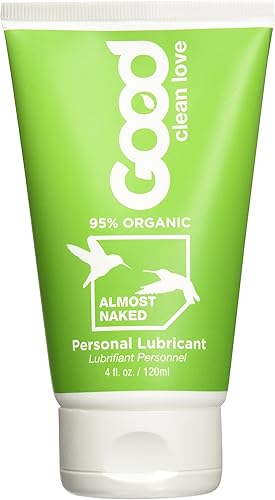
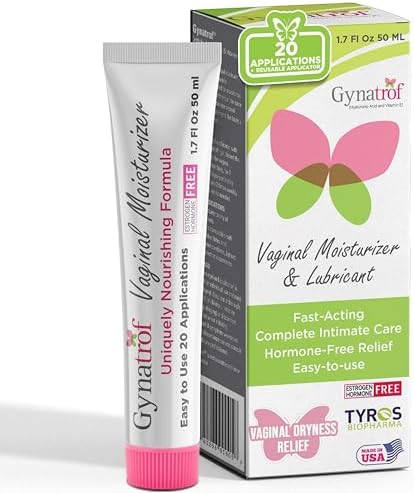
- 1Use a quality lubricant without guilt — a water-based, gentle formula bridges the gap when your body's stress response is interfering with natural moisture production.
- 2Create transition time before intimacy — your body cannot shift from fight-or-flight to arousal mode instantly. Allow 15 to 20 minutes of relaxation, connection, or non-sexual touch to help your nervous system shift gears.
- 3Prioritize sleep — sleep deprivation elevates cortisol and disrupts hormone regulation. Even modest improvements in sleep quality can positively affect lubrication.
- 4Move your body regularly — moderate exercise reduces cortisol levels and supports healthy hormone production. It also promotes blood flow to genital tissue.
- 5Address the sources of stress — therapy, boundary-setting, delegating responsibilities, and other stress-management strategies reduce the hormonal disruption at its source.
- 6Consider mindfulness practices — research shows that mindfulness meditation can reduce cortisol levels and improve sexual arousal response in women experiencing stress-related intimate difficulties.
- 7Communicate with your partner — explaining that dryness is a stress response, not a reflection of desire, removes pressure and allows both partners to approach the situation as a team.

When Stress Is Not the Only Factor
While stress is a common and often overlooked cause of reduced lubrication, it is important to consider whether other factors may be contributing. Certain medications — including antidepressants, antihistamines, and some blood pressure drugs — can cause vaginal dryness as a side effect. Hormonal changes from contraception, perimenopause, or thyroid disorders can compound the effects of stress. If your dryness persists even when stress levels improve, or if it is accompanied by other symptoms, a conversation with your healthcare provider can help identify all the contributing factors.
Key Takeaway
Stress directly interferes with your body's ability to produce natural lubrication by elevating cortisol, suppressing reproductive hormones, and activating the sympathetic nervous system. This is a physiological response, not a personal failing. Using a quality lubricant addresses the immediate need, while stress management, sleep, exercise, and mindfulness work on the underlying cause. If dryness persists despite reduced stress, consult your healthcare provider to explore other contributing factors.
Medical Disclaimer
The information provided in this article is for educational and informational purposes only and is not intended as medical advice. This content does not replace professional medical consultation, diagnosis, or treatment. Always seek the advice of your physician, obstetrician, midwife, or other qualified healthcare provider with any questions you may have regarding a medical condition, pregnancy, or treatment. Never disregard professional medical advice or delay in seeking it because of something you have read on this website. If you think you may have a medical emergency, call your doctor or 911 immediately. AdultLube.com does not recommend or endorse any specific tests, physicians, products, procedures, opinions, or other information that may be mentioned in this article. Reliance on any information provided by this article is solely at your own risk.
Legal Disclaimer
This article may contain affiliate links to products on Amazon.com. As an Amazon Associate, AdultLube.com earns from qualifying purchases made through these links at no additional cost to you. The inclusion of any product recommendations does not constitute a medical endorsement. Individual results and experiences may vary. The statements made in this article have not been evaluated by the Food and Drug Administration (FDA). Products mentioned are not intended to diagnose, treat, cure, or prevent any disease or medical condition. All product claims and recommendations are based on publicly available research, manufacturer information, and user reviews. AdultLube.com assumes no liability for actions taken based on the information in this article. Laws and medical guidelines may vary by jurisdiction. Consult with a licensed healthcare professional in your area for personalized advice.